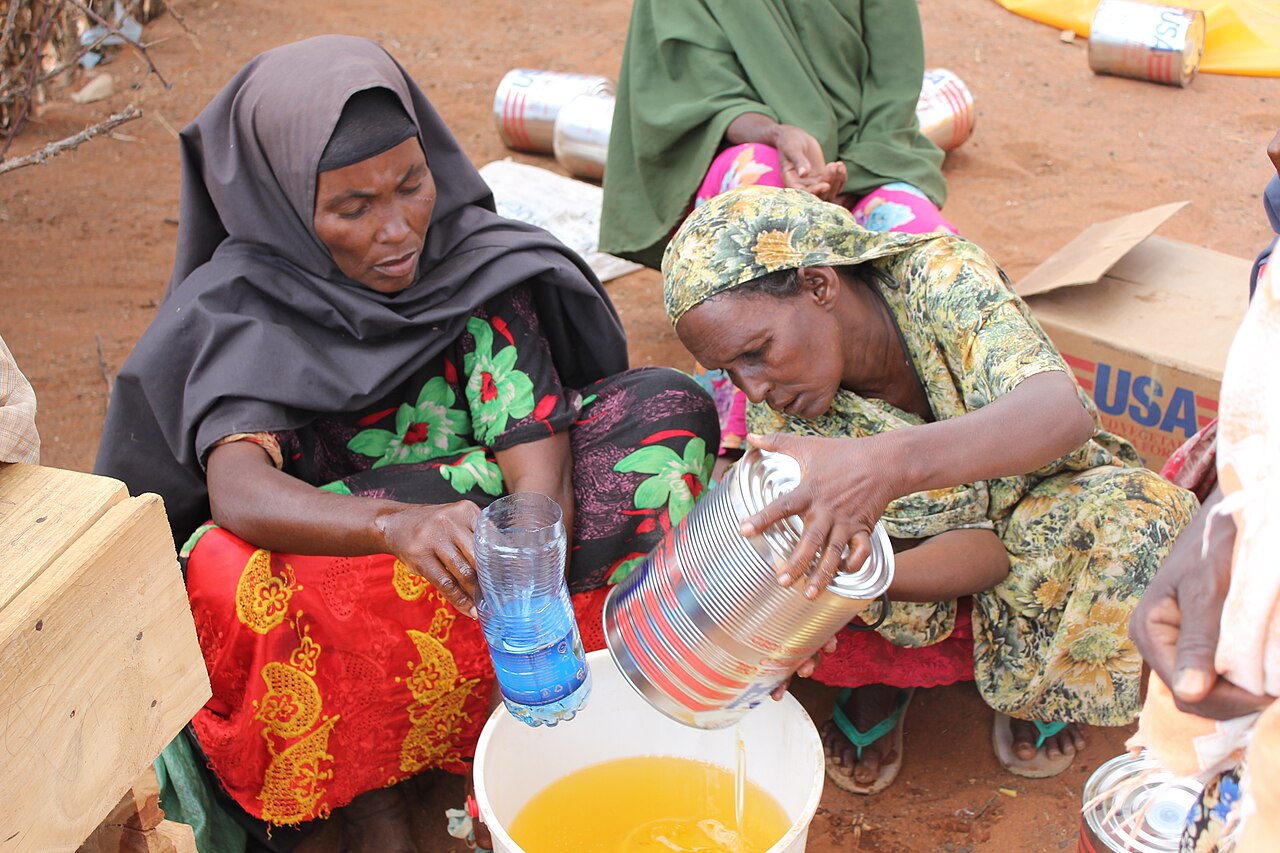
The World Food Programme is ending monthly food assistance to 500,000 people in Gaza and shrinking what everyone else receives, after receiving less than half of its usual funding for Palestine this year. The agency says 1.4 million people — two-thirds of Gaza’s population — remain acutely food insecure and dependent on aid to survive.
Key Takeaways
- Monthly WFP recipients in Gaza fall from 1.6 million to 1.1 million people.
- Families still receiving aid get one food parcel instead of two; daily hot meals drop from 250,000 to 150,000.
- Cash assistance for 75,000 families is cut from 1,250 to 750 shekels a month (about $400 to $240).
- WFP says it needs about $450 million over the next six months to sustain critical operations in Gaza and the West Bank.
- About 200,000 people in Gaza are in emergency-level food conditions, according to WFP.
What Is Being Cut?
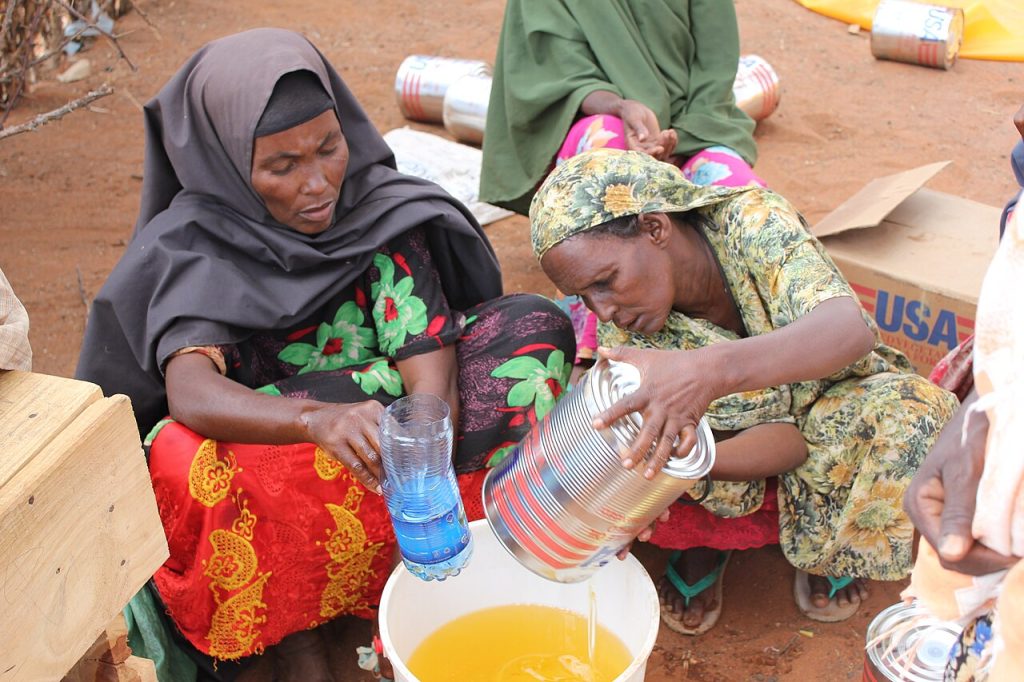
Announcing the reductions on Monday, October 19, WFP said monthly assistance will stop entirely for 500,000 people. The 1.1 million who remain on its rolls will receive reduced amounts: one food parcel per family instead of two, plus a smaller bag of wheat flour, and daily hot-meal provision falls by 100,000 meals, with some hard-to-reach families receiving a hot meal only every other day.
Since the ceasefire, WFP had been reaching between 1.5 and 1.8 million people a month in Gaza. The agency stressed the cuts are driven by money, not access. It received less than half of its usual financing for Palestine in 2026, and says it needs roughly $450 million over the next six months for Gaza and the West Bank — where it already halved recipients in September, from 400,000 to 200,000.
“Not the Time to Look Away”
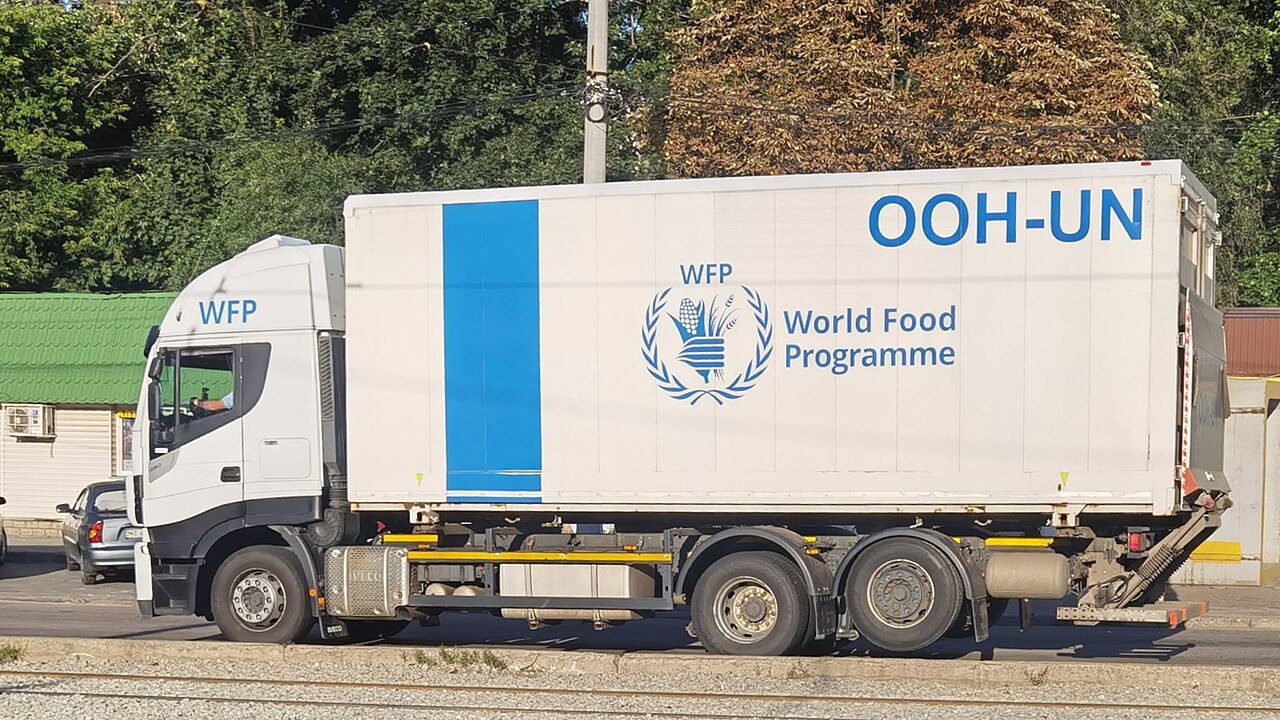
“This has been a lifeline,” WFP’s country director for Palestine, Shaun Hughes, said of the monthly assistance. “But now, rather than being able to sustain and scale up that assistance, we’re actually having to reduce it. That’s not because we don’t have humanitarian access to deliver food; that’s because we don’t have funding.”
Hughes added that conditions remain severe: “People are not safe. Airstrikes continue daily. People remain displaced… The humanitarian conditions are brutal.”
Carl Skau, WFP’s acting executive director, who was visiting Gaza, appealed directly to donors in comments to Reuters: “We tell the world now — this is not the time to look away… These cuts are happening just as we are facing the fourth winter.”
Why It Matters
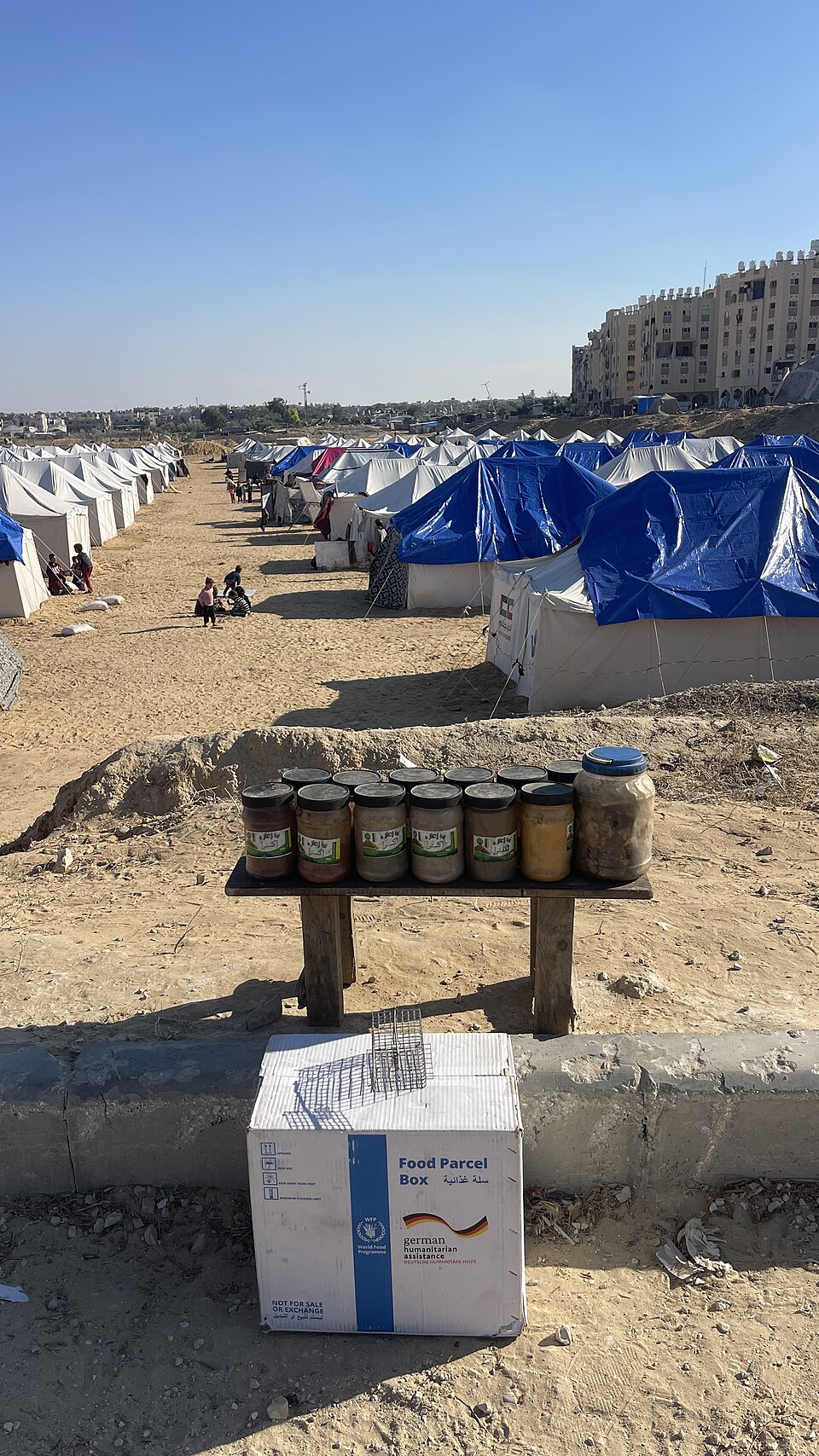
The reductions land on a population where, by WFP’s own assessment, 1.4 million people are acutely food insecure, including some 200,000 in emergency conditions. For the 500,000 people losing monthly assistance altogether, the agency has announced no replacement programme, and no start date for the cuts beyond this week’s announcement has been published — the reductions were presented as a decision forced by the funding gap rather than a phased plan.
Sources
- World Food Programme statements reported by AFP and Reuters, October 19–20, 2026
- AFP via CNA, “WFP to cut aid to 500,000 in Gaza over funding shortfall,” October 20, 2026
- Al Jazeera, WFP Gaza assistance reduction, October 19, 2026
FAQs
How many people are losing WFP aid in Gaza?
500,000 people will no longer receive monthly assistance; total monthly recipients fall from 1.6 million to 1.1 million.
Why is WFP cutting aid?
Funding. WFP says it has received less than half its usual financing for Palestine in 2026 and needs about $450 million for the next six months.
What happens to people still receiving aid?
They receive less: one food parcel instead of two, fewer hot meals, and reduced cash assistance for the 75,000 families on that programme.