The president of the International Criminal Court has told the United Nations that United States sanctions on the court are an attempt to obstruct international justice — and that the attempt will not succeed.
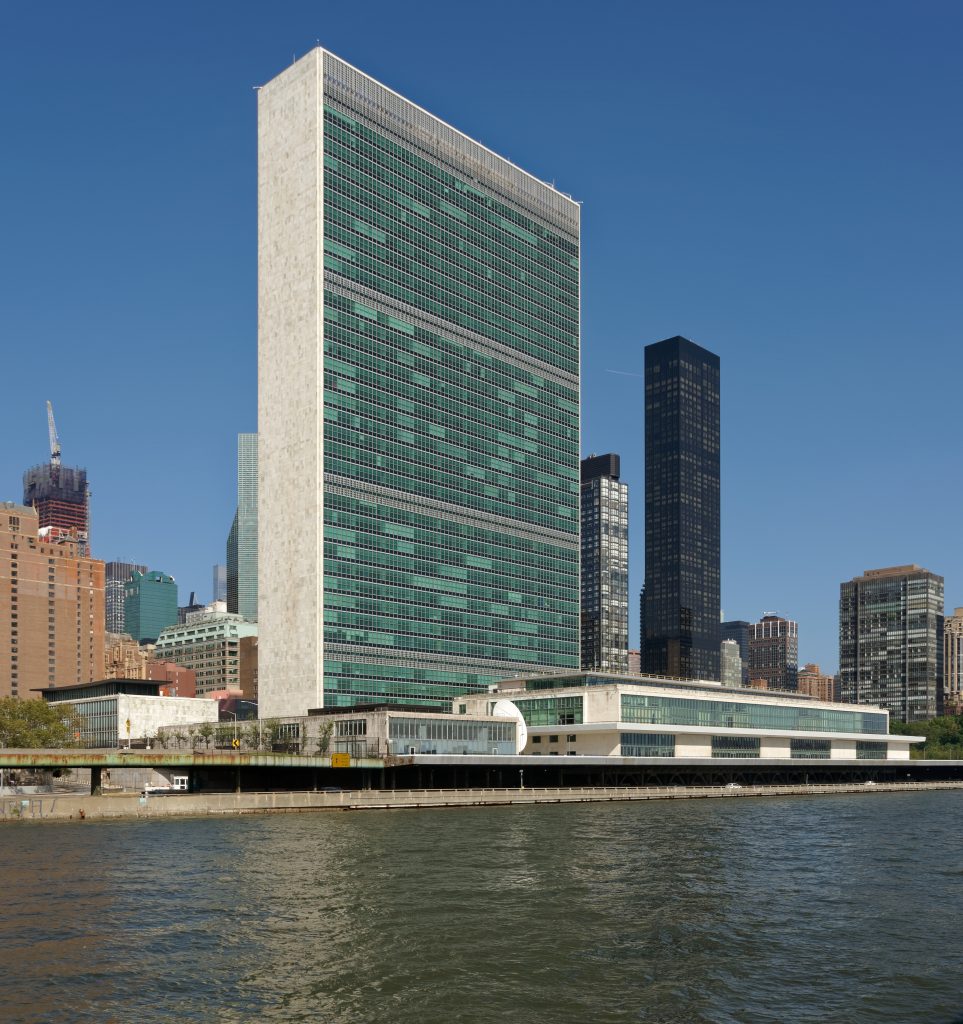
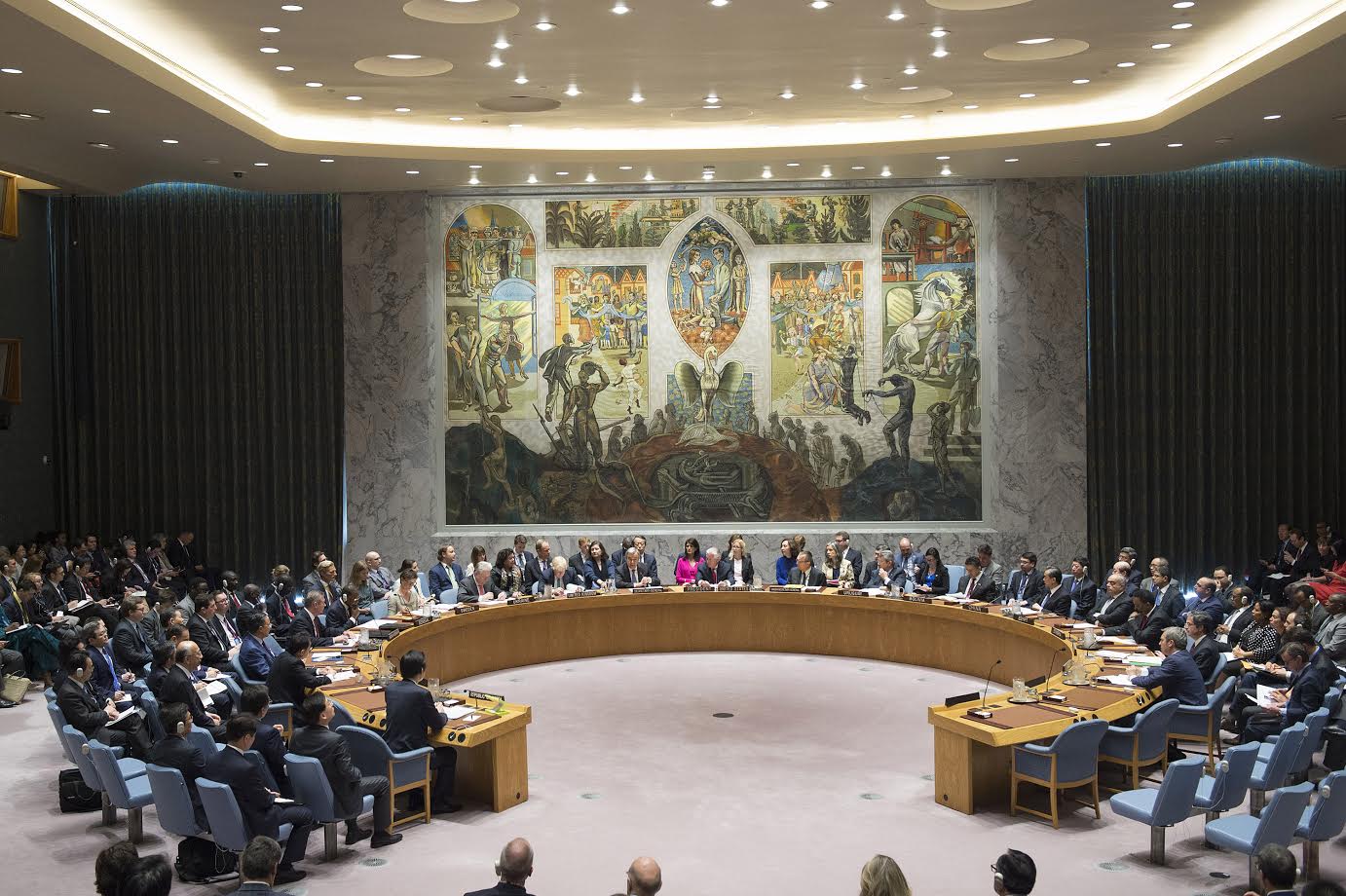
Judge Tomoko Akane of Japan addressed the UN General Assembly remotely on Monday, 2 November, because US sanctions have made it difficult for her to travel to New York. She called on all 193 UN member states, not only the 125 countries that are parties to the ICC, “to take concrete action, individually and collectively, in defense of the court.”
Her address was the court’s annual report to the General Assembly, presented by video after a resolution sponsored by Japan and the Netherlands allowed the remote format. That resolution was adopted on 29 October, with 106 votes in favour and eight against, including the United States.
Why Akane addressed the UN remotely
Akane said her remote appearance was itself the result of what she called the “extraordinary” and “unprecedented” US steps against the judges, prosecutors and the court as an institution.
The Trump administration first imposed sanctions on individual ICC officials, including Akane herself in August. It then targeted the entire court last month. Akane stressed the timing of the sweeping new sanctions, announced on 9 October — the same day the Nobel Peace Prize was awarded to South African jurist Navi Pillay, a former ICC judge, for her work promoting peace and international law.
“The contrast could not be starker,” Akane said. “On the one hand, global recognition of the value of international justice, on the other, an attempt to subdue the institution that embodies it.”
What the US sanctions do, in Washington’s words
Announcing the latest sanctions, US Secretary of State Marco Rubio said the United States “will ban transactions with this rogue court, cutting off their resources and crippling its ability to operate against us.”
Washington’s campaign against the court follows ICC investigations involving the United States and its allies, including Israel. The US State Department had no immediate comment on Akane’s remarks to the General Assembly.
Emadan’s earlier coverage of the October sanctions on the court
Akane’s reply to the sanctions was direct: “Let me be clear: The court will continue to fully discharge its mandate with independence and impartiality, acting only on the basis of the law and the evidence, for the sake of the countless victims of grave crimes.”
What Akane said is at stake
The ICC was set up in 2002 to prosecute war crimes, crimes against humanity and genocide when countries are unwilling or unable to do so. The United States is not a party to the court.
Reporting on the address, TRT World said Akane described the sanctions — which followed measures against 13 independent judges and prosecutors, including herself — as striking “at the heart of the sovereign equality of states.” She called them, in her words, “an attempt to obstruct the course of justice and to prevent the court from doing what it was created to do.”
That characterisation is Akane’s. It is not a finding by any court about the sanctions, and Washington’s stated position is that the court is acting against US interests.
TRT World also reported that Akane told the Assembly that six states had notified the court of their withdrawal during the reporting period, while another had since taken steps to withdraw, and that arrest warrants against Israeli Prime Minister Benjamin Netanyahu and former defence minister Yoav Gallant remained outstanding. Those warrants relate to alleged war crimes in the Palestinian territories; Israel disputes the court’s jurisdiction.
What happens next
The European Union and other supporters spoke at the General Assembly in support of the court and its work, according to the Associated Press report of the session. But Akane did not set out a specific enforcement mechanism, and no new collective measure was announced in the reports of her address.
What remains uncertain is practical: whether member states move from statements of support to the “concrete action” Akane requested, and how far transaction bans affect the court’s day-to-day operations. Neither question was answered in the address itself, and Emadan will update this article if member states announce specific steps or if Washington responds substantively to her remarks.
Sources
- Associated Press via La Nación: “ICC president hits back at Trump administration penalties in remote UN address” — https://www.lanacion.com.ar/usa/icc-president-hits-back-at-trump-administration-penalties-in-remote-un-address-nid02112026/
- TRT World: “US sanctions against institution seek to ‘obstruct course of justice’: ICC chief” — https://www.trtworld.com/article/ac7b51fa772a/amp
- Vietnam.vn: “The President of the International Criminal Court will present the annual report via video” — https://www.vietnam.vn/en/chu-tich-toa-an-hinh-su-quoc-te-se-trinh-bay-bao-cao-thuong-nien-qua-video
- Goodreturns: “ICC sanctions: President urges UN action after US penalties on court officials” — https://www.goodreturns.in/news/icc-president-urges-un-action-after-us-sanctions-on-court-officials-011-1544805.html
FAQ
Q: Why did the ICC president address the UN remotely?
A: Because US sanctions imposed on Akane in August made it difficult for her to travel to UN headquarters in New York, so the General Assembly adopted a resolution allowing her annual report to be presented by video.
Q: Is the United States a member of the ICC?
A: No. The United States is not a party to the court, which was set up in 2002 to prosecute war crimes, crimes against humanity and genocide when national courts are unwilling or unable to do so.
Q: What did Akane ask countries to do?
A: She urged all 193 UN member states — not just the 125 ICC parties — to take concrete action, individually and collectively, in defence of the court. She did not announce a specific new measure in the reports of her address.