Fourteen miners have been killed and seven injured after a slope collapsed at an informal open-pit gold mine in Colombia’s Pacific department of Nariño, in the country’s latest deadly accident at an unregulated mine. Rescue operations at the site, near the village of El Chambero in Santa Bárbara de Iscuandé, have concluded with no miners reported missing, provincial authorities said.
Key Takeaways
- A collapsing earth slope buried about 21 of the roughly 30 miners working at the riverside artisanal mine on Monday morning, October 19.
- Twelve of the 14 dead were women, most of them heads of household, according to Nariño’s governor.
- The mine was operating informally, without authorisation, in remote rainforest reachable only by boat or small aircraft.
- The governor is demanding faster formalisation of small-scale mining, with 181 reserve applications pending in Nariño — some for more than 20 years.
- A similar accident at an artisanal mine in Policarpa, Nariño, killed 13 people in August 2026.
What Happened?
On Monday morning, October 19, an earth slope gave way at the open-pit gold mine beside a river in El Chambero, burying about 21 of the roughly 30 artisanal miners at work, according to Colombian media and officials cited by Reuters. The final toll, confirmed as recovery work ended, stands at 14 dead and 7 injured, four of them seriously. Thirteen bodies were taken to the municipal seat of Santa Bárbara de Iscuandé and one victim to Guapi, in neighbouring Cauca.
An early official estimate that a further 12 to 15 people might be missing — made when only six bodies had been recovered — was superseded as the search concluded: authorities confirmed no one remains missing in the affected sector.
A Community of Women Miners
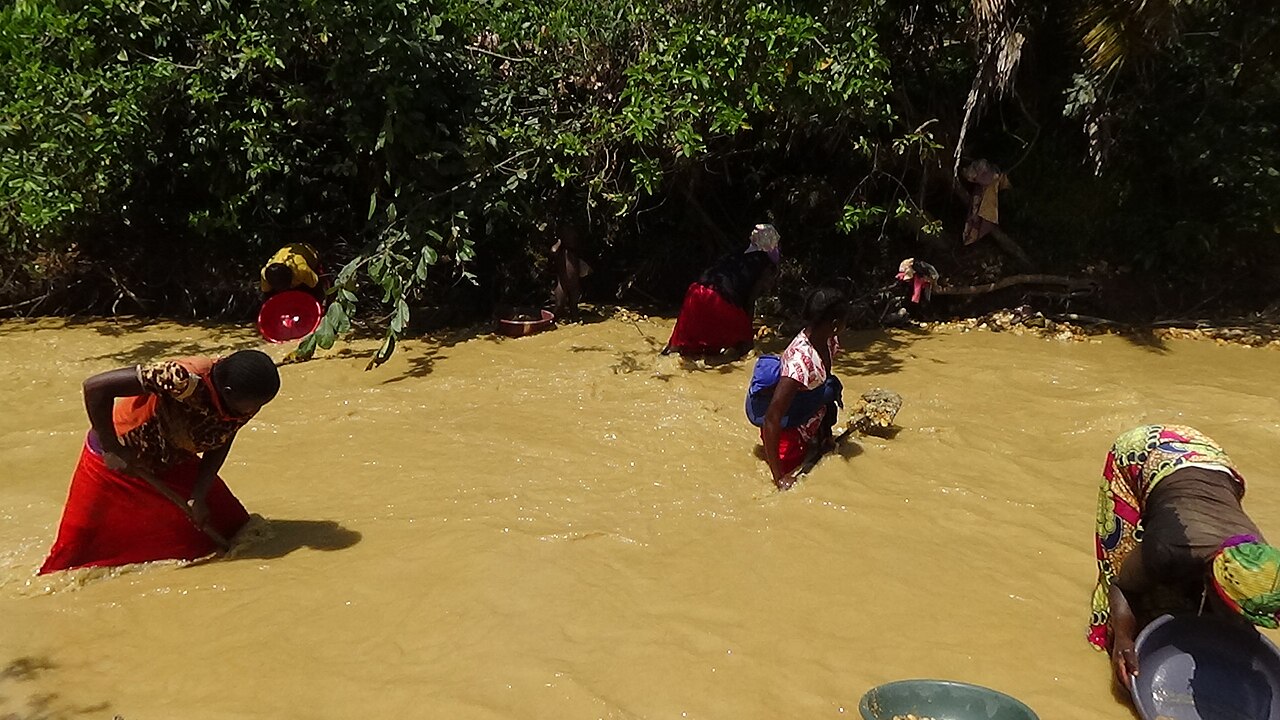
Nariño Governor Luis Alfonso Escobar said 12 of the 14 dead were women, most of them heads of household — a reflection of how artisanal gold mining in Colombia’s Pacific region has become one of the few sources of income for local families. The most seriously injured were being transferred with support from the Army’s Third Division for air evacuation to Tumaco.
Colombia’s Ombudsman’s Office called for personnel and equipment — including possible hospital support from Guapi — to be deployed to the area, while warning that illegal armed groups active in the region could complicate the response.
The Formalisation Backlog
Escobar used the disaster to renew pressure on the national government, the National Mining Agency and the Ministry of Mines to speed up the formalisation of informal and small-scale miners. He cited 181 special mining reserve applications pending in Nariño alone, some waiting more than two decades for a decision — leaving miners working outside the safety and labour rules that formal status would bring.
Monday’s collapse is the second mass-casualty mining accident in Nariño in three months: 13 miners died in a similar artisanal mine accident in Policarpa in August 2026.
Sources
- Reuters, Colombia mine collapse reporting, October 19–20, 2026
- Al Jazeera, “At least 14 killed in Colombia gold mine collapse,” October 19–20, 2026
- EFE and El País, reporting from Nariño officials, October 20, 2026
- Statements of Nariño Governor Luis Alfonso Escobar and Colombia’s Ombudsman’s Office, October 19–20, 2026
FAQs
How many people died in the Colombia mine collapse?
Fourteen miners were killed and seven injured. Authorities say the search has concluded and no one is missing.
Where did the collapse happen?
At an informal open-pit gold mine near El Chambero, in the municipality of Santa Bárbara de Iscuandé, Nariño department, on Colombia’s Pacific coast.
Was the mine legal?
No. Officials describe it as an informal, unauthorised artisanal mine — one of many operating while formalisation applications remain pending.
Related coverage: a school roof collapse in Peshawar killed 28 people.