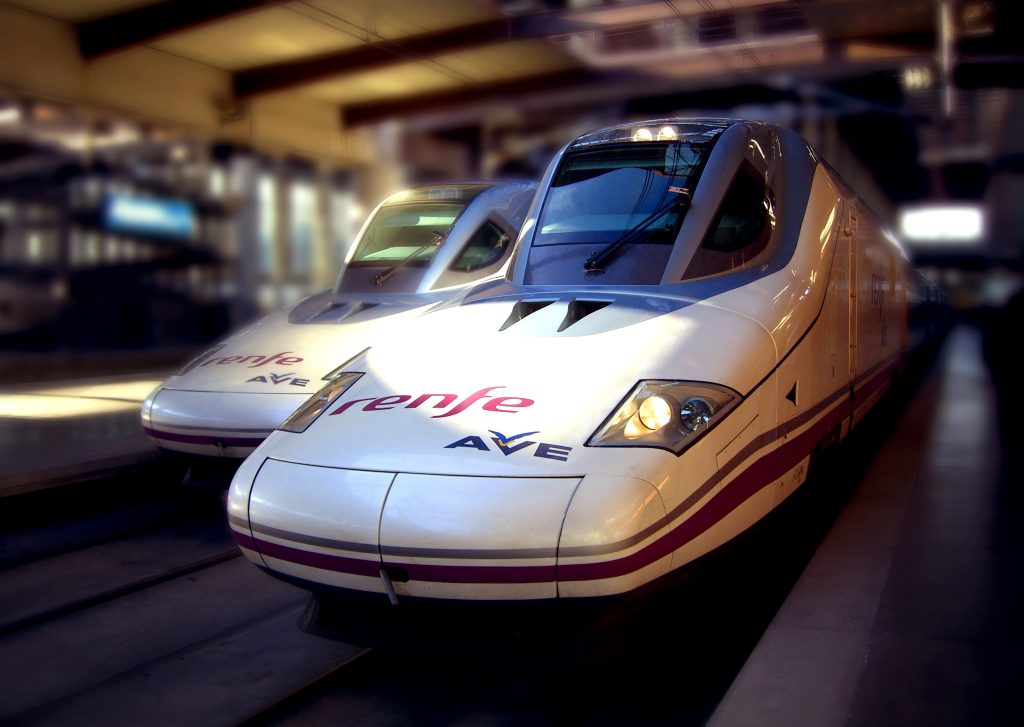
Spain’s transport minister, Óscar Puente, has rejected calls to resign over the high-speed rail crash near Urda that killed at least 69 people, saying his priority is establishing what happened rather than discussing his own future.
“My duty now is not to focus on discussing whether I will remain in office, but on solving the problem, determining exactly what happened and providing clear explanations,” Puente said at a press conference on Friday, 30 October.
Pressure from unions and lawmakers
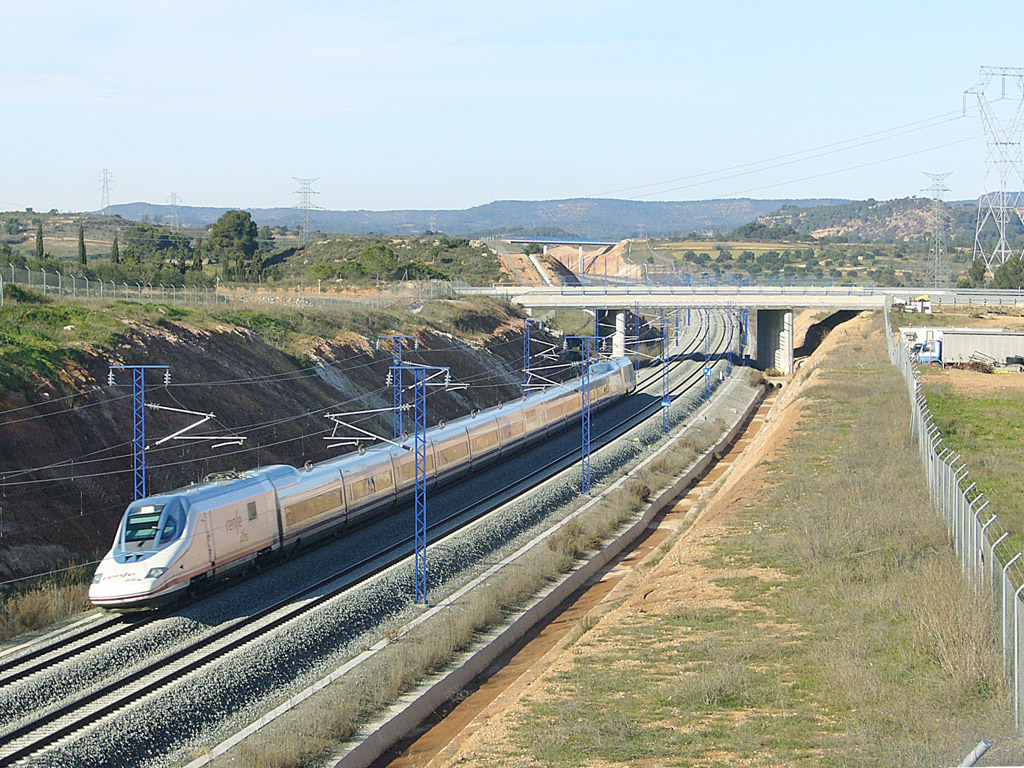
Puente has faced mounting pressure since the crash on Wednesday, 28 October, when a Renfe high-speed train ran into the back of a stationary Iryo train near Urda, in Toledo province, on the Madrid–Seville line. Rail workers’ unions have called for his immediate dismissal, and lawmakers from across the political spectrum have criticised him for attributing the crash to a break in protocol by control-centre operators rather than accepting responsibility.
The CSIF union demanded his resignation on 28 October, accusing him of making an Adif employee a scapegoat. People’s Party leader Alberto Núñez Feijóo, speaking in Urda on 29 October, said political responsibility could not wait for any investigation to finish, though he stopped short of directly calling for Puente to go. Puente has pointed to a decision taken at the Adif control centre in Madrid, which he called inexplicable.
What investigators have said so far
A preliminary report from the Independent Authority for the Technical Investigation of Accidents and Incidents (AITAT) said the Renfe train was travelling at between 160 and 200 km/h when it hit the stationary train. AITAT said “the sequence of malfunctions, instructions, and actions eventually led to the collision, in the absence of the necessary mitigating barriers,” but said it could not confirm the exact speed until it extracted information from the train’s black box.
According to Puente’s account, a computer malfunction knocked out the automated safety system along a stretch of track, halting trains in that section. The Madrid control centre then cleared the Renfe train to resume at normal speed, even though the Iryo train was stopped ahead. Leaked audio published by El País and reported by the BBC appeared to show a controller telling the driver to continue at normal speed; Puente said that disregarded a protocol to travel at no more than 40 km/h in such circumstances. The cause has not been finally established, and no one has been charged.
A second disaster this year
The Urda crash is Spain’s second deadly high-speed disaster this year on the same corridor, after a derailment near Adamuz, in Córdoba province, on 18 January that killed 46 people. It is already Spain’s deadliest train accident since 2013. The Civil Guard listed 64 people as missing, and regional officials have warned the death toll could rise further as identification continues; 49 autopsies had been carried out and five people formally identified at the time of Puente’s press conference.
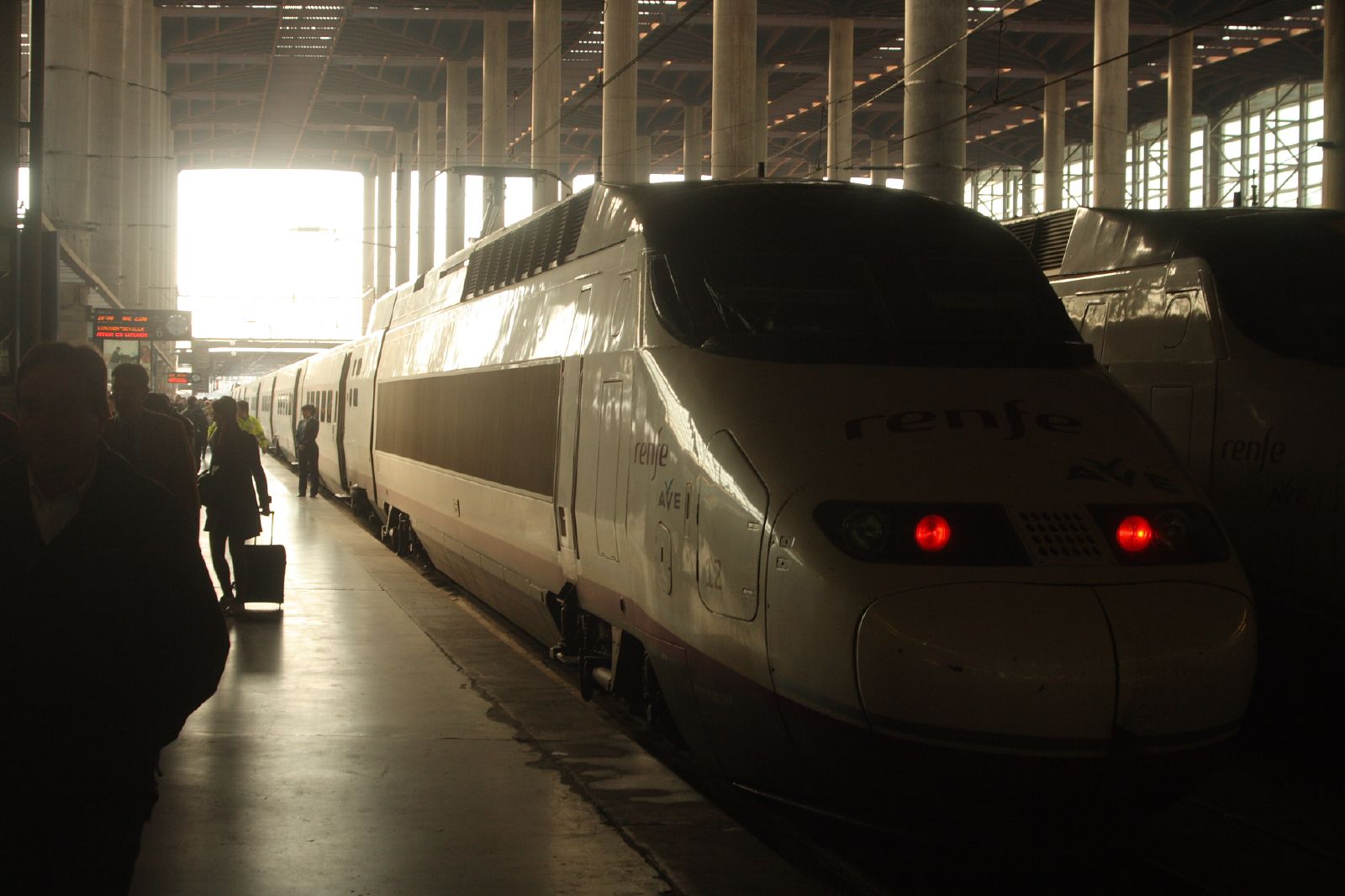
The crash has reopened debate about safety and maintenance on Spain’s high-speed network, the most extensive in Europe. Reports note the LZB safety system that failed was behind schedule for an upgrade to the standardised European ERTMS system on the Madrid–Seville line. Prime Minister Pedro Sánchez, whose government faces a general election on 29 November, has vowed to find out what caused the accident, saying it is unacceptable for Spain to suffer two accidents of this nature and magnitude in a single year.
What happens next
Identification of victims and recovery of the wreckage continue, alongside the technical investigation. The political question — whether Puente stays — is now tied to that investigation: Puente says he will not discuss his future until what happened is established, while his critics argue political responsibility should not wait. For comparison, in Greece the transport minister resigned the day after the Tempi rail disaster in 2023.
Frequently asked questions
Has Óscar Puente resigned? No. He has said he will not resign and intends to remain in post while the investigation continues.
How many people died in the Urda crash? At least 69 people, according to reports citing officials; 64 people were also listed as missing, and officials have said it is unclear whether all of the missing are accounted for in the death toll, so the figure could change.
Has the cause been established? No. A preliminary report describes a sequence of malfunctions, instructions and actions, but the exact speed and full cause await black-box data and the completed investigation.
Sources
- CGTN Europe, “Spain’s transport minister rejects calls to quit after deadly crash” — https://newseu.cgtn.com/news/2026-10-30/Spain-s-transport-minister-rejects-calls-to-quit-after-deadly-crash-1RFwHEwrubS/share_amp.html
- Brussels Signal, “Greek precedent piles pressure on Spanish Government” — https://brusselssignal.eu/2026/10/greek-precedent-piles-pressure-on-spanish-government-after-second-deadly-rail-crash/
- Associated Press via WESA, “Spain reckons with 2nd deadly train crash of the year ahead of national election” — https://www.wesanews.org/national-international-news/2026-10-29/spain-reckons-with-2nd-deadly-train-crash-of-the-year-ahead-of-national-election
Related coverage on Emadan: Leaked audio raises new questions over Spain train crash as death toll reaches 69.