President Donald Trump’s lawyers asked a New York appeals court on Thursday, November 5, to throw out his 2024 criminal conviction in the hush money case, arguing that the prosecution should never have been brought under state law and that evidence from his first White House term should never have been heard by the jury.
The five-judge panel of the Appellate Division, First Department — New York’s mid-level appeals court — heard 15 minutes of argument from each side in Manhattan and gave no indication of how or when it would rule. Trump did not attend the hearing.
The case is the first criminal conviction of a president in American history. A unanimous Manhattan jury found Trump guilty in May 2024 on 34 felony counts of falsifying business records, tied to a $130,000 payment to adult film performer Stormy Daniels days before the 2016 presidential election. Trump denies any wrongdoing. Days before his inauguration in January 2025, the trial judge sentenced him to an unconditional discharge — no jail time, no fine and no other penalty — but the conviction itself stands.
The arguments before the panel
Trump’s team, led in the appeal by Robert Giuffra Jr., co-chair of the law firm Sullivan & Cromwell, made three central arguments.
First, they said federal election law pre-empts the state prosecution. Prosecutors argued at trial that the falsified records were meant to conceal another crime — promoting or preventing an election through unlawful means, including violations of the Federal Election Campaign Act (FECA). Giuffra told the panel that the Manhattan District Attorney’s office had no place tying a state case to federal election law, and that the Department of Justice and the Federal Election Commission have exclusive jurisdiction over contribution and expenditure violations. He called the FECA theory “the most obvious ground for reversal.”
Second, they argued the trial judge violated the Supreme Court’s 2024 ruling on presidential immunity by allowing the jury to hear testimony about White House conversations and workflow, including evidence from then-Communications Director Hope Hicks, and Trump’s social media posts from his first term. His lawyers say that material was official conduct and should not have been used as evidence in a case about unofficial acts.
Third, they argued prosecutors failed to show that Trump intended to defraud anyone.
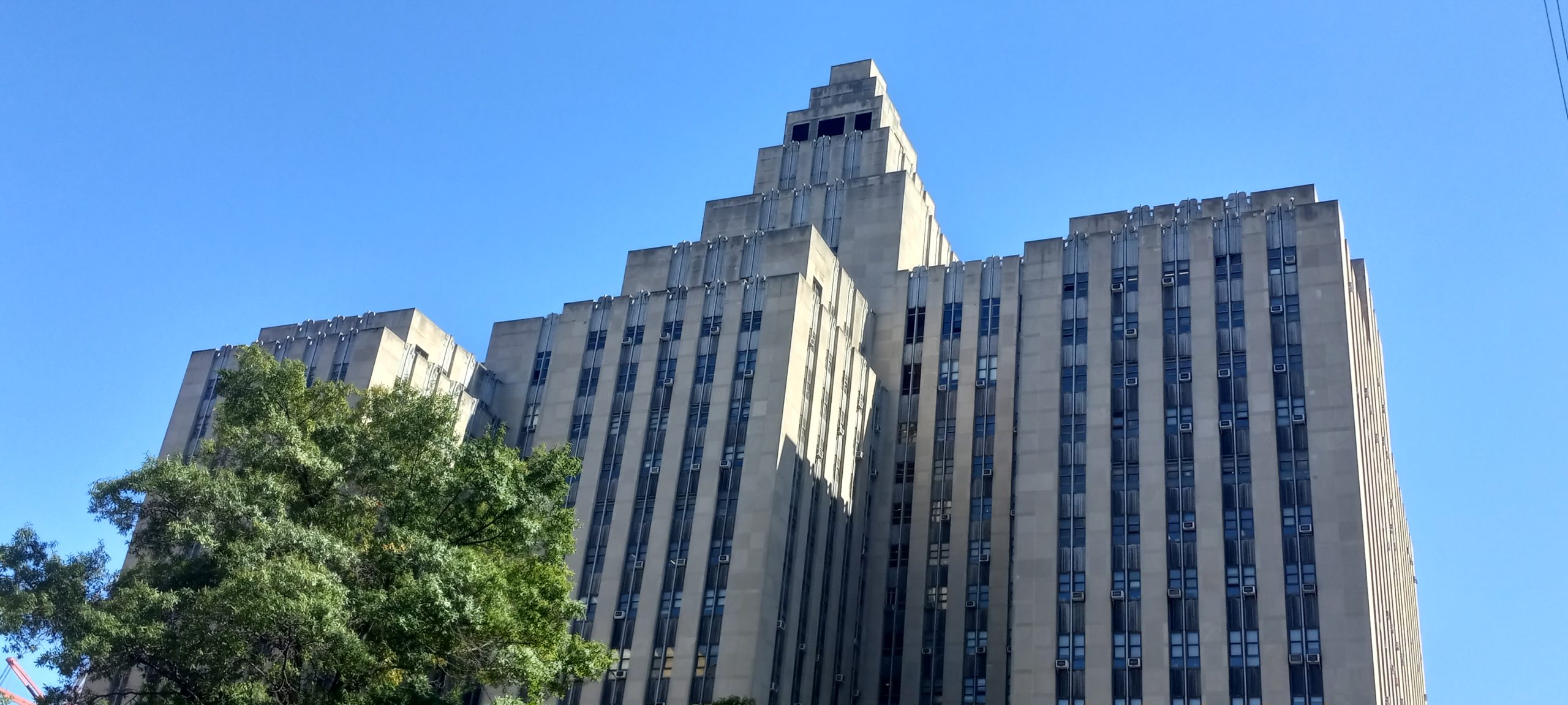
The judges pressed both sides. According to CNN’s courtroom account, the justices at times appeared open to Trump’s arguments on federal election law and immunity, and they challenged the state’s lawyer on how heavily the trial team had relied on the FECA violations to prove the 34 counts. Associate Justice Bahaati E. Pitt-Burke pressed Steven Wu, chief of appeals for the District Attorney’s office, on the point. Justice Troy Webber also questioned the lawyers on the immunity evidence. The panel did not rule from the bench, and no timetable for a decision has been announced.
Manhattan District Attorney Alvin Bragg’s office countered that the legal theory and the jury instructions were legitimate, and that the White House-related evidence was fair game. Prosecutors said at trial that the FECA violations were the most obvious ground for conviction.
The case behind the appeal
Prosecutors said Trump falsified business records to hide reimbursements to Michael Cohen, his lawyer at the time, who paid Daniels $130,000 to keep quiet about an alleged sexual encounter before voters went to the polls in 2016. The 34 counts correspond to the invoices, ledger entries and cheques used to record the reimbursements as legal expenses.
The conviction has continued to rankle Trump in his second term as president. He denounced the case on social media as recently as September, and he has turned to both state and federal courts in hopes of unwinding the verdict.
Alongside the state appeal, Trump is also trying to move the case into federal court and have it dismissed on immunity grounds, leaning on the Supreme Court’s 2024 decision expanding protections for presidents. A federal judge rejected that effort for a third time in August. Trump’s lawyers have appealed again, with arguments in that case scheduled for November 16.
What happens next
The Appellate Division’s written decision is the next marker. Whichever side loses is expected to appeal to the Court of Appeals, New York’s highest court, and both sides have indicated the case could eventually reach the US Supreme Court.
For now, the conviction remains on the books. The unconditional discharge means Trump faces no punishment from the sentence, but only a court ruling can erase the verdict itself — and Thursday’s hearing ended without one.
FAQ
What was Trump convicted of?
A unanimous Manhattan jury found him guilty in May 2024 on 34 felony counts of falsifying business records, tied to a $130,000 payment to Stormy Daniels before the 2016 election. He denies wrongdoing.
What did his lawyers argue on appeal?
That federal election law pre-empts the state case, that the trial judge violated presidential immunity by admitting White House evidence, and that prosecutors failed to prove intent to defraud.
Did the appeals court rule?
No. The five-judge panel heard arguments on November 5, 2026, and did not rule or set a date for a decision.
Is Trump still a convicted felon?
Yes. His January 2025 sentence was an unconditional discharge — no jail, fine or other penalty — but the conviction itself remains unless a court overturns it.
What about the federal case?
Separately, Trump is trying to move the case to federal court and have it dismissed on immunity grounds. A federal judge rejected that bid for a third time in August; arguments on that appeal are set for November 16.
Sources
- Associated Press via La Nacion — Trump’s lawyers to appear before appeals court as he fights hush money conviction
- CNN — Judges appear open to Trump’s push to overturn hush money conviction
- The Manila Times (AP) — Court weighs Trump’s appeal in the Stormy Daniels hush money case
- The News — Trump seeks to clear criminal record in latest Stormy Daniels hush money appeal
- political.org — Trump’s Lawyers Argue Appeal of Hush Money Conviction Before New York Appeals Panel