Four volunteers have emerged after 378 days in isolation inside NASA’s simulated Mars habitat at the Johnson Space Center in Houston, completing the agency’s second Crew Health and Performance Exploration Analog (CHAPEA) mission. The crew emerged at the weekend, reported November 1, 2026.
The crew
The crew were mission commander Ross Elder, medical officer Ellen Ellis, science officer Matthew Montgomery and flight engineer James Spicer. They entered the 1,700-square-foot (158-square-metre) 3D-printed habitat, Mars Dune Alpha, on October 19, 2025. This post follows the mission’s earlier development, covered in Emadan’s one-year-mark story: NASA CHAPEA Mars crew one-year habitat.
Life inside
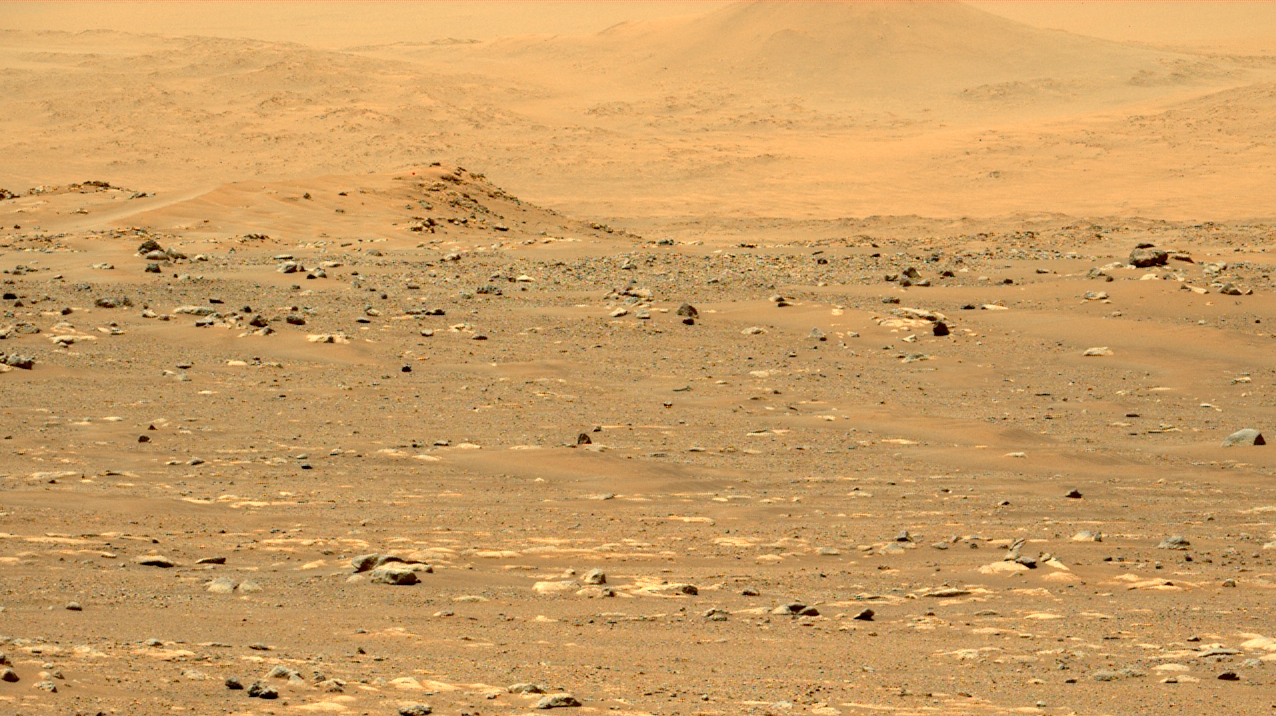
Inside, the crew grew crops in simulated Martian soil, maintained the habitat, carried out simulated spacewalks (“Marswalks”), and communicated with mission control through delays designed to recreate interplanetary communication lags. The mission studies how people perform under isolation, confinement and limited resources, to prepare for future long-duration missions to the Moon and Mars.
What happens next
The crew now undergo about two weeks of post-mission evaluations and debriefing with NASA scientists. This was NASA’s second CHAPEA mission; the first four-person crew also spent 378 days in isolation between 2023 and 2024. No results from this second mission have been published yet.
Why it matters
A year-long Mars surface stay is the kind of duration a real crewed Mars mission would demand, so a full 378-day ground simulation is the closest test available without leaving Earth.
FAQ
What is CHAPEA?
CHAPEA is NASA’s Crew Health and Performance Exploration Analog, a simulated Mars habitat mission at the Johnson Space Center in Houston.
Who were the crew?
Ross Elder, Ellen Ellis, Matthew Montgomery and James Spicer.
How long did they spend inside?
378 days.
Sources