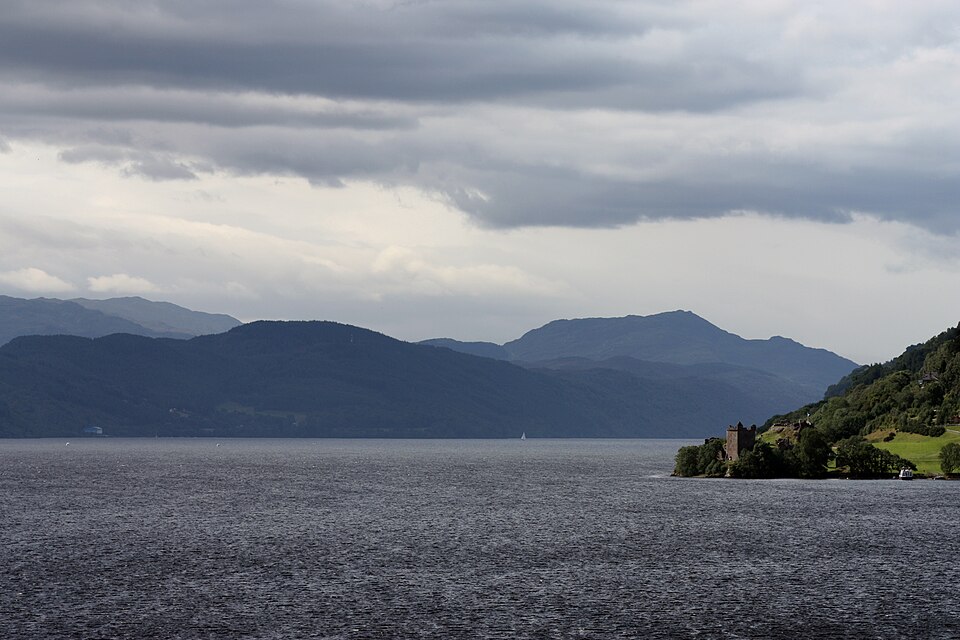
Beavers are set to return to the waters around Loch Ness, 500 years after they were last recorded at the world-famous loch, after Scotland’s nature agency granted a licence for their reintroduction.
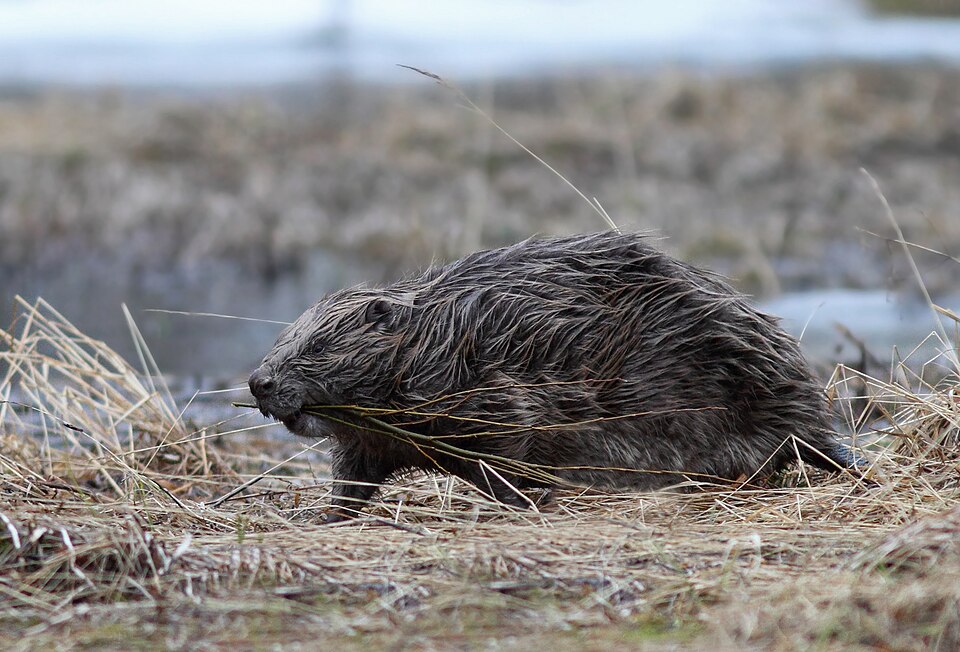
NatureScot granted the licence on October 30, 2026, to charities Trees for Life and Beaver Trust. Their Ness Beaver Project plans to release beaver family groups at key sites in lochs, lochans and rivers around Loch Ness over the next three years, with the first reintroductions potentially happening as early as next month.
How many beavers, and where?
Trees for Life says the project will reintroduce at least 15 beaver family groups around Loch Ness over three years. Some wire reporting described the plan as up to 15 groups; the licence holders’ own announcement uses “at least 15,” and this article follows that wording.
Specific release sites have deliberately not been named. The charities say sites will be announced once the beavers have been safely released, so the animals can settle without disturbance. The beavers will be relocated from elsewhere in Scotland.
The River Ness catchment was identified by NatureScot in 2022 as one of Scotland’s most suitable catchments for beavers, thanks to its habitats, extensive waterways and low risk of interfering with other land uses.
Why 500 years?
The last widely cited historical record of Scotland’s beavers, dating from 1526-27, places them around Loch Ness, in Hector Boece’s History and Chronicles of Scotland. That makes 2026 the 500th year since beavers were last recorded at the loch — the framing used by Trees for Life — rather than a proven date on which the last beaver died there.
Beavers were later hunted to extinction in Scotland, before being officially reintroduced in 2009. This project is therefore a return to the Loch Ness area, not the first return of beavers to Scotland, where they already live in other catchments.
What beavers do for a landscape
Beavers build dams and canals that restore and reconnect rivers, wetlands and floodplains, creating habitat for other wildlife. NatureScot’s assessment is that bringing them back could significantly improve biodiversity in the River Ness catchment, in a landscape judged at low risk of negative impacts.
The project supports Scotland’s Beaver Strategy 2022-2045. A monitoring and mitigation group will be established, with citizen-science monitoring, research, support for land managers and educational events, plus a locally based beaver management officer.
Concerns raised — and the response
Consultation responses were positive overall, with more than 73 percent of respondents supporting the reintroduction, according to the PA news agency. Some concerns were raised by land and fisheries managers and by residents within the catchment.
NatureScot director Robbie Kernahan said the agency takes those concerns seriously, and that it had assessed the applicants’ monitoring and mitigation plans and believes, along with its existing beaver mitigation scheme, that any potential conflicts can be resolved.
For now, the licence is the milestone: after five centuries, beavers are officially on their way back to Loch Ness — with the first families potentially arriving as early as November, at sites kept quiet until they have settled in.
Frequently asked questions
When will beavers be released at Loch Ness? The first reintroductions could potentially happen as early as November 2026, but no date or first site has been confirmed.
How many beavers are planned? At least 15 beaver family groups over three years, according to Trees for Life and Beaver Trust.
Are beavers new to Scotland? No. They were hunted to extinction centuries ago but officially reintroduced in 2009 and live in other Scottish catchments; this is a return to the Loch Ness area.
Sources
- Trees for Life — Licence granted for historic return of beavers to waters around Loch Ness (October 30, 2026)
- The Oldham Times / PA — Beavers to return to waters around Loch Ness 500 years after last sighting (October 30, 2026)
- BusinessMole — Beavers make historic return to Loch Ness after 500 years