Four volunteers have now spent a full year sealed inside a 3D-printed Mars habitat in Houston — and they are not done yet. NASA’s second CHAPEA crew passed the 365-day mark of their 378-day simulated Mars mission on Monday, October 19, and will finally step out of the Mars Dune Alpha habitat on Saturday, October 31.
Key Takeaways
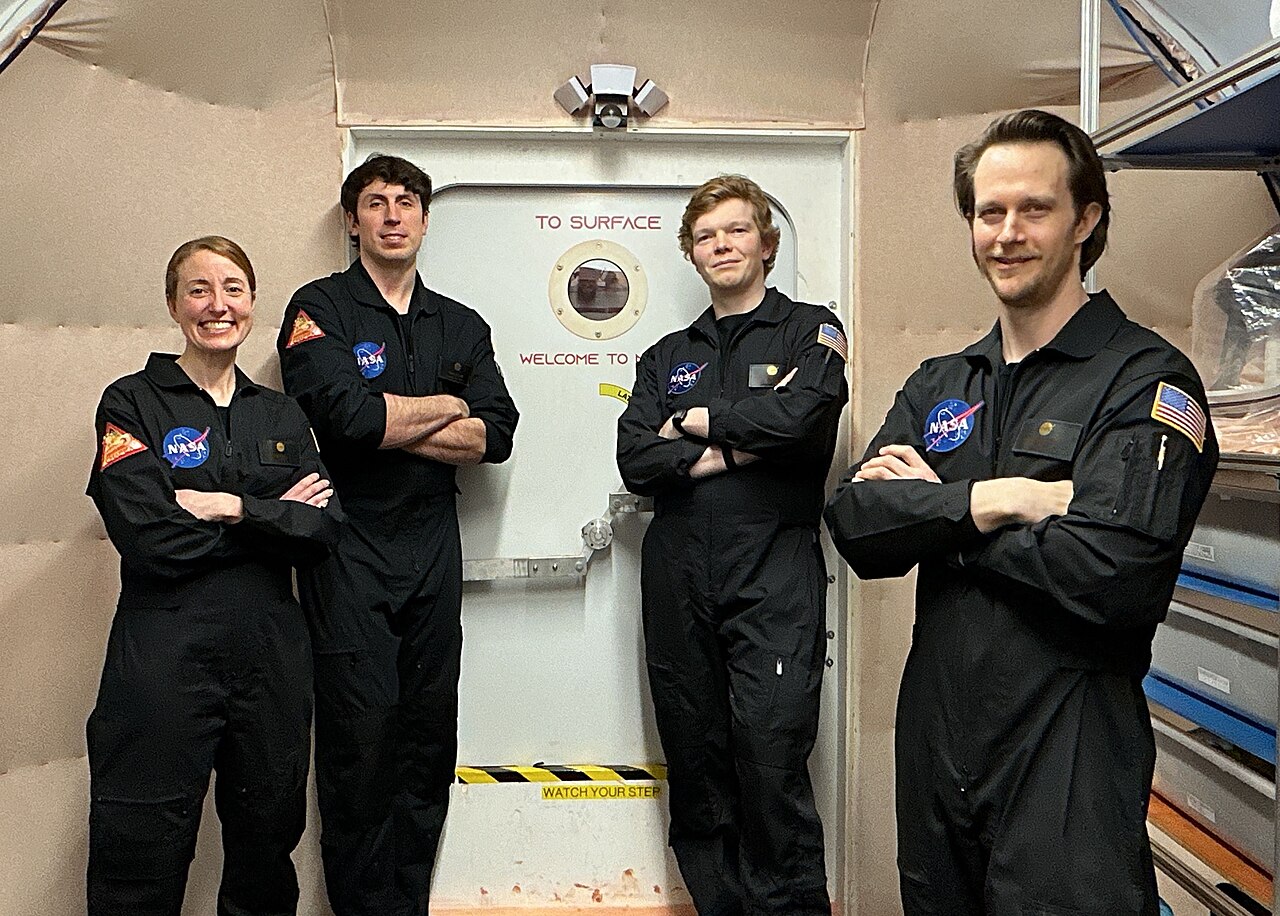
- The CHAPEA Mission 2 crew — Ross Elder, Ellen Ellis, Matthew Montgomery and James Spicer — entered the habitat on October 19, 2025.
- The mission lasts 378 days in total; reports that the crew has already finished are wrong — egress is scheduled for October 31, 2026.
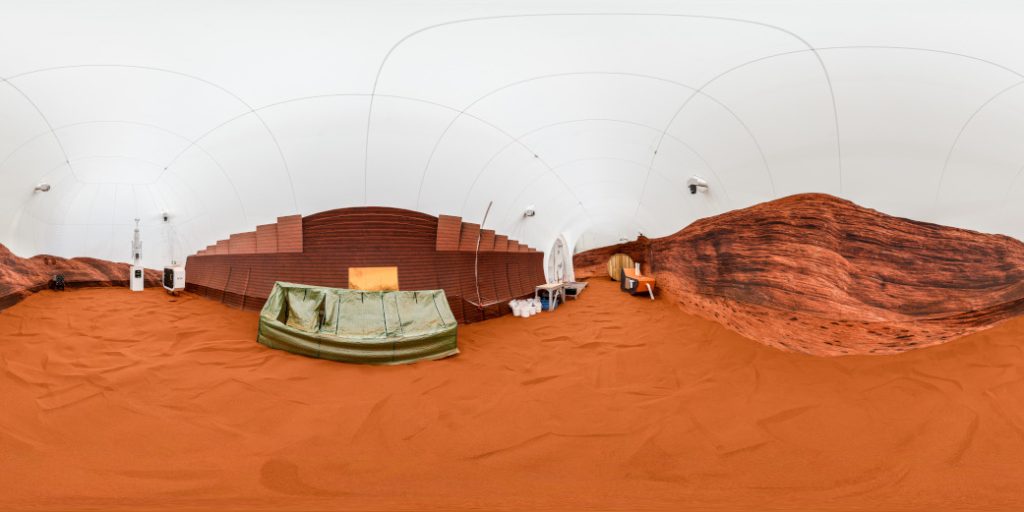
- The 1,700-square-foot, 3D-printed habitat at Johnson Space Center simulates the isolation of a Mars surface mission.
- The crew grows crops, performs simulated spacewalks and lives with communication delays of up to 45 minutes each way.
- NASA will livestream the crew’s exit, followed by two weeks of post-mission evaluations.
A Year in “Mars Dune Alpha”
CHAPEA — Crew Health and Performance Exploration Analog — is NASA’s programme of year-long ground missions designed to learn how astronauts will cope with the isolation, confinement and delays of a real journey to Mars. Commander Ross Elder, medical officer Ellen Ellis, science officer Matthew Montgomery and flight engineer James Spicer have lived inside the habitat since October 19, 2025, NASA said in its one-year report published Monday.
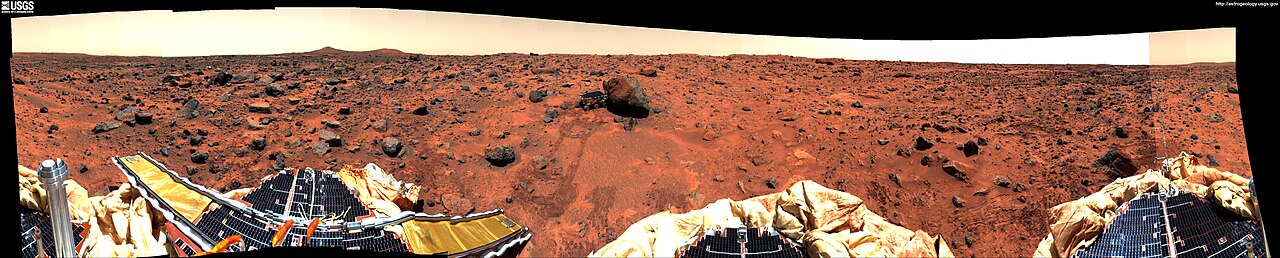
The crew’s days are built to mimic Mars conditions: they grow crops to supplement their food, manage strictly limited resources, conduct suited “Marswalks” on a simulated Martian surface, and communicate with the outside world — including their families, by email only — through delays of up to 45 minutes each way, as radio signals would behave between Earth and Mars.
What NASA Is Learning
“We are extremely proud of the crew for their commitment and achievements over the last year on such a fast-paced, highly demanding mission,” said Grace Douglas, CHAPEA’s principal investigator.
Michael Stenger, chief scientist of NASA’s Human Research Program, said the mission “has been incredibly valuable in starting to teach us how to understand requirements for year-long missions, including medical and psychological care, via communication delays.” The health and performance data gathered will shape how NASA designs food, exercise and medical systems for deep-space crews who must operate with far more autonomy than astronauts on the International Space Station.
What Happens Next?
The crew exits the habitat on Saturday, October 31, in a ceremony NASA plans to livestream, and then faces two weeks of post-mission evaluations and debriefs. CHAPEA is planned as a series of three missions; NASA has not announced a start date for the third and final crew in its latest update.
Sources
- NASA, “NASA’s Simulated Mars Crew Marks One Year Inside Habitat,” October 19, 2026 — nasa.gov
- NASA CHAPEA programme page — nasa.gov
FAQs
Has the NASA Mars simulation crew finished?
Not yet. They passed 365 days on October 19, 2026, but the mission runs 378 days and ends on October 31, 2026.
Who is in the CHAPEA 2 crew?
Commander Ross Elder, medical officer Ellen Ellis, science officer Matthew Montgomery and flight engineer James Spicer.
What is Mars Dune Alpha?
A 1,700-square-foot, 3D-printed habitat at NASA’s Johnson Space Center in Houston, built to simulate living on the surface of Mars.