The Nobel Peace Prize 2026 was awarded to South African jurist Navanethem “Navi” Pillay in Oslo on Friday — and within hours, the Trump administration sanctioned the International Criminal Court itself, the first time Washington has targeted the tribunal as an institution rather than its individual officials.
Who won the Nobel Peace Prize 2026?
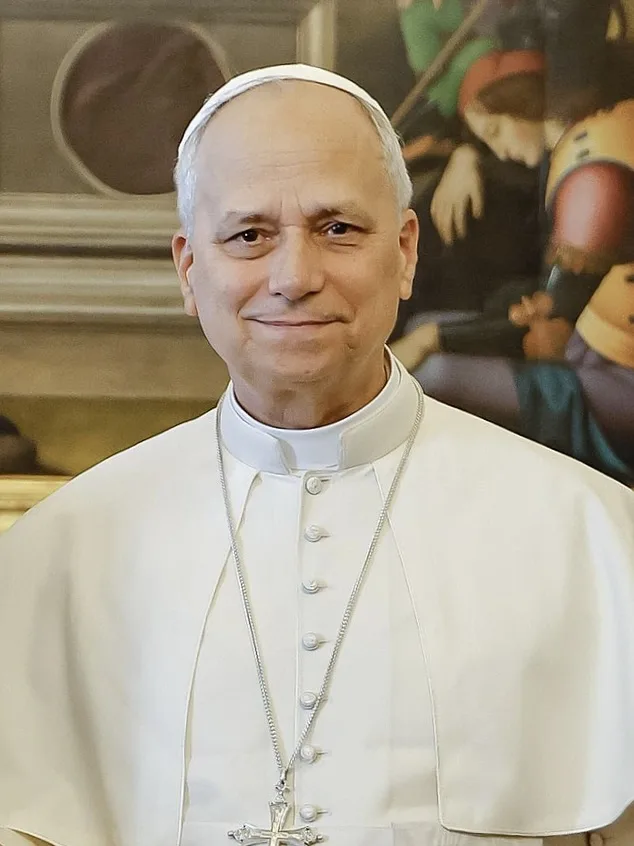
The Norwegian Nobel Committee named Pillay, 85, the 125th laureate for her decades of work defending international law, saying she had been instrumental in ensuring that war crimes, crimes against humanity, and genocide are prosecuted. She is the fifth South African to receive the prize.
Pillay served on the ICC’s Appeals Chamber from 2003 to 2008, sat as a judge on the Rwanda tribunal, and later became UN high commissioner for human rights. She most recently chaired the UN commission of inquiry that concluded Israel was responsible for genocide in Gaza — a finding Israel dismissed before denouncing the Nobel decision as politically motivated.
Committee chairman Jørgen Watne Frydnes said the system of international law was “under tremendous pressure” and its institutions “under attack.” Pillay, who learned the news in Nuremberg’s historic courtroom, said she would “dedicate this award to all of the survivors of international crimes.”
Why the US sanctioned the ICC
Hours after the prize announcement, the United States imposed sanctions on the ICC itself. Washington has previously sanctioned individual ICC officials; this move goes further, potentially punishing companies that provide services to the court at all.
Secretary of State Marco Rubio said “President Trump will never allow the International Criminal Court to prosecute Americans,” adding: “We will ban transactions with this rogue court, cutting off their resources and crippling its ability to operate.” He also warned, according to the AP: “Either the ICC will end its threats, or we will end the ICC.” The sanctions block any ICC assets in US jurisdictions and give American companies six months to wind down their business with the court.
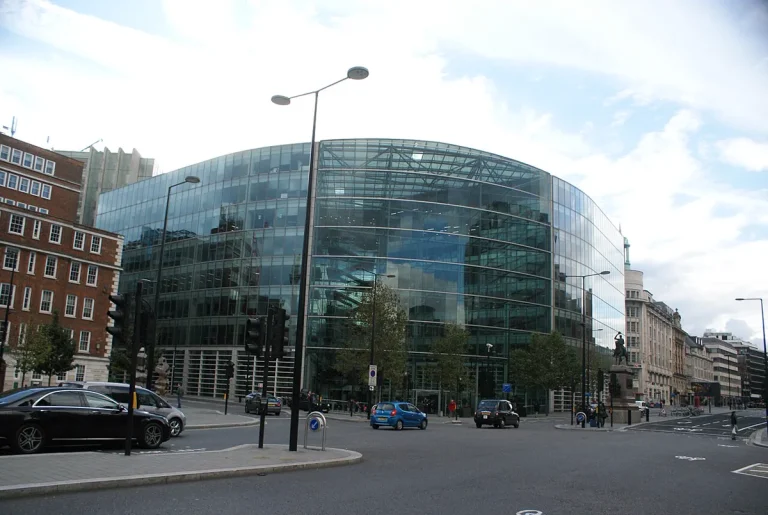
The Trump administration has long been hostile to the court over arrest warrants it issued for Israeli officials, including Prime Minister Benjamin Netanyahu, and over a past investigation into the actions of US soldiers in Afghanistan. The ICC, founded in 2002 and based in The Hague, counts 125 member states — including every EU country and every NATO member except the United States and Turkey.
The ICC hits back
The court pushed back within hours: Deputy Prosecutor Nazhat Shameem Khan condemned the sanctions and vowed the tribunal’s work would continue, while ICC President Tomoko Akane urged member states to defend the institution. In a statement, the court “strongly” rejected the move as an attack on international justice — “an assault on the rule of law” striking “at the simple principle that no one stands above the law.”
Why it matters — and what happens next
The timing immediately raised questions about whether Washington was retaliating over a Nobel snub — Trump has long and openly coveted the prize — but according to the AP, the sanctions move long predated the Nobel announcement. Either way, the Nobel committee framed the award as a rebuke of “power politics at the expense of legal frameworks,” and with the ICC based in the Netherlands and backed by every EU country, the move puts Washington on a collision course with its closest allies.
Based on reporting by Reuters, the Associated Press, Al Jazeera, and USA Today.