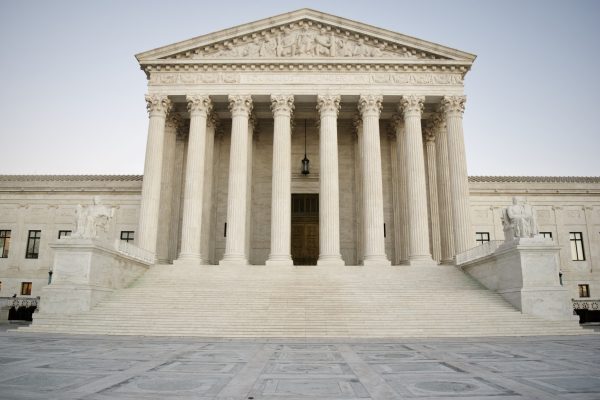
The US Supreme Court on Monday rejected the Trump administration’s emergency bid to force California to set aside mail-in ballots from more than 20,000 registered voters, a day before the midterm elections decide control of Congress.
The justices denied the Justice Department’s emergency request within hours of it being filed, in a brief, unsigned, one-sentence order that gave no explanation — as is common when the court handles emergency matters. No justice publicly dissented, and the court did not first ask California to respond, a step it normally takes.
The decision means California does not have to separate the challenged ballots from other ballots as voting concludes on Tuesday. It is the latest defeat for the administration in a fast-moving election dispute, after lower courts had already rejected the same demand.
What the administration asked for
The Justice Department had asked the court to order California to separate any mail ballots cast by voters on a federal list of people it alleges are likely non-US citizens, and not to count them until their citizenship could be verified. Solicitor General D. John Sauer argued that once California mixed the challenged ballots with lawful ones, there would be no way to retrieve them.
Federal officials had initially put the number of people on the list at around 190,000 before revising it to about 20,000. The administration says California is impeding enforcement of the federal law that makes it a crime for noncitizens to vote in federal elections.
California, by contrast, said the list appeared to be filled with errors and that setting the ballots aside could effectively disenfranchise legal voters. State officials also said California already has safeguards to protect election integrity.
It is important to be precise about what is alleged here: the voters on the list are alleged by federal officials to be likely noncitizens. That allegation has not been established as fact for those voters, and the court’s order does not decide any individual voter’s citizenship.
How the case reached the Supreme Court
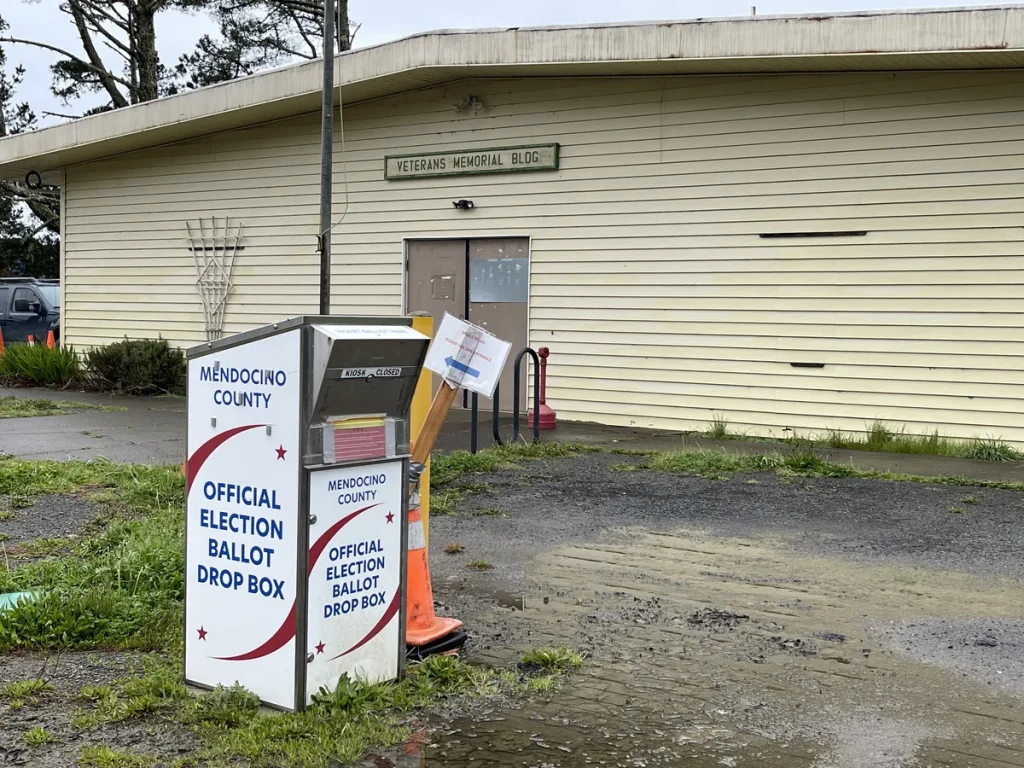
The Justice Department sued California in October, about two weeks before the election, after the state declined to sequester the ballots of people on the list provided on 12 October. Voting in California has been under way since early October, and all of the state’s roughly 23 million registered voters are mailed a ballot.
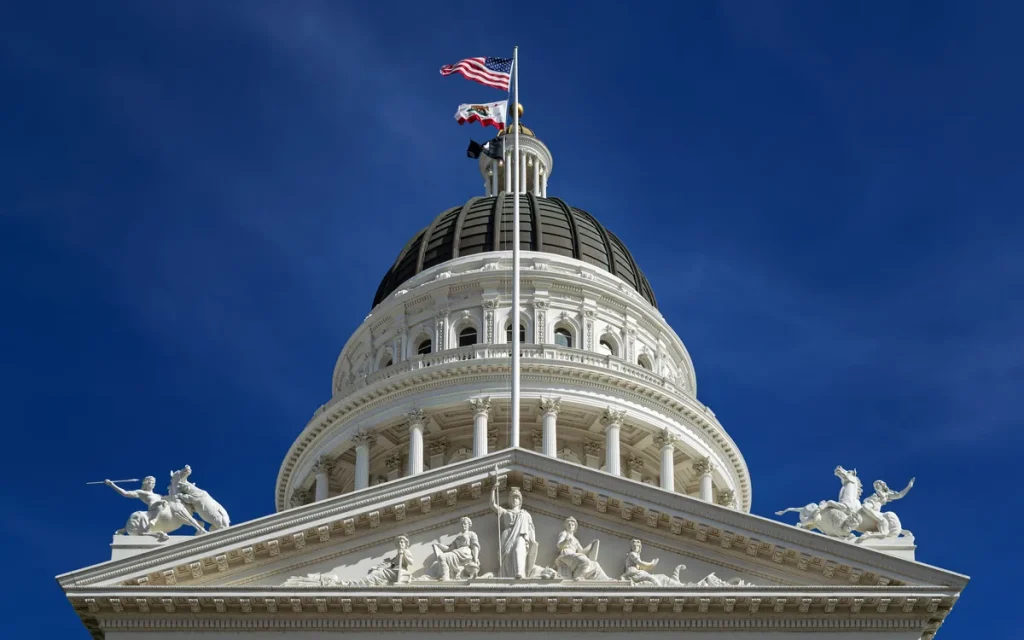
US District Judge David Carter rejected the department’s request last week, with the judge describing the federal demand as brazen pre-election interference in state election procedures. On Friday, a divided panel of the San Francisco-based 9th US Circuit Court of Appeals also refused to intervene, by 2-1, warning that forcing California to use the list could bar valid votes and jeopardise the Los Angeles County election. Circuit Judge Patrick Bumatay dissented, calling the government’s request reasonable.
The administration then went to the Supreme Court on Monday, the day before Election Day. The court’s application was presented to Justice Elena Kagan and referred to the full court, which denied it. The underlying lawsuit remains pending in the lower courts, so Monday’s order is an emergency, interim decision — not a final ruling on the merits of the case.
In a separate ruling on Monday, Chief Judge James Boasberg found that the administration’s last-minute demands of California election officials likely violated the Constitution’s Elections Clause, which commits authority over election rules to the states and Congress. That ruling is distinct from the Supreme Court’s order and should not be confused with it.
Why the timing mattered
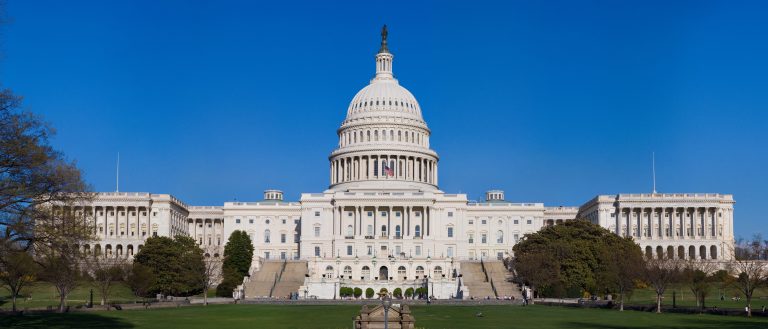
The dispute landed at the most sensitive possible moment: the eve of midterm elections in which all 435 House seats, 35 Senate seats and 36 governorships are on the ballot. The court’s swift action avoided injecting fresh uncertainty into California’s count on Election Day itself.
The case also follows an earlier Supreme Court decision in September rejecting the administration’s push to restrict mail ballots nationally, even though the justices have sided with the administration in a series of other emergency-docket appeals. Taken together, the two outcomes show a court that has not simply lined up behind either side in election litigation.
For voters, the practical effect is straightforward: the challenged ballots are not set aside under a special procedure, and California’s normal counting process continues. That does not mean the broader legal fight is over — the underlying lawsuit continues, and any future ruling could still affect how similar disputes are handled.
Related coverage: Trump Asks Supreme Court to Set Aside 20,000 California Mail Ballots on Election Eve
Frequently asked questions
What did the Supreme Court decide? It denied the Trump administration’s emergency request to force California to set aside mail ballots from about 20,000 voters, in a one-sentence unsigned order with no explanation and no public dissent.
Does this mean the 20,000 voters are citizens? No. The order does not decide any voter’s citizenship. The noncitizen status is an allegation by federal officials, and the underlying lawsuit is still pending.
What happens to the ballots now? California does not have to separate them under the procedure the administration sought, and counting proceeds under the state’s normal process.
Sources:
- Reuters via Nikkei Asia: US Supreme Court rejects Trump, lets California count all ballots — https://asia.nikkei.com/politics/u.s.-midterm-elections/us-supreme-court-rejects-trump-lets-california-count-all-ballots
- Associated Press via The Week: Supreme Court rejects Trump administration push to set aside thousands of California ballots — https://www.theweek.in/wire-updates/international/2026/11/03/supreme-court-rejects-trump-administration-push-to-set-aside-thousands-of-california-ballots.html
- USA Today: Supreme Court rejects Trump attempt to set aside some CA ballots — https://www.usatoday.com/story/news/politics/2026/11/02/supreme-court-trump-california-ballots-midterms-illegal-citizens/92566780007/
- The Economic Times: US Supreme Court snubs Trump admin in California ballots case — https://economictimes.indiatimes.com/news/international/world-news/us-supreme-court-snubs-trump-admin-in-california-ballots-case/articleshow/135478044.cms