A British health worker who tested positive for Ebola while working in the Democratic Republic of Congo has been flown back to the United Kingdom for specialist treatment, in the first confirmed case of a UK national contracting the virus during the current outbreak.
The man, who has not been identified, landed at RAF Northolt before being taken to a specialist infectious diseases unit at the Royal Free Hospital in north London, the BBC reported on Thursday, November 5. He is said to be in a stable condition.
The UK government confirmed the case on Wednesday, November 4. A government spokesperson said: “A British citizen currently in the DR Congo has tested positive for Ebola. The UK has well-established procedures for dealing with cases like this, and those processes have been activated. The risk to the UK public from Ebola remains low.”
First British case in the current outbreak
The patient is believed to have been sent to DR Congo by a humanitarian organisation to help with the outbreak response, Reuters reported, citing an official document. His identity has not been made public, and no details have been released about where in DR Congo he was based.
He is the first British national known to have been infected in the current outbreak, and the third person who has tested positive to return to Europe for treatment. The World Health Organization said it has supported several medical evacuations during the outbreak at the request of governments and aid organisations, but declined to comment on the individual case.
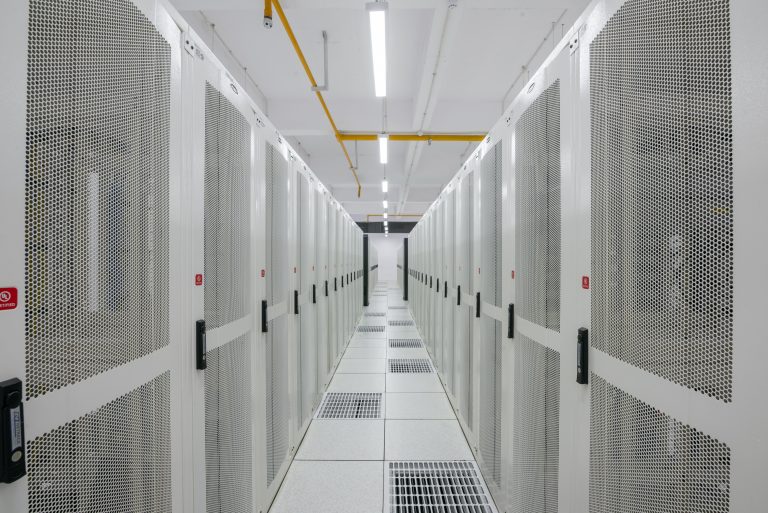
After landing at the military airfield, the patient was moved by specialist ambulance directly to the Royal Free Hospital’s high-level isolation unit. Sky News reported that the Royal Free in London and the Royal Victoria Infirmary in Newcastle are the two UK hospitals equipped with specialist high-consequence infectious disease units.
Why the Royal Free Hospital
The Royal Free Hospital is one of the most experienced centres in the country for treating Ebola. It cared for three health workers who were evacuated after the West Africa outbreak in 2014 and 2015, and all three recovered. Its specialist unit is built to isolate highly infectious patients while giving them intensive care.
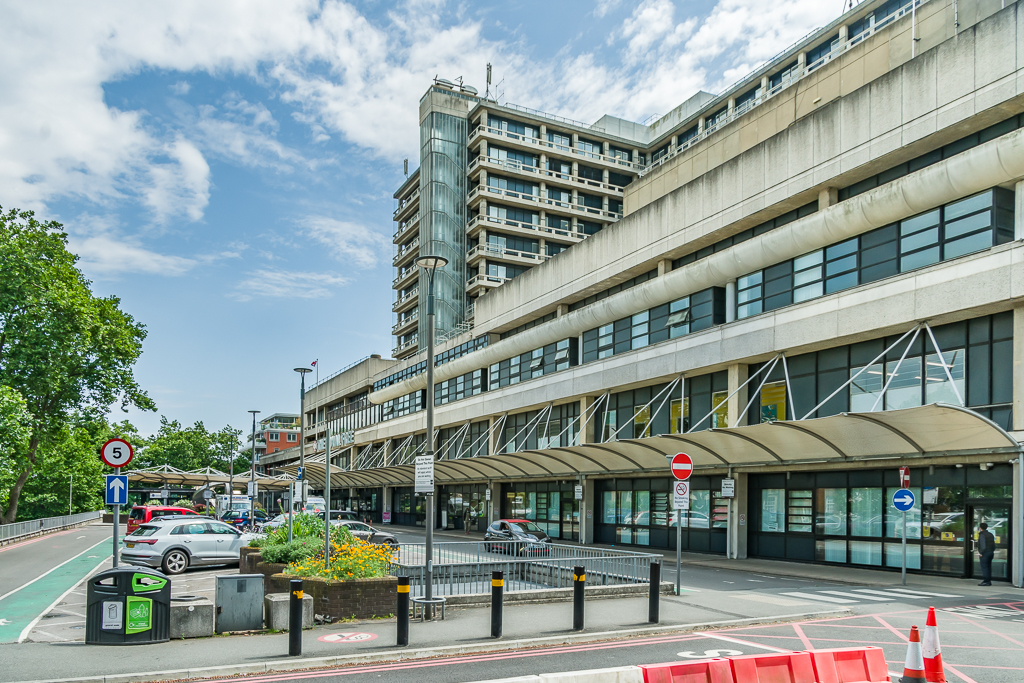
Only four confirmed cases of Ebola have ever been recorded in the UK: one in 1976 resulting from a laboratory incident, and the three health workers evacuated from West Africa. None of those cases resulted in a death.
Dr Damien Tully, an associate professor at the Medical Research Council and London School of Hygiene and Tropical Medicine Uganda Research Unit, described the case as “concerning, but not entirely unexpected”, noting that health workers are among those most exposed to the virus because they care for patients and handle the bodily fluids through which it spreads.
An outbreak that has killed more than 5,000 people
The case is a reminder of how far the latest outbreak in DR Congo has spread. More than 10,000 confirmed cases have been recorded since the outbreak began in May, and it has grown into the second most deadly recorded spate of infections, behind only the West Africa outbreak of the 2010s. More than 5,000 deaths have been recorded so far, and the authorities in DR Congo reported a fatality rate of 48.6 percent at the end of last month.
Cases have also been confirmed in neighbouring countries, including Kenya, Nigeria and Uganda. Containing the virus depends on finding cases quickly, tracing the people they have been in contact with, and isolating anyone who falls ill.
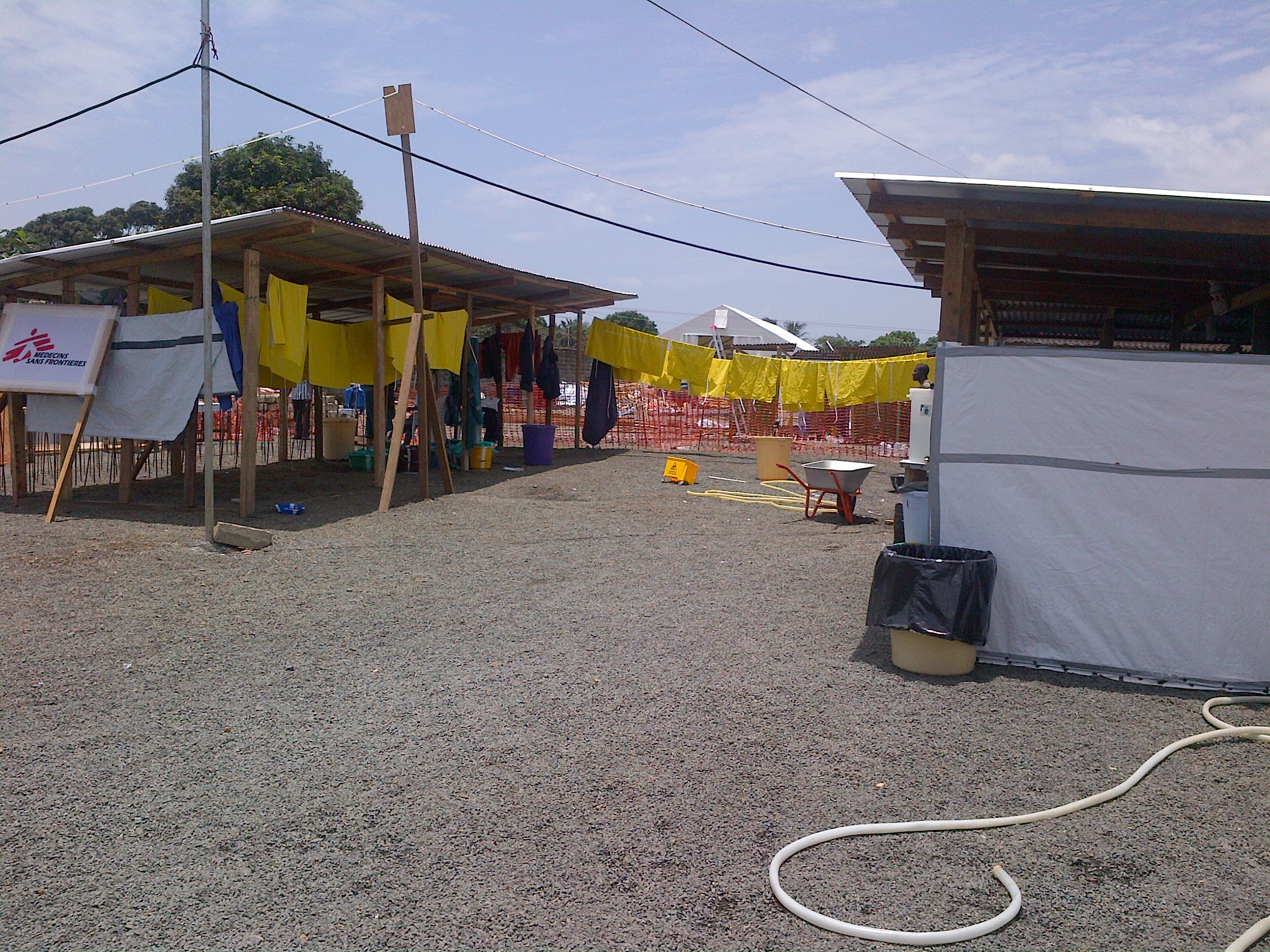
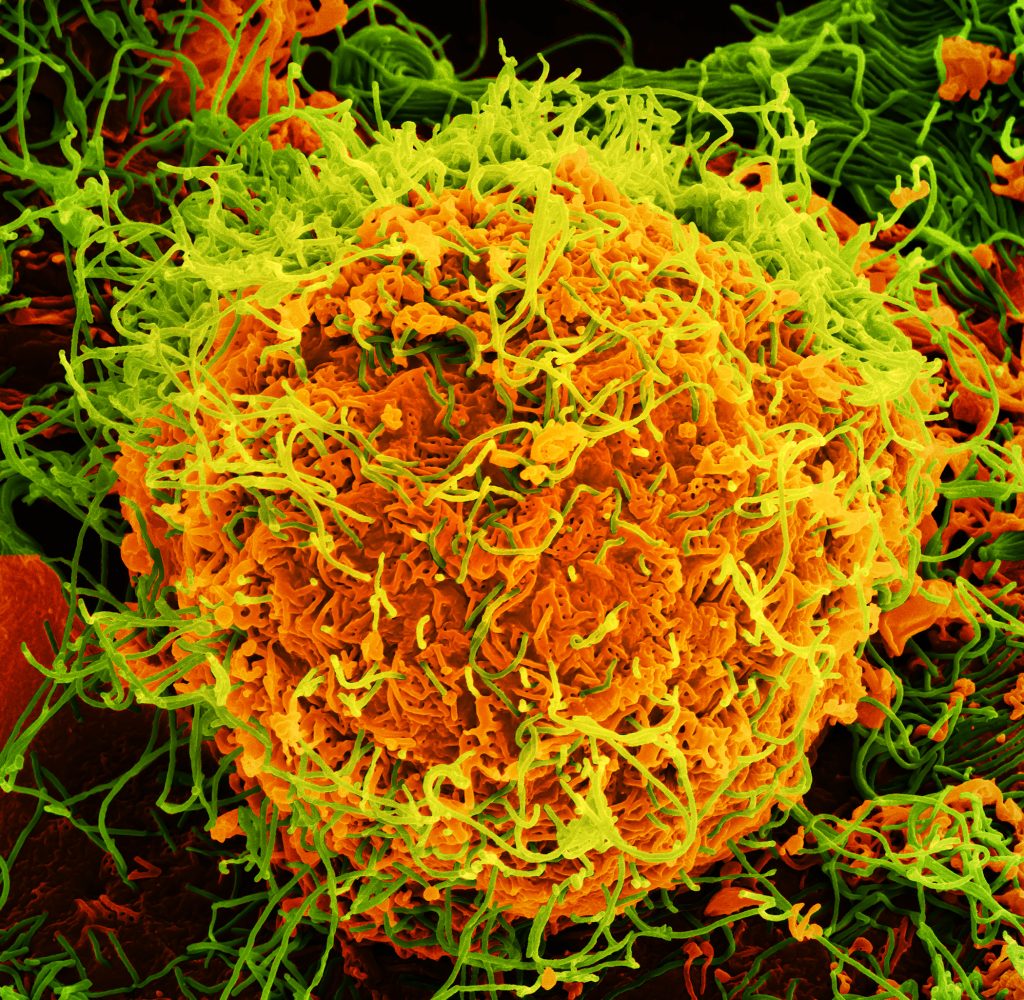
The outbreak is caused by the Bundibugyo variant of the virus. There is no approved vaccine for this strain: until now, the vaccines used against Ebola have been aimed at the Zaire strain. Stopping this outbreak has proved unusually difficult because the Bundibugyo variant is less well understood, the affected areas are remote with limited health infrastructure, and conflict and mistrust of outside health teams have slowed the response in some areas.
New vaccines offer hope
There is now some hope of new tools to fight the virus. The World Health Organization has said experts have recommended adding two new candidate vaccines to an ongoing clinical trial — one developed by the University of Oxford and the Serum Institute of India, and the other by Moderna. It will be the first time vaccines specifically designed to protect against the Bundibugyo virus are tested during an outbreak, but the trial is still at an early stage and the vaccines will only be offered once Congolese health authorities have given their approval.
The arrival of the patient in the UK is being treated as a contained medical evacuation rather than a public health emergency. The government has stressed that the established procedures are designed to keep the patient, the staff treating him and the wider public safe, and British authorities do not expect any disruption to international travel or trade.
Attention will now turn to how he responds to treatment and to whether the new vaccines can be rolled out quickly enough to slow the outbreak in DR Congo. For now, the focus there remains on tracing contacts, isolating cases and caring for the sick.
What is Ebola?
Ebola can cause serious illness and death. Early symptoms include vomiting and diarrhoea, and the illness can progress to organ failure and internal bleeding. It spreads through contact with the bodily fluids of a person who is ill, which is why health workers caring for patients are at particular risk.
Frequently asked questions
Who is the British Ebola patient?
His identity has not been made public. He is a British health worker who was deployed to DR Congo by a humanitarian organisation to support the Ebola response, and he is the first UK national known to have been infected in the current outbreak.
Where is he being treated?
At the Royal Free Hospital in north London, in its high-level isolation unit for highly infectious diseases. He landed at RAF Northolt and was taken there by specialist ambulance.
Is there a risk to the UK public?
The UK government and the UK Health Security Agency say the risk to the wider public is low, and the case is being handled as a contained medical evacuation, not a public health emergency.
How deadly is the current outbreak?
More than 10,000 confirmed cases and more than 5,000 deaths have been recorded since May, with a fatality rate of about 48.6 percent reported by DR Congo’s authorities.
Sources
- BBC News — British man infected with Ebola in DR Congo arrives in UK for treatment (November 5, 2026)
- Reuters — British healthcare worker with Ebola evacuated from DR Congo (November 5, 2026)
- Sky News — British Ebola case ‘concerning, but not entirely unexpected’, expert says (November 5, 2026)
- Arab News — British man being treated for Ebola in Congo is being evacuated to the UK (November 5, 2026)
- 3News — Ebola: British health worker in DR Congo flown to UK (November 5, 2026)