The World Health Organization has approved clinical trials for two new Ebola vaccines designed specifically for the strain behind the deadliest outbreak in the history of the Democratic Republic of the Congo, offering the first hope of a vaccine matched to the virus that has killed more than 5,300 people since May.
WHO Director-General Tedros Adhanom Ghebreyesus announced on Wednesday that the organisation’s expert groups had recommended adding the two experimental vaccines to an ongoing trial in the DRC. The candidates are the first ever developed to protect against the Bundibugyo strain of Ebola, the strain driving the current outbreak.
“Today, WHO expert groups are recommending adding two vaccine candidates to the trial,” Tedros told reporters, according to Al Jazeera.
Two vaccines built for the Bundibugyo strain
The two candidates are ChAdOx1 BDBV, developed by the University of Oxford in partnership with the Serum Institute of India, and mRNA-1469, developed by the American biotechnology company Moderna.
Both were designed specifically for the Bundibugyo virus. That matters because the only Ebola vaccine currently in use in the trial, Ervebo, was approved for the Zaire strain of the virus and is not designed to protect against Bundibugyo.
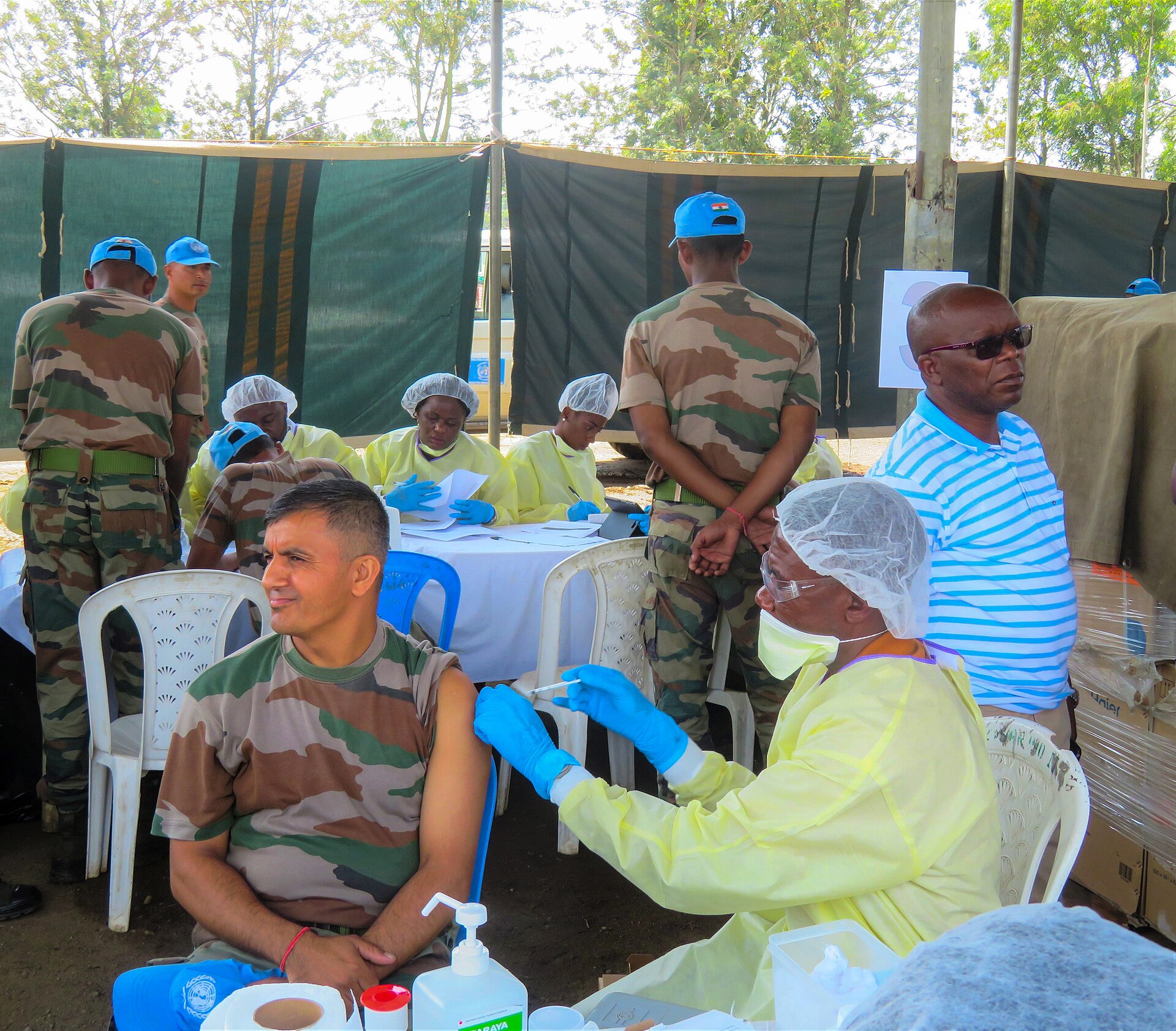
A vaccine trial using Ervebo began in the DRC last month. The two new candidates will now be added to that same study, known as the Tumaini trial, once the relevant national authorities approve their inclusion.
The trial is led by the DRC’s National Institute for Biomedical Research, with support from the WHO, the University of Antwerp, Epicentre, Médecins Sans Frontières, the Institute of Tropical Medicine of Antwerp and the Africa Centres for Disease Control and Prevention.
Why a new vaccine is needed
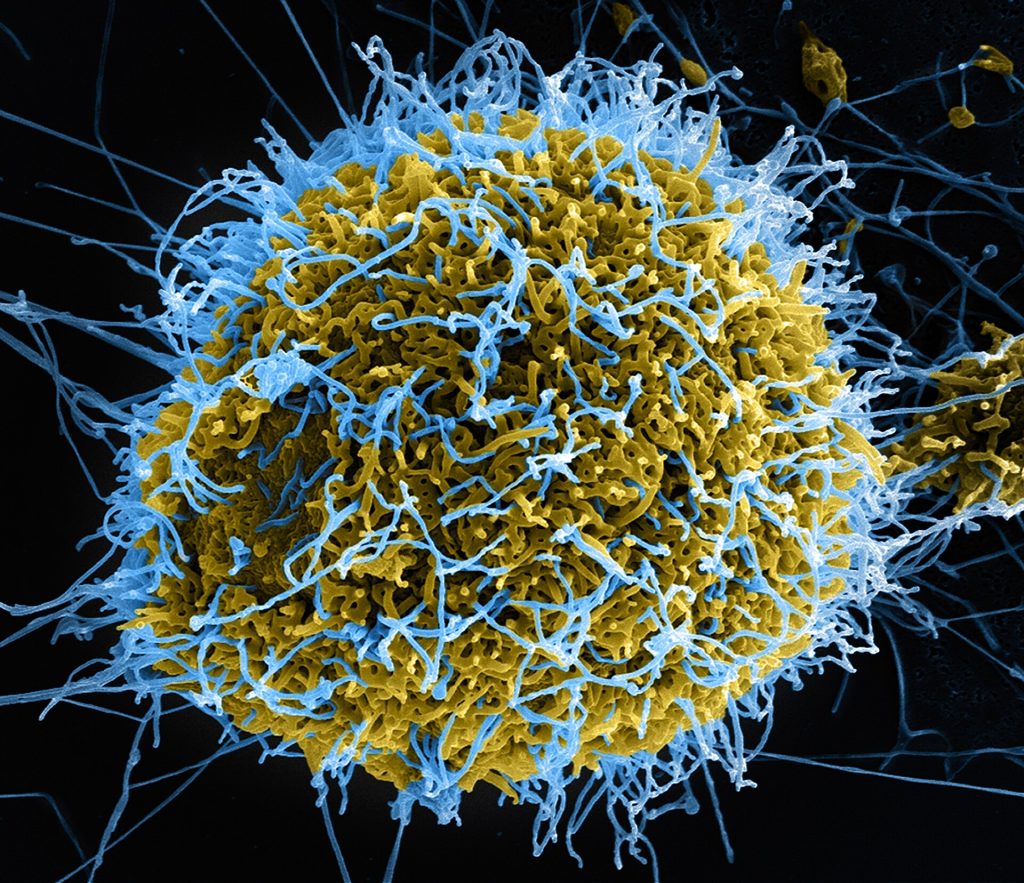
Ebola is not a single virus. The Zaire strain caused the devastating West Africa epidemic of 2014–2016, and the Ervebo vaccine was built to fight it. But the current outbreak in the DRC is caused by the Bundibugyo strain, a related but distinct virus against which no approved vaccine exists.
That gap has left doctors fighting the largest outbreak in the DRC’s history with treatments and a vaccine that were not designed for the virus in front of them. The WHO’s decision changes that: for the first time, vaccines built for Bundibugyo will be tested during an outbreak caused by that strain.
The Tumaini trial uses a ring-vaccination approach, in which the contacts of confirmed cases — and the contacts of those contacts — are vaccinated, creating a ring of protection around each case. The study is designed to evaluate several vaccine candidates within a single clinical trial.
Results from the vaccine trial are expected in early 2027, according to the WHO. Initial findings from related treatment trials are expected in the coming months.
An outbreak that has killed more than 5,300 people
The scale of the outbreak is what makes the announcement urgent. More than 5,300 people have died since the outbreak began in May, most of them in the DRC, according to data cited by the Africa Centres for Disease Control and Prevention, which put the toll at 5,376 as of 3 November.
The DRC’s health ministry gave a slightly lower figure — 5,163 deaths from 10,603 confirmed cases as of 2 November, a case fatality rate of 48.7 percent. The difference reflects the different dates and sources of the two counts, not a dispute about the scale: by either measure, this is the deadliest Ebola outbreak the DRC has ever recorded.
Tedros cautioned that vaccines alone would not bring the outbreak to an end. They could, he said, become an important additional tool in controlling the spread of the disease — alongside contact tracing, isolation of cases, safe burials and community engagement, the measures that have contained Ebola outbreaks before any vaccine existed.
What happens next
The two new candidates will join the Tumaini trial after approval by the DRC’s national authorities. The trial will then test whether they are safe and effective against Bundibugyo disease — something neither vaccine has yet been shown to do in people.
That distinction matters. The WHO’s announcement is a recommendation to add the candidates to a trial, not an approval of the vaccines for general use. Both are experimental, and their safety and effectiveness against Bundibugyo will only be established through the planned trial.
If the trial shows they work, the DRC — and the world — would for the first time have a vaccine designed for the Bundibugyo strain, a tool that could change how future outbreaks of this strain are fought. If it does not, doctors will be left with the same limited arsenal they have now.
For now, the outbreak continues. Health workers in the DRC are still tracing contacts, isolating cases and burying the dead safely, while the trial that could produce the first Bundibugyo vaccine moves to its next phase.
Related coverage: DR Congo Ebola Death Toll Passes 5,000 in Deadliest Outbreak on Record | US to Require Ebola Declaration From All International Air Travelers Starting November 3 | FDA Tentatively Approves First Generic Lenacapavir HIV Prevention Shot for 120 Countries at $40 a Year
What is still unknown
- How quickly the two new candidates can be added to the Tumaini trial, and when the first volunteers will receive them.
- Whether either vaccine is safe and effective against Bundibugyo disease in people — that is what the trial is designed to find out.
- Whether the new vaccines will change the course of the outbreak in the short term, or only help against future outbreaks.
- The final death toll: the Africa CDC and DRC health ministry figures differ slightly because they are counted on different dates.
Frequently asked questions
What did the WHO announce?
The WHO’s expert groups recommended adding two experimental Ebola vaccines — ChAdOx1 BDBV and Moderna’s mRNA-1469 — to an ongoing clinical trial in the Democratic Republic of the Congo. Both were designed specifically for the Bundibugyo strain of Ebola.
Why are new Ebola vaccines needed?
The current outbreak is caused by the Bundibugyo strain. The existing vaccine, Ervebo, was designed for the Zaire strain and does not protect against Bundibugyo. No approved vaccine exists for Bundibugyo yet.
How deadly is the current outbreak?
More than 5,300 people have died since May, most in the DRC, according to the Africa Centres for Disease Control and Prevention. The DRC health ministry reported 5,163 deaths from 10,603 confirmed cases as of 2 November — a case fatality rate of 48.7 percent. It is the largest Ebola outbreak in the DRC’s history.
When will trial results be known?
The WHO expects results from the vaccine trial in early 2027. The vaccines are experimental, and their safety and effectiveness against Bundibugyo disease have not yet been established.
Sources
- Al Jazeera — “WHO approves trials for two new Ebola vaccines” (4 Nov 2026): https://www.aljazeera.com/news/2026/11/4/who-approves-trials-for-two-new-ebola-vaccines
- MedicalXpress — “WHO approves clinical trials on two new Ebola vaccines” (4 Nov 2026): https://medicalxpress.com/news/2026-11-clinical-trials-ebola-vaccines.html
- Emirates News Agency (WAM) — “WHO approves clinical trials on two new Ebola vaccines” (5 Nov 2026): https://www.wam.ae/en/article/17idd1h-who-approves-clinical-trials-two-new-ebola
- The News Booth — “WHO Approves Two New Ebola Vaccine Candidates for Trial in DR Congo” (5 Nov 2026): https://www.thenewsbooth.co.ke/article/who-approves-two-new-ebola-vaccine-candidates-for-trial-in-dr-congo