The death toll from Ebola in the Democratic Republic of the Congo has passed 5,000, government data show, making the outbreak the deadliest ever recorded in the country and the second-deadliest Ebola outbreak in history.
Data from the Congolese Ministry of Health showed 5,026 people had died among 10,351 reported infections, a fatality rate of nearly 50 percent. The figures were announced on Friday, October 30, and reported by the Associated Press, Reuters and Al Jazeera on October 30-31.
An outbreak declared in May that is still not under control
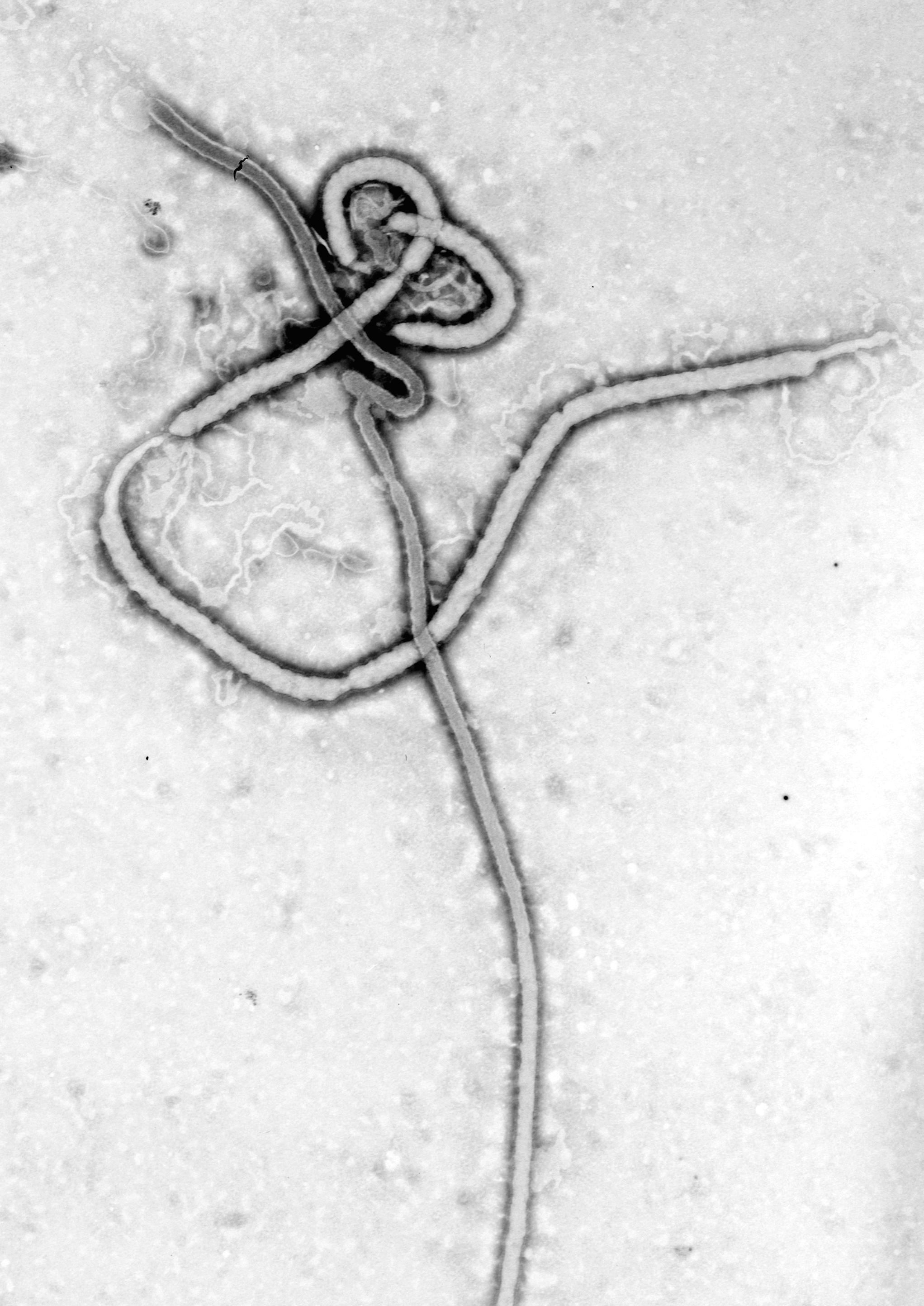
The outbreak, caused by the Bundibugyo species of Ebola virus, was declared in mid-May and caught authorities by surprise. It has since spread to 67 health zones across eight of the country’s 26 provinces, with the heaviest concentration in the eastern provinces of Ituri and North Kivu, which together account for 9,782 confirmed cases and 4,792 deaths.
Health officials say 2,788 people have recovered so far. But about one-third of recorded deaths happened outside treatment centres, before patients were tested, according to Dr Patrick Otim, a programme area manager with the World Health Organization — a sign of how far the virus is spreading beyond the reach of the formal response.
Ituri, a conflict-affected region in the north-east, is where the outbreak will largely be decided, officials say, because fighting between the government and local armed groups makes contact tracing, safe burials and treatment far harder.
Why this strain is so difficult to fight
There are no approved vaccines or specific treatments for the Bundibugyo virus, the Africa Centres for Disease Control and Prevention has said, although research is ongoing. Health workers treat patients based on their symptoms. That sets this outbreak apart from outbreaks caused by the better-known Zaire strain, for which vaccines and treatments exist.
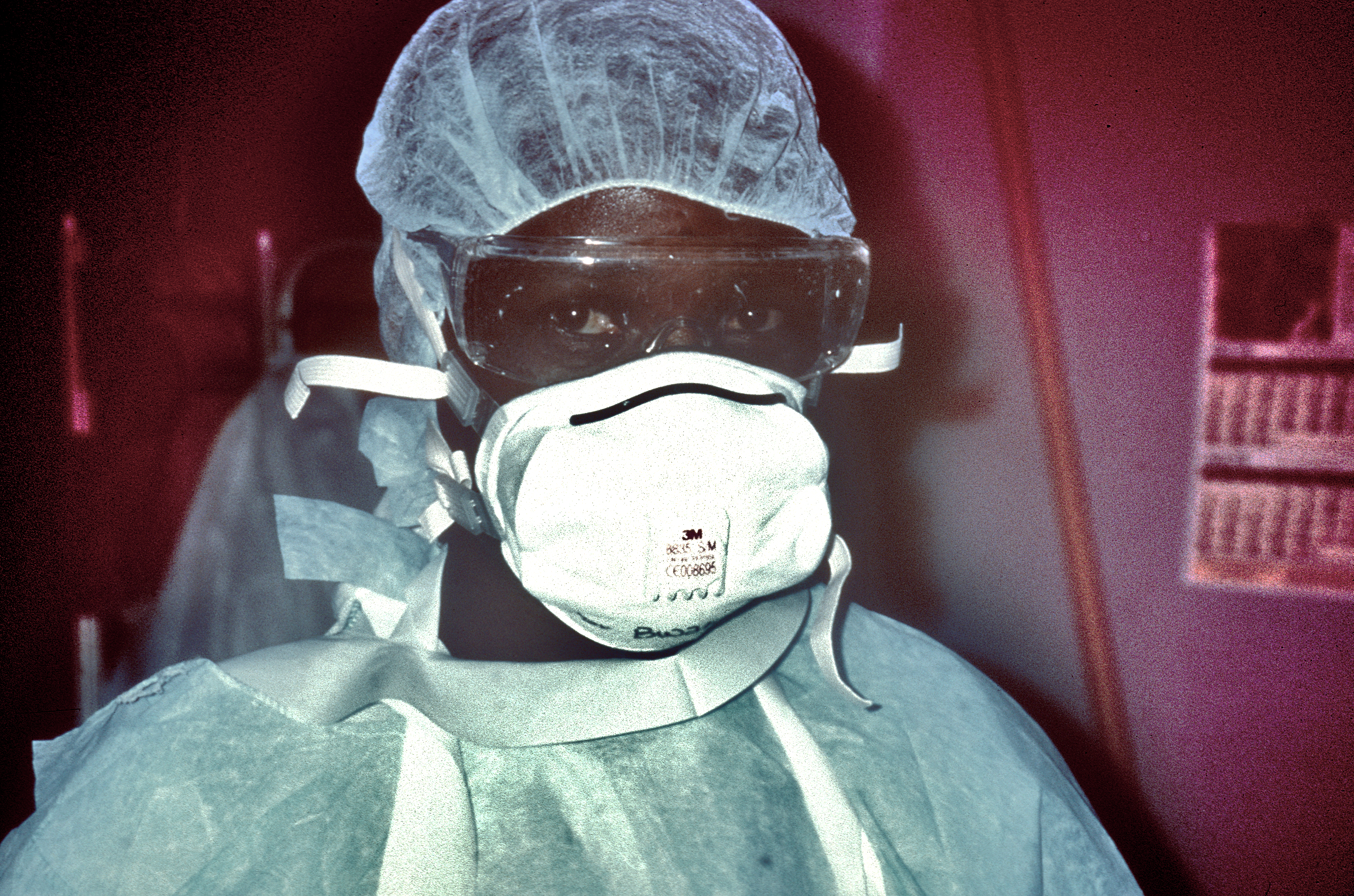
The current outbreak is already the second-largest ever recorded, behind only the 2014-2016 epidemic in West Africa that infected more than 28,600 people and killed more than 11,000 across Guinea, Liberia and Sierra Leone.
Cases beyond Congo raise regional concern
Cases linked to the outbreak have also been recorded in other African countries, fuelling concern about wider regional spread. Kenya has confirmed eight cases and two deaths, while Nigeria’s sole confirmed case was evacuated to Switzerland. On Friday, Saudi Arabia suspended travel to and entry from Kenya, according to the Saudi Press Agency.
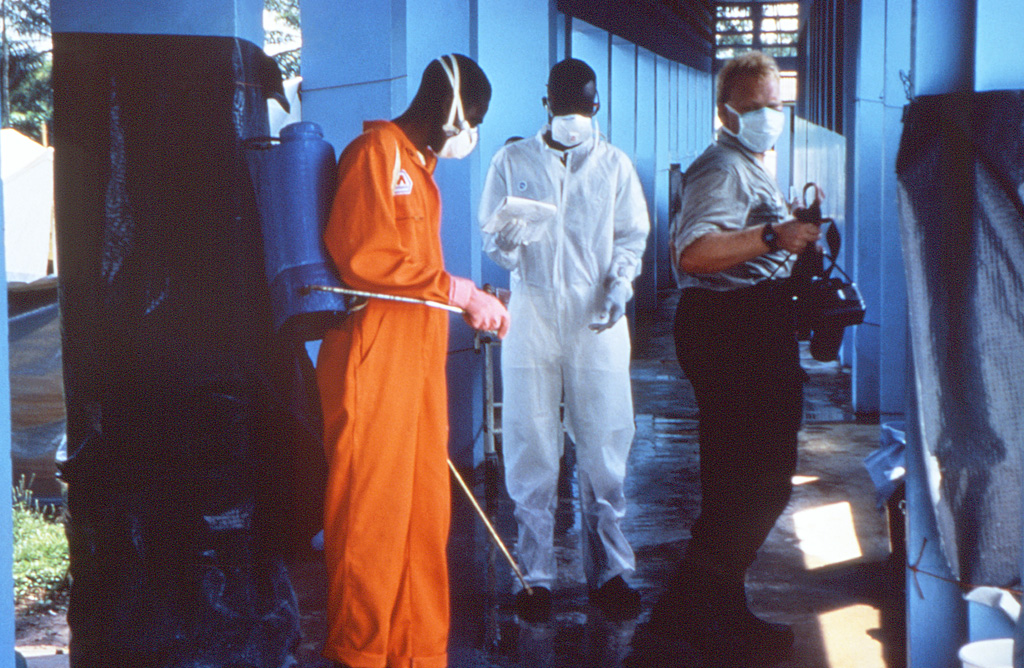
Africa CDC chief Jean Kaseya told African health ministers the continent is “not winning so far” against the outbreak, a warning that underlines how much work remains even as the death toll crosses this grim milestone.
What happens next
Health authorities say the priorities now are reaching patients in Ituri and North Kivu, expanding treatment and safe-burial capacity, and stopping transmission chains that are still spreading outside treatment centres. Until cases fall consistently, officials warn, the toll will keep rising.
Frequently asked questions
How many people have died in the DR Congo Ebola outbreak? 5,026 people had died among 10,351 reported infections, according to Congolese Ministry of Health data reported on October 30-31, 2026.
Which Ebola strain is behind this outbreak? The Bundibugyo species. There is no approved vaccine or specific treatment for this strain.
Is this the worst Ebola outbreak ever? It is the deadliest recorded in DR Congo and the second-deadliest globally, behind the 2014-2016 West Africa epidemic, which killed more than 11,000 people.
Sources
- Al Jazeera — Ebola death toll in DR Congo passes 5,000
- Associated Press via MedicalXpress — Congo’s Ebola deaths top 5,000 as fear of continent-wide spread mounts
- CGTN (Reuters) — DR Congo Ebola death toll surpasses 5,000 as outbreak spreads