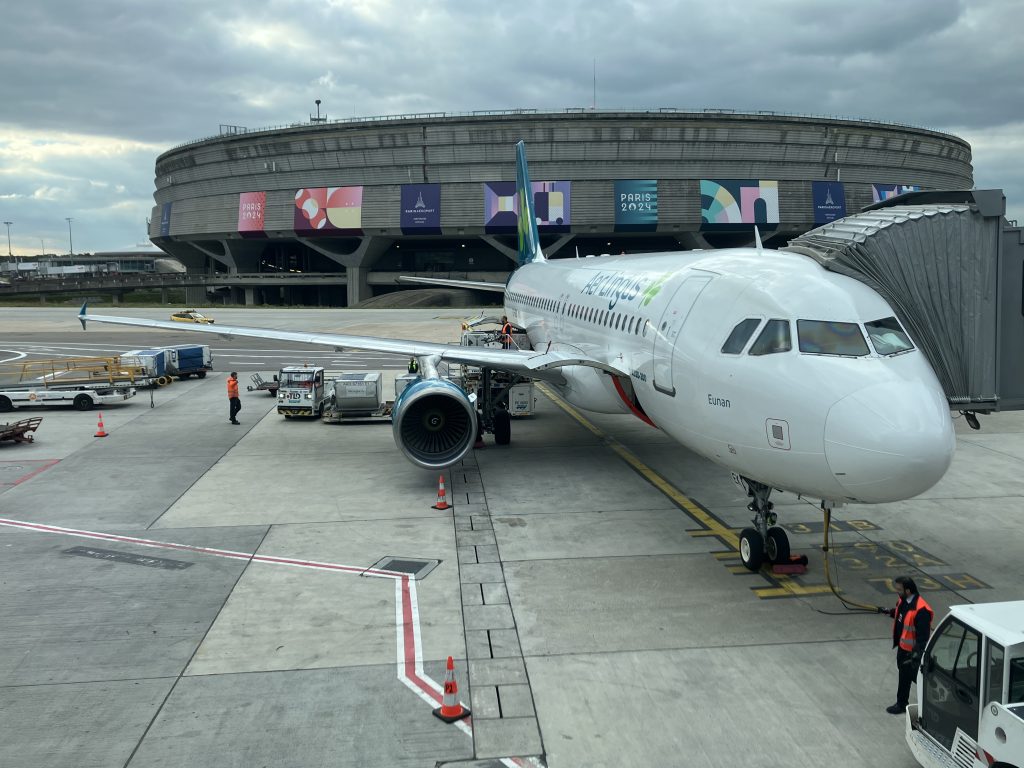
An Aer Lingus flight from Dublin to Rome was diverted to a French military air base on Thursday 5 November 2026 after a bomb threat, in the latest disruption during a third day of hoax alerts that have unsettled flights across Europe.
Flight EI402, an Airbus A320 carrying 151 passengers and six crew, landed at Évreux-Fauville Air Base in Normandy after being escorted by French fighter jets. No explosives were found on board, and no one was hurt. A second Rome-bound flight named in the same threat, Finnair AY1761 from Helsinki, was escorted by Italian jets into Rome and also landed safely.
The two diversions were part of a wider wave of threats reported on 5 November. The episode followed an earlier wave of bomb threats on November 3, when several flights and airports were also targeted and searched, with nothing found.
What happened to flight EI402
EI402 left Dublin at 06:24 on 5 November, bound for Rome Fiumicino Airport. The aircraft was over Paris when air traffic control alerted the crew to the threat. The crew squawked 7700, the international code for a general emergency, turned west, and headed for Évreux, about 100 km west of Paris.
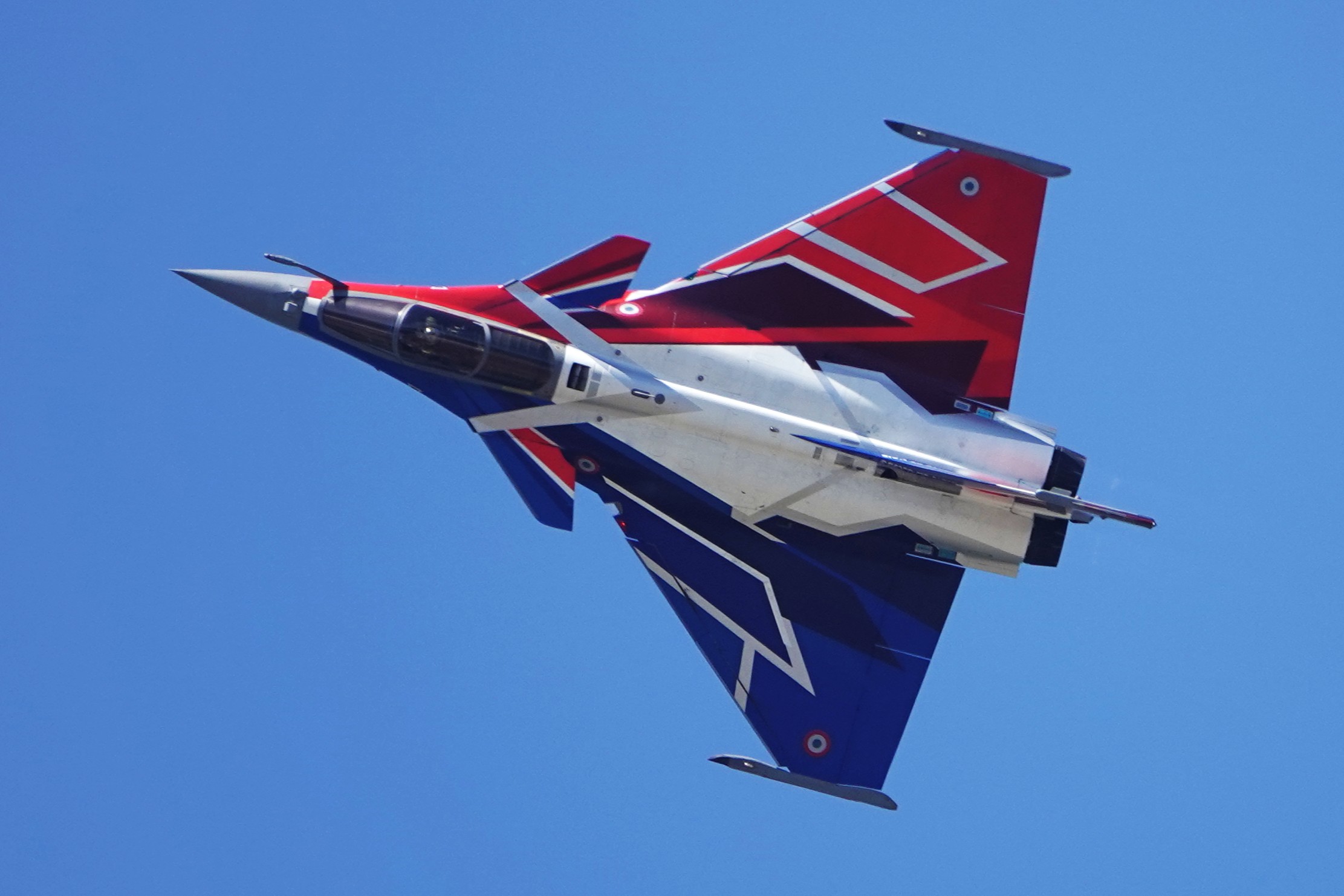
French fighter jets escorted the aircraft to Évreux-Fauville Air Base, where it landed shortly after 10:00 local time. All 151 passengers and six crew — 157 people in total — were moved to a safe location while French military bomb disposal teams and sniffer dogs searched the aircraft. No explosives were found.
The landing brought the flight to a halt, but it ended without injury and without any device being found. For the passengers on board, the outcome was the one that mattered most: everyone was safe, even as the search of the aircraft continued on the ground.
The threat email
According to reports, an email sent to Rome Fiumicino Airport named two Rome-bound flights — Aer Lingus EI402 from Dublin and Finnair AY1761 from Helsinki — and claimed explosives were aboard. It warned that an explosion would occur in 60 minutes.
The message was signed by people calling themselves “Fighters of the Male State”. Reporting describes “Male State” as a Russian ultranationalist, misogynistic movement founded in 2016 by Vladislav Pozdnyakov, and says the Rome threat emails contained misogynistic messages. The claims made in the email itself have not been verified, and no explosives were found on either aircraft named in it.
Finnair AY1761 was escorted by Italian Air Force jets into Rome Fiumicino and landed safely. Searches of that aircraft found nothing suspicious.
Why the plane went to a military base
Évreux-Fauville is a French Air Force base, not a civilian airport, and the decision to send a passenger aircraft there has become a point of dispute between French officials and the airline.
The French prime minister’s office said the pilot “did not cooperate as expected with authorities” and that the prime minister ordered jets to intercept the aircraft. Évreux prosecutor Rémy Coutin told AFP the pilot had “allegedly refused” to land at the military base, “preferring a civilian airport”. He said the pilot and co-pilot were questioned and an investigation had been opened.
Aer Lingus gave a different account. The airline said the airline and its pilots “fully cooperated with the French authorities regarding this matter”.
The two accounts have not been reconciled in public reporting. What is not in dispute is that the aircraft was escorted to Évreux, landed safely, and was searched without any explosives being found. What instructions were given while the aircraft was in the air, how they were understood, and why Évreux was chosen remain questions for the investigation that has now been opened.
A third day of hoax threats across Europe
Reports of the scale of the disruption on 5 November differed. AFP reported about 20 flights hit, while The Guardian reported at least 25 and Reuters/RTÉ reported at least 27. The range reflects the different counts available as the day unfolded, rather than a single confirmed total. It was the third day of hoax bomb alerts across Europe, and more than 30 flights were disrupted across the week, according to a Guardian tally.
Other flights were caught up in the same wave. A Ryanair flight from London to Sofia diverted to Plovdiv, and a Wizz Air flight from Milan to Warsaw was re-routed to Vienna. Similar diversions have happened in earlier alerts, including an Austrian Airlines flight diverted to Sofia after a bomb threat.
The UK government described the threats as malicious hoaxes. No explosives were found on any inspected aircraft. The pattern — threats sent by email, fighter jets scrambled, aircraft searched on the ground, and nothing found — has repeated across the three days, causing delays and diversions even though none of the threats has proved real.
What happens next
The French investigation opened after the Évreux landing will examine the threat email, the decisions made in the air, and the dispute over the choice of airport. The pilot and co-pilot have already been questioned, according to the Évreux prosecutor.
For travellers, the advice remains practical: check flight status with the airline before travelling, allow extra time at the airport, and expect security checks to take longer while the alerts continue. Airlines and airports across Europe are continuing to treat each threat seriously, searching aircraft even when the pattern points to a hoax, because the cost of ignoring a genuine warning would be far greater than the disruption caused by a search.
Frequently asked questions
Was anyone hurt?
No. All 151 passengers and six crew on flight EI402 were moved to a safe location after landing at Évreux, and no explosives were found. No one was hurt on the Finnair flight either.
Who sent the threats?
An email sent to Rome Fiumicino Airport named the two Rome-bound flights and was signed by people calling themselves “Fighters of the Male State”. Reporting describes “Male State” as a Russian ultranationalist, misogynistic movement founded in 2016 by Vladislav Pozdnyakov. An investigation has been opened, and the claims in the email have not been verified.
Is flying in Europe safe?
No explosives were found on any aircraft inspected during the wave of alerts, and the UK government has described the threats as malicious hoaxes. Flights have continued to operate, with diversions and searches when threats are received. Passengers should check with their airline for the latest status of their flight.
Sources
- Malay Mail (AFP) — Hoax bomb threats hit European flights
- Travel Extra — Another day of hoax bomb threats in Europe’s skies
- EconoTimes (ANSA) — Threat email prompts fighter escorts for two Rome-bound flights
- JBizNews (BBC/Fox) — Aer Lingus flight to Rome lands at French military base after bomb threat