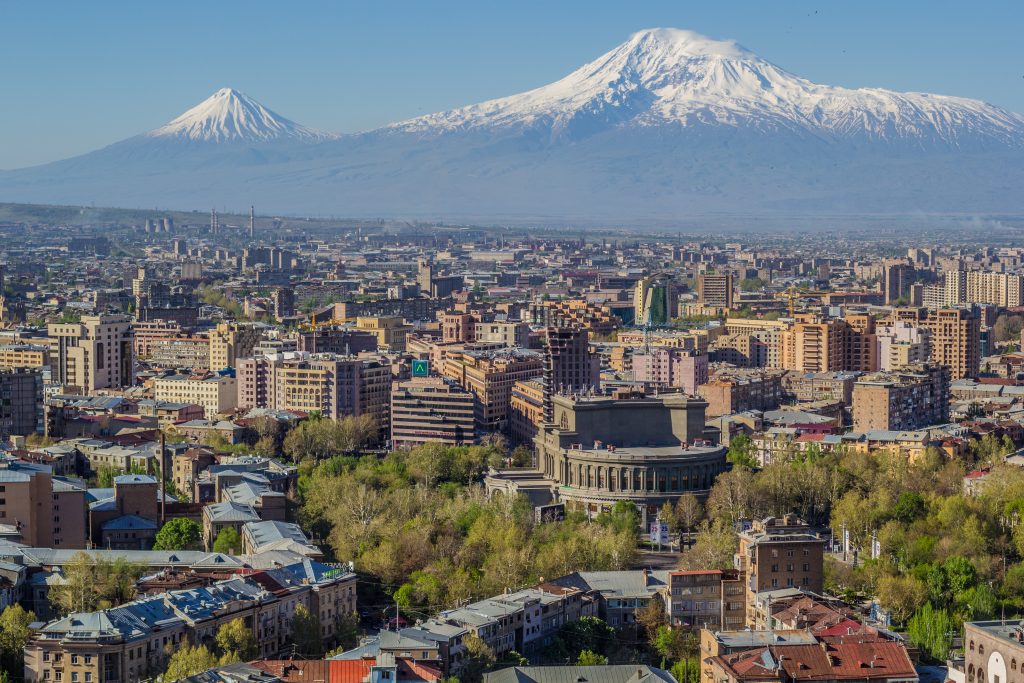
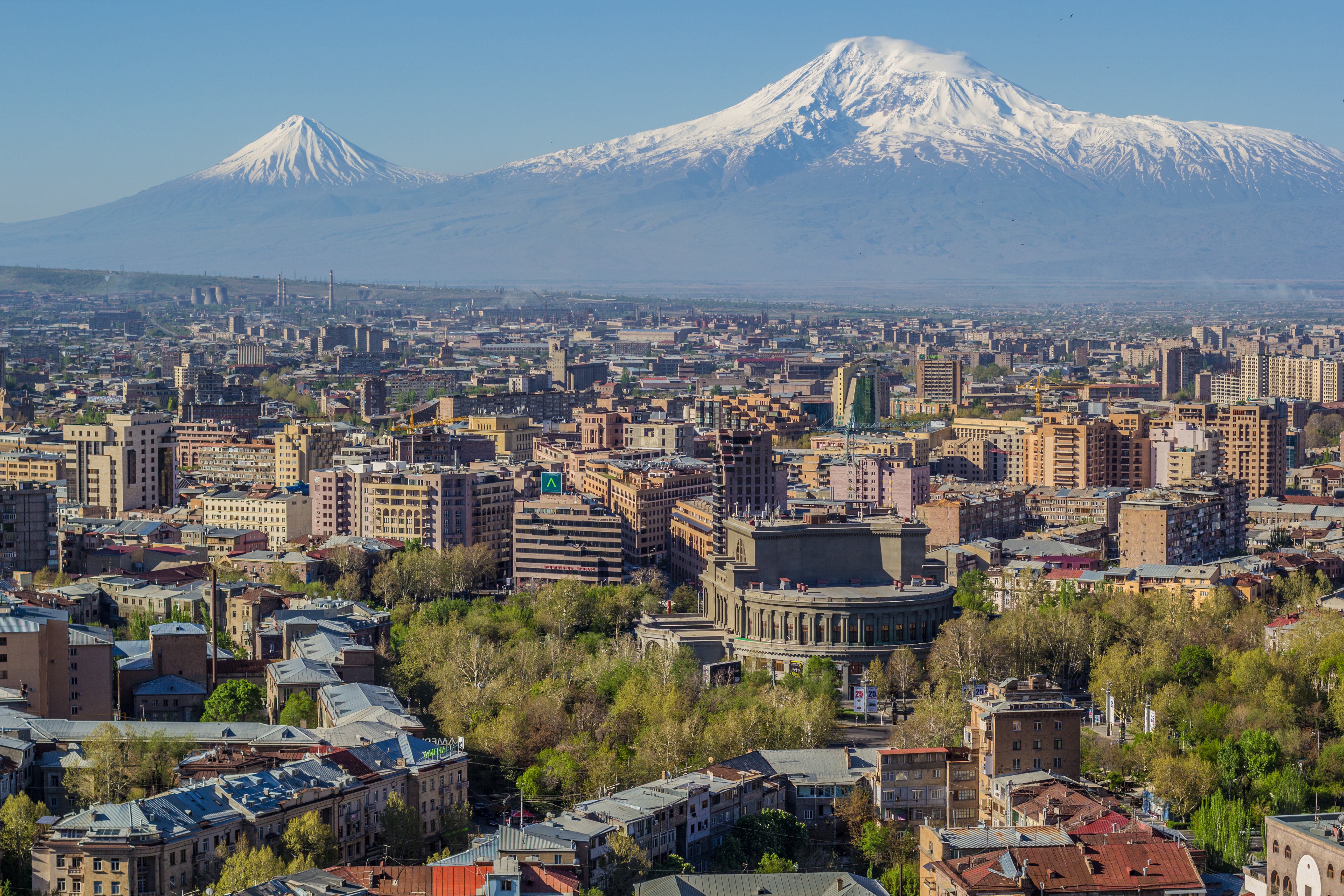
Nearly 200 nations adopted hard-fought agreements on October 30 at the UN biodiversity summit in Yerevan, Armenia, aimed at putting the world’s faltering efforts to halt nature’s destruction back on track by 2030.
Delegates cheered as the crucial texts were approved in overtime following two weeks of tense negotiations at COP17, the 17th meeting of the Conference of the Parties to the UN Convention on Biological Diversity. “And that’s it. Perfect,” COP17 president Hambardzum Matevosyan said to applause as he brought down the gavel on the documents.
One important caveat: the final versions of the adopted texts were not immediately available, and it was not immediately clear which of the draft’s competing options made the final cut. This article reports the adoption itself and the known background, not details of texts that have not yet been published.
Why the summit mattered
The world adopted a historic pact in 2022 — the Kunming-Montreal Global Biodiversity Framework — setting 23 targets to halt and reverse biodiversity loss by 2030, including protecting 30% of Earth’s land and oceans, tackling pollution and providing poorer countries with greater conservation finance.
But ahead of COP17, the UN warned that countries would fail to meet the goal unless they urgently correct course. Most objectives are falling short: fewer than half of parties’ national targets are on track, and current commitments would protect only about 26% of land and 12% of sea by 2030.
What divided the talks
Negotiators wrangled over how to get the 2030 pledge back on track, with core disputes over reforming subsidies and incentives harmful to nature — such as fossil fuels, intensive agriculture and overfishing — over conservation finance for poorer countries, and over corporate contributions to a near-empty UN conservation fund.
A draft text had called on countries to “accelerate” efforts to keep the pact alive and stressed that “increased action” was needed to tackle the root drivers of nature loss, while offering different options for what that action should be. A much-anticipated global review of progress toward the pledges — the first of its kind — was also unresolved for much of the talks.
Catherine Weller from Fauna & Flora told AFP the text “needed to respond to the irrefutable evidence that we are off track for our 2030 deadline, and while not particularly exciting or detailed, it’s good news that countries could reach agreement.”
The finance gap
Money was central to the dispute. Countries committed in 2022 to raise $200 billion a year by 2030 for biodiversity, but raised only between $75 billion and $92 billion a year from 2023 to 2025, according to OECD data cited by the Associated Press. A UN report released during COP17 said restoration must triple, with annual restoration financing reaching $296 billion by 2030, up from $64 billion now.
The summit was also expected to decide whether Panama or Ecuador will host the next biodiversity summit in 2028. COP17 has 196 parties — 195 nations plus the European Union. The United States is not a party to the treaty, so the agreement’s Tier-1 weight runs through the UK, Canada, Australia and European parties rather than Washington.
What happens next
The test of the Yerevan agreements will be the final published texts and whether governments turn them into funded action: faster protection of land and sea, subsidy reform, and finance that reaches poorer countries. With four years left to the 2030 deadline, conservation groups say the summit’s value will be judged not by the applause in Yerevan but by the pace of implementation that follows. At a smaller scale, beavers are set to return to Loch Ness after 500 years.
Frequently asked questions
What is COP17? The 17th meeting of the Conference of the Parties to the UN Convention on Biological Diversity, held in Yerevan from October 19 to 30, 2026, under the theme “Taking Action for Nature.”
What was agreed? Delegates adopted the summit’s crucial texts in overtime on October 30. The final versions were not immediately public, so the precise wording of every provision is not yet confirmed.
What is the 2030 goal? To halt and reverse biodiversity loss by 2030, including protecting 30% of land and oceans, under the 2022 Kunming-Montreal framework’s 23 targets.
Sources
- AFP via Straits Times, “UN nature summit agrees crucial texts at COP17” (October 31, 2026): https://www.straitstimes.com/world/nations-struggle-for-deal-as-uns-cop17-nature-talks-go-down-to-the-wire
- Dawn, “UN nature summit in extra time as nations grapple for deal” (October 31, 2026): https://www.dawn.com/news/2041116
- AFP via Malay Mail, “Deal still eludes nations on final day of UN nature summit” (October 30, 2026): https://www.malaymail.com/news/world/2026/10/30/deal-still-eludes-nations-on-final-day-of-un-nature-summit/241226
- Associated Press via Daily Sabah, “Nations lag on funding pledges to protect global biodiversity”: https://www.dailysabah.com/life/environment/nations-lag-on-funding-pledges-to-protect-global-biodiversity