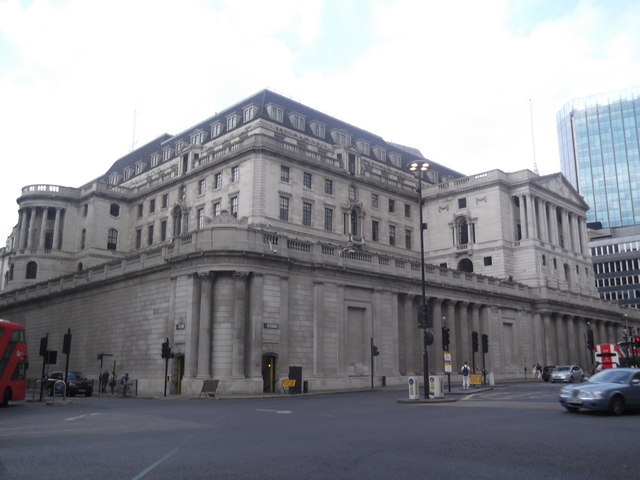
The Bank of England raises interest rates for the first time in more than three years, lifting Bank Rate from 3.75% to 4% on Thursday 5 November 2026. The decision, announced at noon in London, comes as policymakers warn that UK inflation could climb to about 5% by the middle of next year, driven by higher energy prices linked to the conflict in the Middle East.
The Bank of England’s Monetary Policy Committee voted 8–1 in favour of the quarter-point rise. Catherine Mann, an external member of the committee, voted for a larger half-point increase that would have taken Bank Rate to 4.25%. Notably, all nine members backed higher rates — the disagreement was over how far to go, not whether to move.
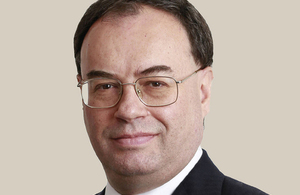
Governor Andrew Bailey said the increase should not be seen as the start of a long run of rises, but warned that at least one more increase was likely if the conflict in the Middle East continues to push energy prices higher.
The decision in detail
The quarter-point rise ends a run of six meetings without a change since the Bank cut Bank Rate to 3.75% in December 2025. At its September meeting, the committee had held rates by 6–3, with Mann, Megan Greene and chief economist Huw Pill already voting for an increase. This time, Greene and Pill joined the majority for a rise, leaving Mann alone in calling for a bigger move.
The vote was more hawkish than financial markets had expected. A Reuters poll had anticipated at least one vote to hold rates unchanged; instead, there was no vote to hold at all.
The Bank’s new forecasts, published in its November Monetary Policy Report, show consumer price inflation averaging about 4.5% in the first quarter of 2027 and close to 5% in the second quarter, before easing back to the Bank’s 2% target in the third quarter of 2028. The Bank also raised its forecast for UK economic growth in 2027 to 1.3%, while warning that activity is likely to weaken over the coming quarters and unemployment could reach 5.1% in 2028.
Why the Bank acted now
Inflation is the driving force. UK consumer price inflation reached 3.5% in September, up from 3.1% in August and well above the Bank’s 2% target. Energy alone added around one percentage point to the annual rate.
The Bank said the conflict in the Middle East, now in its ninth month, had pushed energy prices higher again, and that the pressure on prices already in the pipeline was enough to justify an increase. In the minutes of the decision, Mann said she was concerned about “non-linear inflation risks” and saw the rise in inflation as a potential trigger for a loss of confidence in the Bank.
The decision puts the Bank of England on a different path from some of its peers. The US Federal Reserve and the European Central Bank have been cutting rates, while the Bank of Canada also raised its rate recently. The Bank of England’s move reflects its judgement that the energy shock hitting the UK economy needs a response now, even at the cost of higher borrowing costs for households and businesses.
What it means for households and businesses
For most people, the change will be felt first through borrowing costs. Anyone on a tracker mortgage will see their monthly payments rise, and lenders are likely to reprice new fixed-rate deals in the coming days. Savers, on the other hand, may see slightly better rates on savings accounts, although banks are often slower to pass on increases to savers than to borrowers.
The Bank Rate sets the cost of borrowing across the UK economy. At 4%, it returns to the level last seen before the December 2025 cut, and it remains well below the 5.25% peak reached in 2023.
Businesses facing higher energy bills will also face higher borrowing costs, adding to the squeeze on firms already dealing with rising costs. The Bank acknowledged that economic activity is likely to weaken, but judged that acting on inflation now was the priority.
Market reaction
Financial markets took the decision largely in their stride. The pound was little changed after the announcement, trading at about $1.3471 shortly after midday in London. In government bond markets, the two-year gilt yield rose to 4.76% from 4.74% at the previous close, while the 10-year yield was little changed at 5.14%.
The muted reaction reflects the fact that a rise had been widely expected. What surprised markets was the absence of any vote to hold rates — a signal that the committee is more united behind tighter policy than had been thought.
What happens next
- The Monetary Policy Committee’s next decision is due on Thursday 17 December 2026.
- Governor Bailey said policy is not on a pre-set path and decisions will be taken meeting by meeting.
- The committee is split on how far rates may need to rise, and its members disagree on the likely extent of further increases.
- Further hikes are likely if the Middle East conflict continues to push energy prices higher, the Bank warned.
- Inflation data in the coming months — and any change in the energy outlook — will shape the December decision.
Background
The Bank of England last raised interest rates in August 2023, when Bank Rate reached a peak of 5.25%. Rates were then cut in stages through 2024 and 2025, reaching 3.75% in December 2025, where they stayed for six meetings.
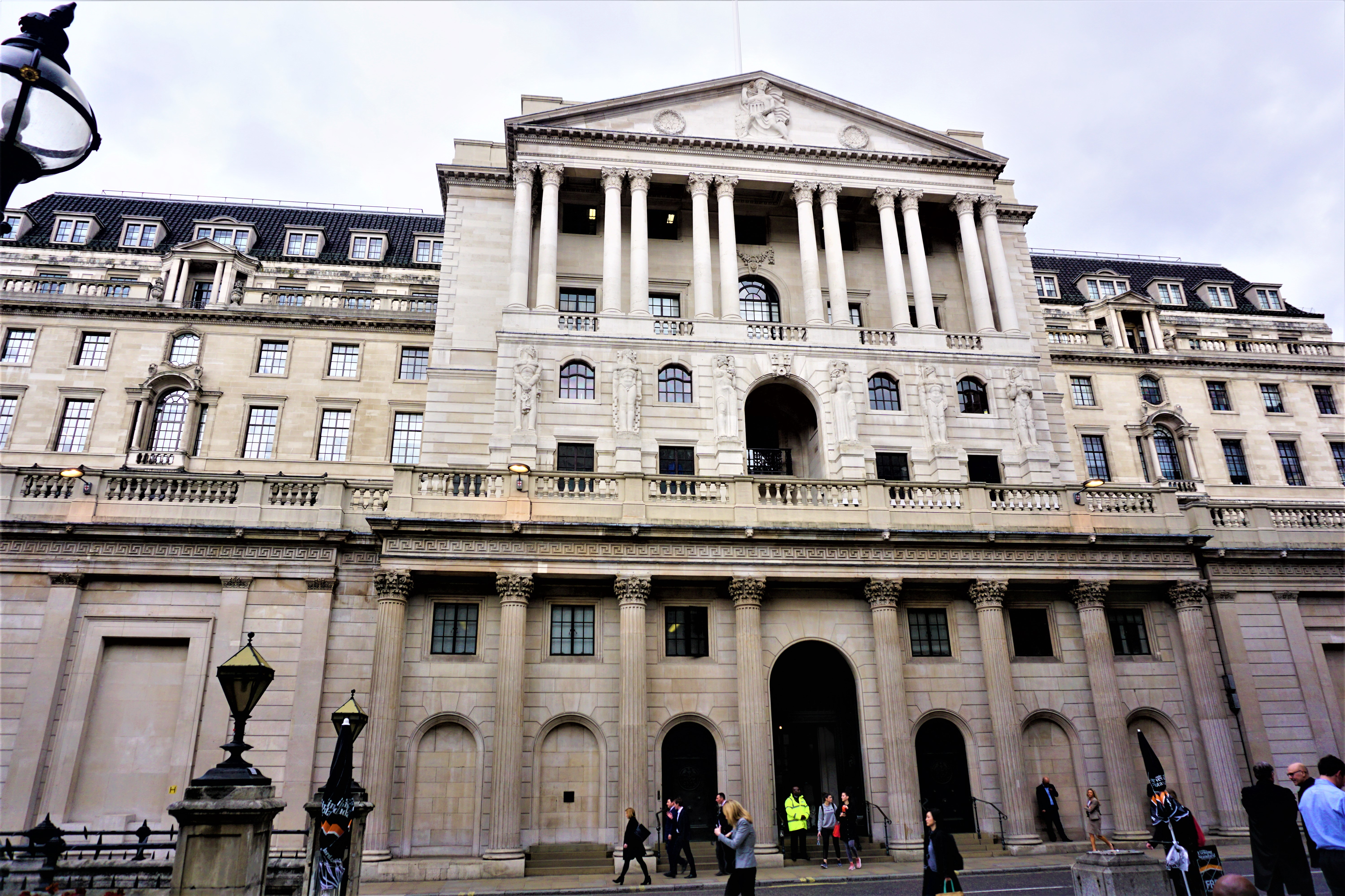
The November decision is the first increase of the current cycle and the first time the Bank has raised rates while inflation is being driven mainly by an external energy shock rather than domestic demand. The Bank’s task now is to bring inflation back to 2% without pushing the economy into a deeper slowdown.
Frequently asked questions
Why did the Bank of England raise interest rates?
The Bank raised Bank Rate to 4% because inflation had risen to 3.5% in September and is forecast to reach about 5% by mid-2027, driven mainly by higher energy prices linked to the conflict in the Middle East.
How did the Monetary Policy Committee vote?
The committee voted 8–1 for a quarter-point rise to 4%. Catherine Mann voted for a larger half-point rise to 4.25%. All nine members supported higher rates.
When is the next interest rate decision?
The next decision is due on Thursday 17 December 2026. The Bank has not committed to raising rates again and says decisions will be taken meeting by meeting.
What does the rate rise mean for mortgages?
Borrowers on tracker mortgages will see payments rise, and new fixed-rate deals are likely to be repriced. Savers may see slightly better returns, though banks are often slower to pass increases on to savers.
Sources
- Reuters, “Bank of England raises rates for first time since 2023, says more may come”, 5 November 2026: https://www.businessday.co.za/world/europe/2026-11-05-bank-of-england-raises-rates-for-first-time-since-2023/
- Bank of England, Monetary Policy Summary and Minutes, November 2026: https://www.bankofengland.co.uk/monetary-policy-summary-and-minutes/2026/november-2026
- Money Marketing, “Bank of England raises interest rates for the first time in three years”, 5 November 2026: https://www.moneymarketing.co.uk/news/bank-of-england-raises-interest-rates-for-the-first-time-in-three-years/
- SourceFirstNews, “Bank of England lifts interest rates to 4% in 8-1 November vote”, 5 November 2026: https://sourcefirstnews.com/bank-of-england-raises-rates-4-percent-november-2026