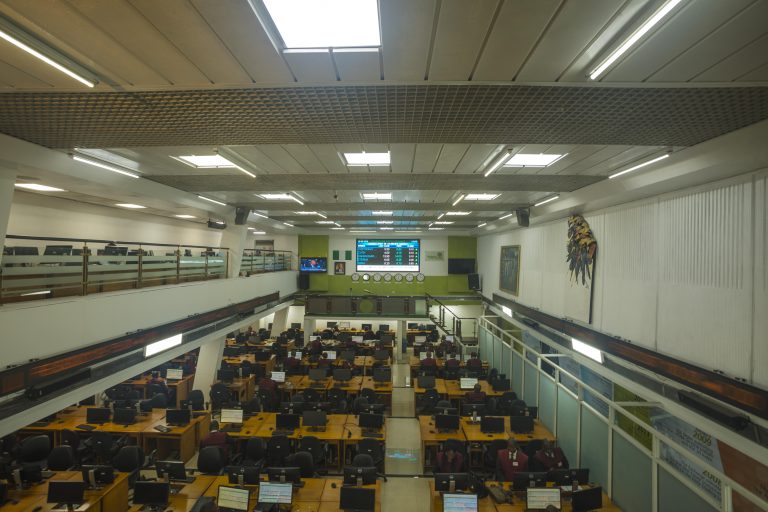
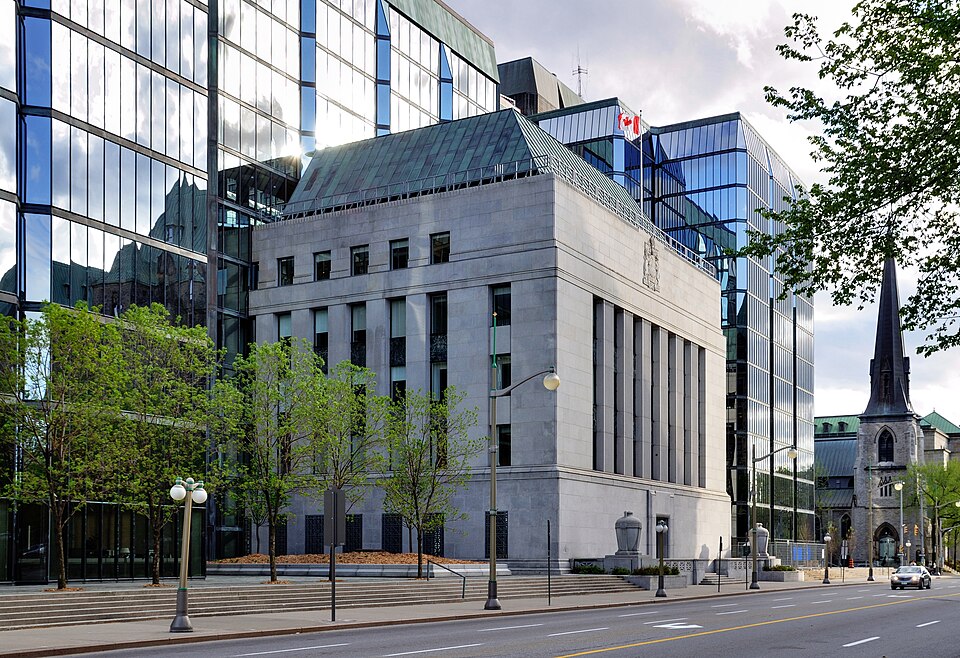
Two of the world’s major central banks are heading toward rate rises within days of each other, driven by the same problem: energy prices pushing inflation higher and threatening to spread through the wider economy. Neither decision has been made yet — what follows is what markets and economists expect, and what could still change the outcome.
Bank of Canada: decision on Wednesday, October 28
The Bank of Canada announces its decision at 9:45 a.m. Eastern Time on Wednesday, October 28, alongside its Monetary Policy Report. Its overnight rate currently stands at 2.25%.
A Reuters poll of 34 economists, conducted October 21–23, found 19 of them — 56% — expect a quarter-point rise to 2.50%. That would be the bank’s first move in a year and its first rate increase since July 2023. It is also a sharp reversal: in the previous poll, 80% of respondents expected the rate to stay at 2.25% until the end of 2026.
What changed the outlook was inflation and expectations. Canadian inflation rose to 3.1% in September, just above the bank’s 1% to 3% target range, while the bank’s latest business outlook and consumer surveys showed sharply rising inflation expectations. Governor Tiff Macklem has signalled the bank’s quarterly inflation forecasts, due with the decision, are likely to be revised higher because of persistently high oil prices. Markets moved with him: futures pricing went from about a 30% chance of an October hike to around three in four.
The same Reuters poll points to one more quarter-point rise by the end of March 2027, taking the rate to 2.75%, which would make it the shortest Bank of Canada tightening campaign in 30 years if it plays out that way.
But the hike is not unanimous, and the dissent matters. TD Securities expects the bank to hold at 2.25% on Wednesday, arguing there is not yet enough evidence that high oil prices are broadening into core inflation, and pointing to softer employment, a weak housing market and uncertainty over US tariffs. TD instead expects hikes in December and January, also ending near 2.75%.
The distinction in the data is real: while headline inflation hit 3.1%, the bank’s preferred core measures remained below 2%, the midpoint of its target range, and recent data have not shown higher crude prices trickling into food prices or other items. That is why economists describe the expected move as pre-emptive — an attempt to stop energy-led inflation from spreading, rather than a response to broad price rises already under way.
Bank of England: decision on Thursday, November 5
Eight days later, the Bank of England announces its decision at noon UK time on Thursday, November 5, with the meeting minutes and its Monetary Policy Report. Bank Rate currently stands at 3.75%.
A Reuters poll of 63 economists, conducted October 12–14, found 54 expect a quarter-point rise to 4%. That is another sharp swing: in September, around 90% of economists expected rates to stay unchanged for the rest of 2026.
The trigger was September inflation, which rose to 3.5%, up from 3.1% in August and above economists’ expectations. Core inflation rose to 2.8% and services inflation to 3.7%, making it harder to dismiss the increase as a temporary energy shock. At the September meeting, the Monetary Policy Committee had already split 6–3 to hold at 3.75%, with three members voting for an immediate rise to 4% — so only two more votes would carry a hike in November.
If it happens, it would be the Bank of England’s first rate increase since 2023. Markets have gone further, pricing around four quarter-point rises by the end of 2027, to 4.75%. Senior voices are pushing back on that path: chief economist Huw Pill has said he is sceptical of market expectations, Deutsche Bank’s base case is 4.25% by February 2027 and then a hold, and Morgan Stanley expects rises in November and February and then a hold. The November decision, in other words, may start a short adjustment rather than a long series of rises.
Why both banks are moving together — and what it means
The common thread is energy. Persistently high oil prices, linked to the ongoing Middle East conflict and supply disruption, have lifted fuel costs in both countries. Central banks cannot produce more oil or lower world energy prices; what a rate rise can do is reduce the chance that a first-round energy shock spreads into wages, services and longer-term inflation expectations.
For households and businesses, the practical effect of any rise is higher borrowing costs at a difficult moment — both economies are growing slowly, and Canada’s growth is forecast at just 1.0% in 2026. That tension is exactly why both decisions are close calls rather than formalities, and why the statements and forecasts published with each decision will matter as much as the rate itself.
Readers should also keep the calendar straight: the Bank of Canada decides first, on October 28, and its forecasts may shape expectations for the Bank of England on November 5. The Bank of England’s next decision after November is December 17.
Related reading: US Consumers Have Paid $471 More for Fuel Since the Iran War Began, Study Finds and RBI Raises Repo Rate to 5.5% in First Hike.
What to watch next
- Wednesday, October 28, 9:45 a.m. ET: Bank of Canada decision and Monetary Policy Report — rate, vote split if disclosed, and revised inflation and growth forecasts.
- Thursday, November 5, noon UK time: Bank of England decision, minutes and Monetary Policy Report — vote split and whether the bank signals further rises or a pause.
- Any sign that energy prices are feeding into food, housing or wage data in either country — the evidence both banks say would confirm or undermine the case for further rises.
FAQ
Has the Bank of Canada already raised rates? No. The October 28 decision has not been announced. A majority of economists in a Reuters poll expect a rise to 2.50%, but that is a forecast, and TD Securities expects the bank to hold.
Has the Bank of England already raised rates? No. Its next decision is November 5. Most economists in a Reuters poll expect a rise to 4%, but that is also a forecast.
Why would banks raise rates when growth is weak? Because they fear energy-driven inflation becoming persistent. A pre-emptive rise aims to keep inflation expectations anchored, even though it raises borrowing costs in the short term.
Will mortgages and loans immediately move to the new rate? Not automatically. Central-bank policy rates influence lenders’ funding costs, but the rates households and businesses actually pay are set by lenders and vary by product.
Sources
- Reuters — Bank of Canada to raise rates to 2.50% on October 28 and once again by end-March: https://www.reuters.com/world/americas/bank-canada-raise-rates-250-october-28-once-again-by-end-march-2026-10-23/
- Reuters — Bank of Canada expected to hike rate on Wednesday to stem spillover of energy inflation: https://www.reuters.com/world/americas/bank-canada-expected-hike-rate-wednesday-stem-spillover-energy-inflation-2026-10-26/
- HomeOwners Alliance — Latest UK interest rate forecasts (Reuters poll of 63 economists, BoE): http://hoa.org.uk/news/interest-rate-predictions-2/
- Mortgage One — Next Bank of England meeting, 5 November: https://www.mortgageonefinance.co.uk/news/next-bank-of-england-meeting
- FXStreet — Bank of Canada: October hold despite market pricing (TD Securities): https://www.fxstreet.com/news/bank-of-canada-october-hold-despite-market-pricing-td-securities-202610261458