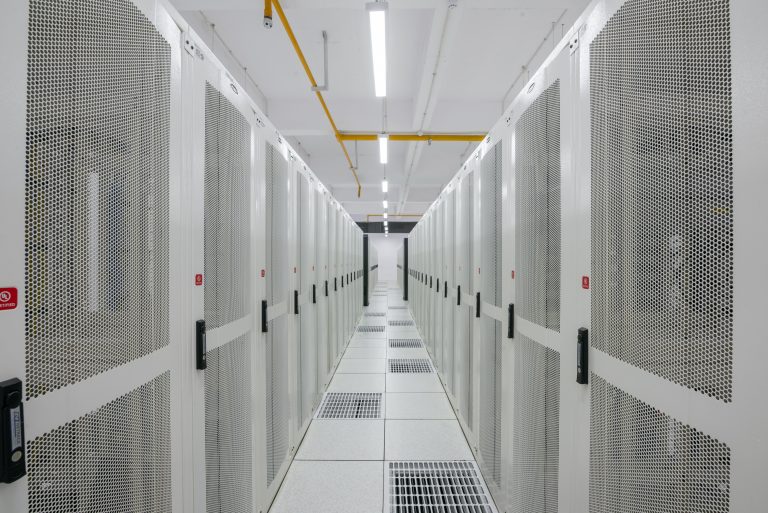
The Nasdaq fell about 5% on Thursday, confirming a correction as chip stocks plunged on worries over massive spending on artificial intelligence and tighter scrutiny of data-centre expansion.
The tech-heavy index ended the session more than 10% below its record closing high of 27,599.89, reached on October 6 — the threshold widely considered a correction. It is the Nasdaq’s second correction this year.
The selloff wiped out the previous day’s post-election rally in a single session. On Wednesday, the Nasdaq had gained 1.44%, the Dow had jumped 3% to close at 53,356.12, and the S&P 500 had risen 1.6%.
What happened on Thursday
The Nasdaq Composite dropped about 5% on Thursday, according to the New York Post, which put the fall at 5.1%. Reuters reported during the session that the index had fallen nearly 4% to 24,712.60, already more than 10% below the October 6 record close. At 11:07 a.m. ET, the index was down 5.24% at 24,386.72.
The Nasdaq 100 fell 6.24%, the S&P 500 lost 3.3%, and the Dow Jones Industrial Average fell 1,097 points, or 2.1%. An exchange-traded fund tracking US-listed semiconductor stocks sank more than 12%.
Chipmakers led the rout. Qualcomm dropped 9%, AMD tumbled 7.34%, and Nvidia and Broadcom each fell about 5%, according to Startup Fortune’s account of the close, citing CNN and Reuters reporting. Intraday lows were deeper: AMD was down more than 15% and Nvidia more than 8% during the afternoon session.
Companies tied to the data-centre boom were hit hardest. So-called “neocloud” firms CoreWeave and Nebius plunged 14.6% and 18% respectively, while data-centre operators Iren and Applied Digital fell 20% and 19.7%. Equipment maker GE Vernova dropped 9.2%.

Why stocks fell
Reuters tied the drop to worries over AI spending and closer scrutiny of data-centre expansion after Democrats won both chambers of Congress in the midterm elections. Investors fear the new Congress will slow the pace of data-centre projects and hit revenue at top AI companies.
Sentiment toward AI-linked stocks has deteriorated in recent weeks. The Nasdaq shed more than $2.5 trillion in market value in October, according to Reuters, as investors reassessed the scale of AI infrastructure spending.
Company results added to the pressure. Arm fell after its royalty revenue missed expectations despite an earnings beat, and Qualcomm dropped on a weak outlook and concerns about memory shortages.
The Nasdaq 100 was on track for its biggest daily decline since April 2025, and the index was about 5% from bear-market territory at one point in the session, according to The National.
What a correction means
A correction is generally defined as a decline of at least 10% from a recent high. A close at or below about 24,840 would put the Nasdaq 10% below its record close of 27,599.89 — a level the index fell well below on Thursday.
Corrections are common in stock markets and do not by themselves mean a bear market — a fall of 20% or more — is coming. History shows the Nasdaq has recovered from most of its past corrections within months, though a minority went on to become bear markets.
The question traders are now watching is whether the Federal Reserve steps in to cushion the fall. As of Thursday, CME’s FedWatch tool put the odds of a 25-basis-point rate cut at the Fed’s December meeting at 69%.

What happens next
– Markets will watch whether the selloff continues into Friday or stabilises after the sharpest one-day drop in months.
– Chipmakers’ earnings and guidance remain in focus, with memory-chip supply and AI spending plans under scrutiny.
– Any signal from Congress on data-centre regulation could move the sector again.
– The Federal Reserve’s December meeting is the next big event for rate expectations.
Frequently asked questions
What is a stock market correction?
A correction is a decline of 10% or more from a recent high. The Nasdaq confirmed one on Thursday by closing more than 10% below its record close of 27,599.89 set on October 6.
How much did the Nasdaq fall on Thursday?
About 5%, according to reports of the close. The Nasdaq 100 fell 6.24% and the S&P 500 lost 3.3%.
Why did chip stocks fall?
Investors worried about massive AI spending and tighter scrutiny of data-centre expansion after the Democrats’ midterm sweep, while Arm and Qualcomm results disappointed.
Is this a bear market?
No. A bear market is a fall of 20% or more from a high. The Nasdaq is about 5% from bear-market territory at its lows, based on Thursday’s session.
Sources
– https://www.channelnewsasia.com/business/nasdaq-set-confirm-correction-ai-spending-worries-mount-6528326
– https://nypost.com/2026/11/05/business/nasdaq-plunges-into-correction-territory-as-dem-wins-threaten-data-centers-ai-giants-rush-to-stem-fallout/
– https://startupfortune.com/nasdaq-falls-into-correction-as-midterm-results-spook-chip-stocks/
– https://www.ndtvprofit.com/markets/three-reasons-why-us-stock-market-crashed-after-super-rally-nasdaq-sheds-3-s-p-500-cracks-2-12289082/amp/1
– https://srnnews.com/nasdaq-set-to-confirm-correction-as-ai-spending-worries-mount/