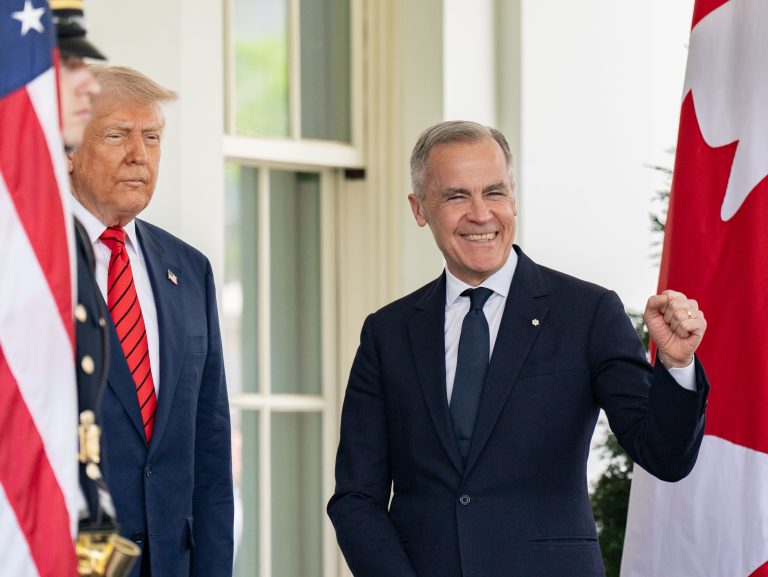
The Trump administration has launched a new federal program that pays members of the public between $10,000 and $30,000 for tips about fraud against the government — and, in a first for a US whistleblower scheme, the money is promised at the moment criminal charges are filed, not after a case ends. The program, called the Fraud Whistleblower Incentive Program, or WHIP, was announced by President Donald Trump and Vice President JD Vance at the White House on Tuesday, October 20, with the Justice Department publishing the rules the same day.
Key Takeaways
- WHIP pays awards of $10,000 to $30,000 for original information that leads to criminal charges in covered fraud cases.
- The Treasury Department is committing $25 million to the program, administered by the Department of Justice.
- Tips are submitted at america.gov/fraud; you must include contact information to be eligible for an award.
- Health-care fraud — especially hospice, home health, day care and special-services fraud — is the top priority, alongside fraud in programs run by the Agriculture, Labor, HHS, HUD, Education, Veterans Affairs, War and SBA departments.
- Awards are in addition to, not instead of, older whistleblower programs run by the IRS and under the False Claims Act.
What Happened?
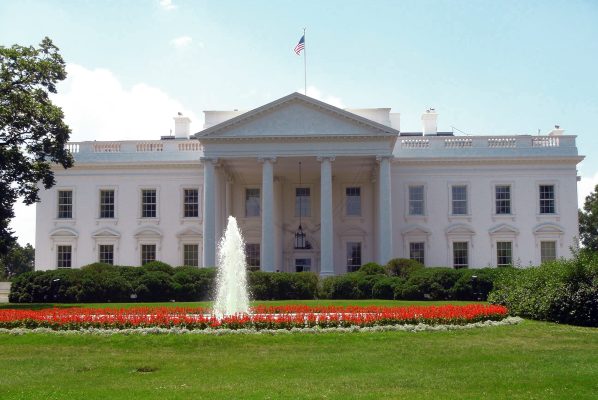
President Trump and Vice President Vance unveiled the program at an Oval Office event on Tuesday afternoon. The Justice Department’s announcement, issued the same day, describes WHIP — formally run as the Fraud Rewards Program — as “the first ever whistleblower rewards program that pays an up-front award for tips leading to criminal charges.”
Attorney General Todd Blanche presented the scheme as part of a broader anti-fraud drive. The program was designed in under three weeks: a Justice Department directive dated October 1, 2026, signed by Assistant Attorney General Colin M. McDonald of the National Fraud Enforcement Division, ordered it created, and the department said it was ready nineteen days later. It supports the White House Task Force to Eliminate Fraud, which Vance chairs.
The first award was announced at the launch itself: a $10,000 cheque for Nick Shirley, the independent video journalist whose footage of alleged fraud at Minnesota childcare centres helped trigger federal investigations earlier this year.
How the Rewards Work
Under the published rules, the Justice Department pays an award of between $10,000 and $30,000 when information supplied by a whistleblower leads to criminal charges being filed in one of the covered subject areas. Two features set WHIP apart from older schemes:
- It pays early. Most federal whistleblower programs, including the IRS program and False Claims Act cases, pay only after a case is resolved and money is recovered — a process that can take years. WHIP pays once charges are filed.
- The amount is fixed, not a percentage. Awards are capped at $30,000 regardless of the size of the fraud, although the final decision on whether to pay, and how much within the range, rests with the Justice Department’s “sole discretion,” according to the announcement.
The Treasury Department is committing $25 million to fund the awards. Whistleblowers who qualify under WHIP remain eligible for additional awards under other federal programs, including the Criminal Division’s Corporate Whistleblower Awards Pilot Program.
At Tuesday’s event, President Trump went further than the written rules, saying tipsters could also receive a 1% commission on money recovered in large cases and describing himself as the final “arbitrator” of award decisions, according to the New York Post’s report of the event. Neither the commission nor an arbitrator role appears in the Justice Department’s published program documents, and the White House has not published full program rules beyond the department’s announcement and terms page.
What Kind of Fraud Counts?
The program covers two broad areas:
- Federal health-care offences and related crimes, with an explicit priority on hospice fraud, home health-care fraud, day care fraud and special-services fraud.
- Fraud against government programmes and benefits administered by the Departments of Agriculture, Labor, Health and Human Services, Housing and Urban Development, Education, Veterans Affairs and War, and the Small Business Administration — a span that includes food assistance (SNAP), unemployment benefits and student aid.
How to Report Fraud and Claim the Reward
Tips are submitted through the program’s official intake page at america.gov/fraud, run under the White House Task Force to Eliminate Fraud. (A second official site, fraud.gov, shows the task force’s running tally of fraud cases and links to the same reporting page.)
Based on the program’s published pages, the process works as follows:
- Go to america.gov/fraud and start a report. The page states reports go directly to the Treasury Department.
- Describe the fraud with as much specific detail as you can — who is involved, what programme is being defrauded, and what evidence exists.
- Include your contact information. The intake page is explicit: a report can be made without it, but you may only be eligible for the up-to-$30,000 award if you include contact details and your report leads to criminal charges.
- If prosecutors file criminal charges based on your information, the Justice Department decides whether an award is paid and sets the amount between $10,000 and $30,000.
One caution: the White House’s early descriptions of the program said awards would follow a “conviction or significant enforcement action,” while the Justice Department’s own announcement — the document that governs the program — ties payment to the filing of criminal charges. The department’s version is the one tipsters should rely on.
How WHIP Compares With Older Whistleblower Programs
WHIP is deliberately smaller and faster than the two big existing schemes. The IRS whistleblower program can pay 15% to 30% of the amount the government collects in major tax cases, and False Claims Act relators can receive a similar share of recoveries — but both typically pay only after litigation ends. WHIP trades those potentially large percentages for a modest, fixed sum paid at the charges stage. Vice President Vance argued at the launch that the new program fills a gap, saying that “over 99% of the fraud we’re finding isn’t covered by the False Claims Act.”
What Happens Next?
The program is live now, and its terms and conditions are published by the Justice Department. Open questions remain: the administration has not yet published complete eligibility rules, it is not clear how quickly awards will be assessed after charges are filed, and it remains to be seen whether the President’s suggested 1% commission becomes formal policy. This article will be updated as the Justice Department publishes further guidance.
Sources
- US Department of Justice, “Justice Department Announces Innovative Whistleblower Rewards Program to Combat Fraud,” October 20, 2026 — justice.gov
- Official reporting page, Task Force to Eliminate Fraud — america.gov/fraud
- Associated Press, “Trump administration to offer rewards for tips on fraud,” October 20, 2026
- USA Today, coverage of the WHIP announcement, October 20, 2026
- New York Post, report of the Oval Office launch event, October 20, 2026
FAQs
How much can I get for reporting fraud under WHIP?
Between $10,000 and $30,000, decided by the Justice Department, if your information leads to criminal charges in a covered case.
Can I report fraud anonymously and still get the reward?
You can submit a report without contact details, but the program’s intake page says you must include contact information to be eligible for an award.
When is the reward paid?
After criminal charges are filed — WHIP is the first federal program designed to pay at the charges stage rather than after a case concludes.
Does WHIP replace the IRS or False Claims Act programs?
No. The Justice Department says WHIP participants remain eligible for awards under other federal whistleblower programs.
Related coverage: how to report a fraud in the US, the Binance hack and what users must do, and how the Binance hack may have started.