Quick Answer: Albertans are voting today, October 19, 2026, on whether their provincial government should begin the legal process toward a binding referendum on separation from Canada. The vote is non-binding and appears as Question 10 on a 10-question ballot; polling points to a decisive win for remaining in Canada, with Prime Minister Mark Carney and Premier Danielle Smith both urging voters to stay.
Voters in Canada’s oil-rich province of Alberta headed to the polls on Monday to decide whether to set the province on a path that could eventually lead to independence from Canada. The referendum is the first public vote Alberta has ever held on the question of leaving the federation, and a historic test of national unity under Prime Minister Mark Carney’s government.
Polls are open from 9 a.m. to 8 p.m. local time (15:00 UTC Monday to 02:00 UTC Tuesday). More than 1.35 million Albertans — about 43 per cent of eligible voters — cast advance or special ballots before election day, Elections Alberta said, with turnout expected to reach 80 to 85 per cent.
Key Takeaways
- Albertans are voting today, October 19, on Question 10: begin the legal process toward a binding separation referendum, or remain a province of Canada.
- The vote is non-binding — even a win for the separation option only starts a legal process, with a binding referendum possible as early as 2027.
- Final polls point to about 68 per cent for remaining; PM Mark Carney and Premier Danielle Smith both oppose separation.
- Advance turnout set a record: 1,356,873 ballots, or 43.1 per cent of eligible voters, before polling day.
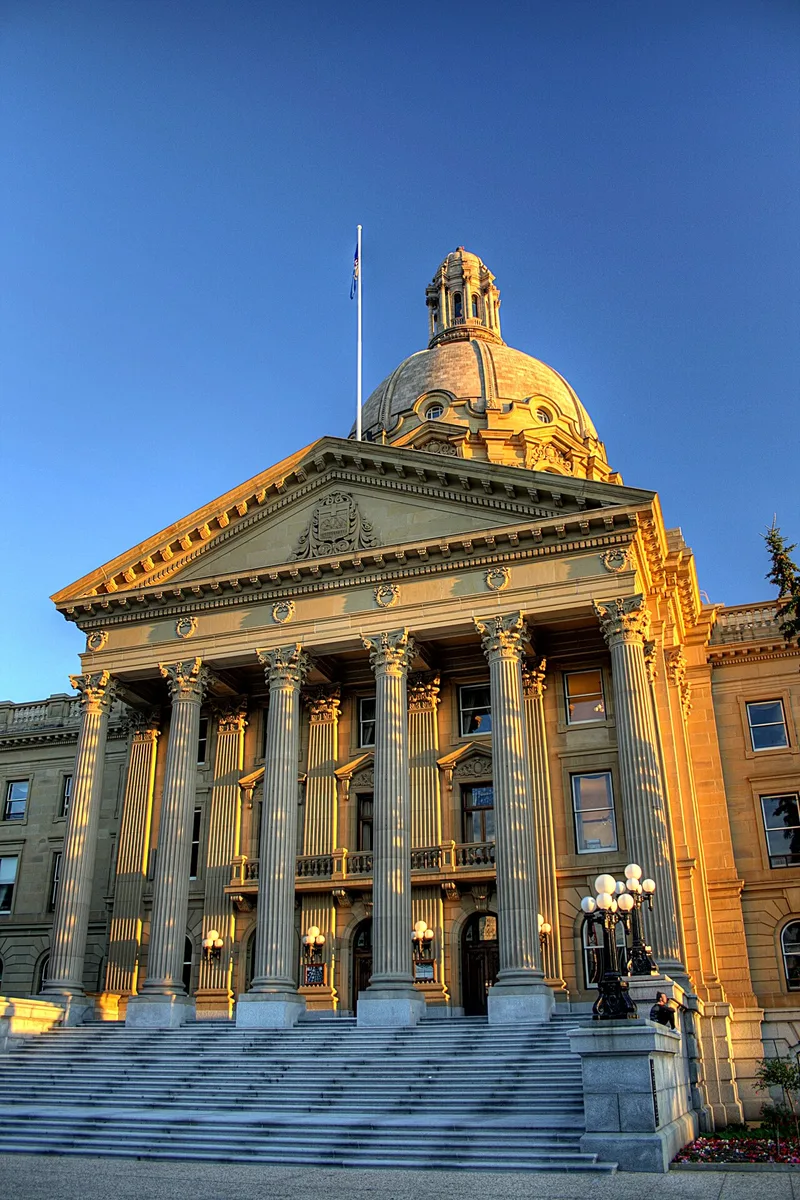
Alberta referendum explained: what is on the ballot?
Question 10, the separation question, asks voters to choose between two options: should Alberta remain a province of Canada, or should the Government of Alberta commence the legal process required under the Canadian Constitution to hold a binding provincial referendum on whether Alberta should separate from Canada?
Today’s vote will not itself make Alberta independent — the government’s own referendum orders say none of the 10 questions’ results are binding. But a majority for the separation option would direct the province to start the legal groundwork, and separatist leaders say a binding referendum could follow as early as 2027.
The other nine questions cover immigration and constitutional reform: increased provincial control over immigration, limiting provincially funded programs to citizens and approved residents, requiring proof of citizenship to vote in provincial elections, abolishing the unelected federal Senate, and giving provinces priority over federal laws in shared areas.
Why Alberta independence is on the ballot

Alberta holds the world’s fourth-largest proven oil reserves — about 9 per cent of global reserves, nearly all in the oil sands — and separatist anger has been fuelled by years of disputes over federal energy and environmental policy. Supporters, led by the Alberta Prosperity Project’s Mitch Sylvestre and Calgary lawyer Jeffrey Rath, argue that Ottawa’s regulations have held back investment and that Alberta would keep more of its wealth on its own. A grassroots campaign gathered about 300,000 signatures demanding the vote.
Opponents warn of heavy costs: an independent Alberta would take on billions of dollars in debt, and prolonged uncertainty could push jobs and investment elsewhere. A rival anti-separation petition drew more than 400,000 signatures.
What Mark Carney and Danielle Smith are saying
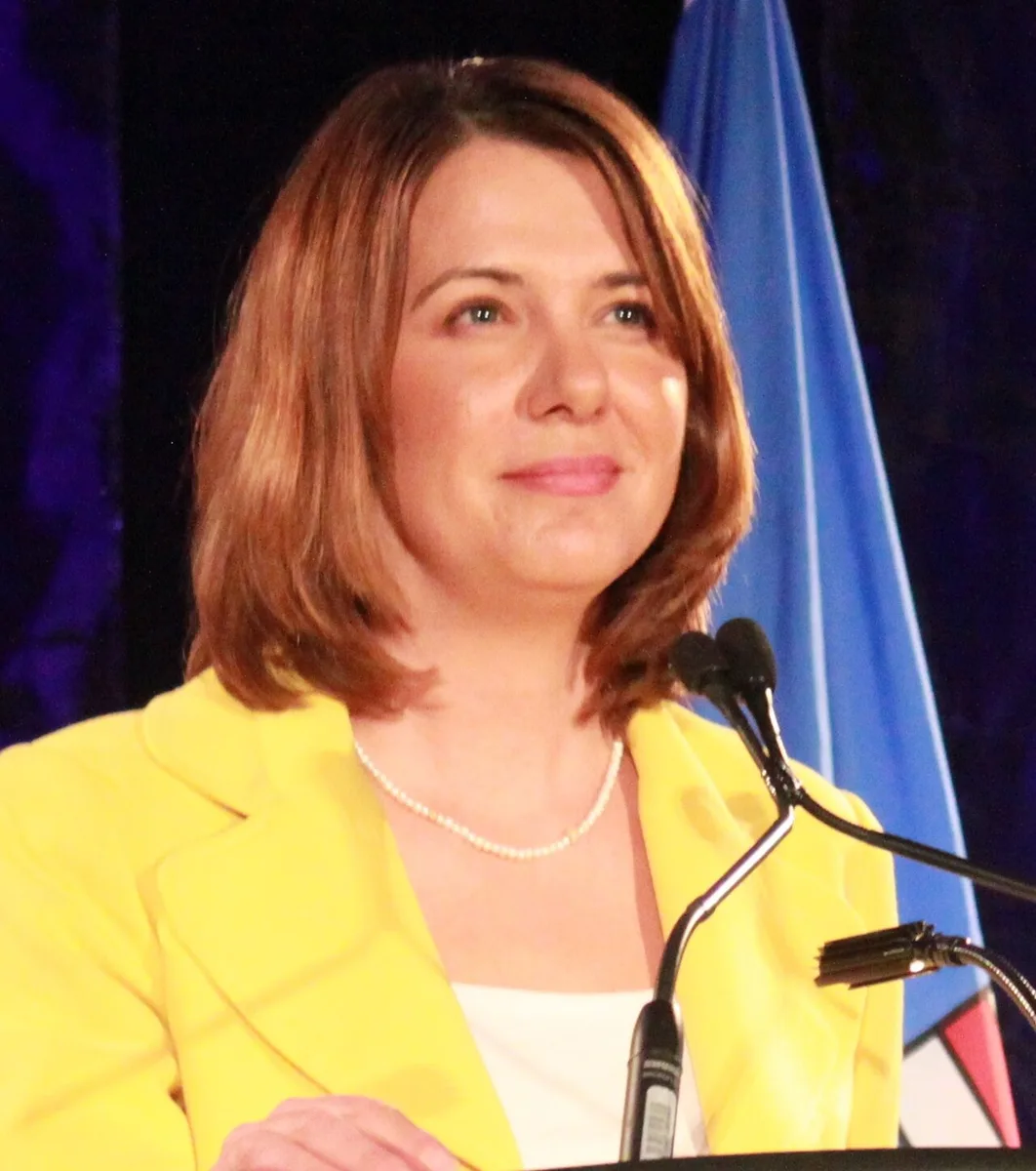
Prime Minister Mark Carney, who grew up in Alberta, made two back-to-back campaign stops in the province, telling a pro-Canada rally of more than 7,000 people in Calgary: “Vote like Canada’s future depends on it because it does.” He called the referendum “the worst possible time,” citing a “more dangerously divided world” and pressure from outside Canada’s borders, and warned: “Don’t be fooled by the idea you can ‘send a message’ with your vote. A vote against Canada is a dangerous bluff.”
Premier Danielle Smith authorised the referendum but opposes independence and says she voted to remain in Canada. She has also said she will not approve another separation referendum if voters choose to stay.
Alberta referendum polls: what the latest surveys say
The Writ’s poll tracker, updated October 17, put “remain in Canada” at 68 per cent against 26 per cent for starting the legal process toward a binding separation vote. Smith cited a poll showing just 22 per cent support for outright separation — a figure she said was “still too high for my liking.” But an Angus Reid survey found 62 per cent of Albertans believe “there will never be an end to the separatist movement,” and 61 per cent expect another separation vote even if “remain” wins, according to Abacus.
When are the Alberta referendum results?
Ballots are counted by hand, with Question 10 counted first. Unofficial results are expected within 48 hours of polls closing; Elections Alberta has scheduled the official results announcement for noon ET on October 29. The vote also comes days after a deadly fire at Canadian Forces Base Wainwright killed four service members and injured 39 — one of the worst peacetime tragedies for Canada’s military on domestic soil.
Carney ordered flags lowered to half-staff nationwide in response to the Wainwright tragedy, which struck during the final week of the referendum campaign.
FAQs: Alberta referendum 2026
Will Alberta separate from Canada after today’s vote?
No — today’s vote cannot make Alberta independent. It is a non-binding question asking whether the provincial government should begin the legal process toward a future binding referendum on separation. Even that later referendum, if held, would itself require a constitutional process.
What is the Alberta referendum question about?
Question 10 asks whether Alberta should remain a province of Canada or whether the Government of Alberta should commence the legal process required under the Canadian Constitution to hold a binding provincial referendum on separation. Nine other questions cover immigration, public services and constitutional changes.
What do the polls say about the Alberta referendum?
Final polls point to a clear win for remaining in Canada: about 68 per cent for “remain” against 26 per cent for starting the separation process, per The Writ’s tracker. Outright support for independence was put at around 22 per cent.
What happens if the separation option wins the Alberta referendum?
The result is non-binding, but a win for separation would direct the provincial government to begin constitutional and legal steps toward a binding referendum, which separatist leaders say could happen as early as 2027. Premier Danielle Smith has said a “remain” win would end the separation question.
Where do I vote in the Alberta referendum?
Polling locations are open 9 a.m. to 8 p.m. local time on Monday, October 19; anyone still in line at closing can vote. Elections Alberta ran the referendum as the largest electoral event in the province’s history, per NPR, and voters can check their assigned polling station on Elections Alberta’s website.
What are Mark Carney’s comments on the Alberta referendum?
Prime Minister Mark Carney has called the referendum “the worst possible time,” warned that “a vote against Canada is a dangerous bluff,” and urged Albertans to deliver a “decisive result” against separation. He told a Calgary rally of more than 7,000 people: “Vote like Canada’s future depends on it because it does.”
Why do some Albertans want independence from Canada?
Separatist supporters argue that federal environmental and energy policies have constrained investment in Alberta’s oil and gas industry — the province holds the world’s fourth-largest proven oil reserves — and that Alberta contributes disproportionately to national finances. Critics warn independence would bring debt, job losses and deep uncertainty.
Sources: The Associated Press, NPR, CBC, BBC News, Agence France-Presse, Elections Alberta.
Related: Carney says cause of deadly Wainwright fire still unknown as 50 investigators probe | Wainwright fire at Canadian Forces Base kills four, injures 39