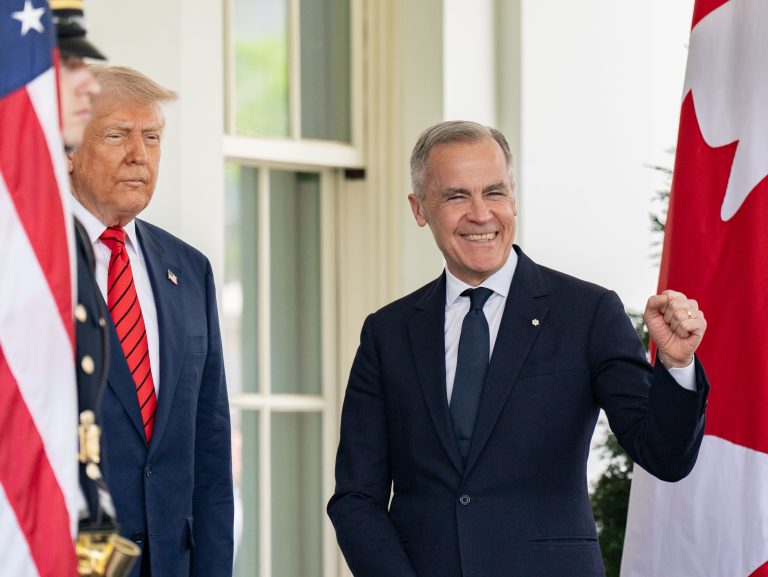
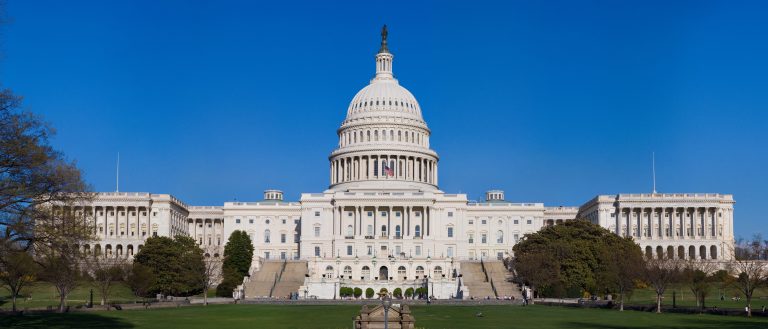
US envoy Steve Witkoff travels to St. Petersburg on Wednesday, October 21, to present Russian officials with a peace package agreed with Ukraine and European partners in Oslo — a trip that now carries a second objective: US officials say he will also press for the release of Stephen Hubbard, an American detained in Russia. A meeting with President Vladimir Putin is hoped for but has not been confirmed by the Kremlin.
Key Takeaways
- Witkoff’s trip was confirmed on the record by Norway’s prime minister after Tuesday’s Oslo talks; the White House has confirmed it only through unnamed officials.
- The package includes security-guarantee options — among them “Article 5-like” guarantees — plus territory, sanctions and post-war arrangements.
- Kyiv says US early warning of Russian missile attacks is working again; Washington insists the sharing was never paused.
- Ukraine backs a US energy-ceasefire proposal that President Putin has already rejected, and expects Moscow’s response to the package within about a day.
- President Trump said this week that Ukraine should find “somebody else to negotiate” — a line the Kremlin promptly echoed.
What Happened in Oslo?
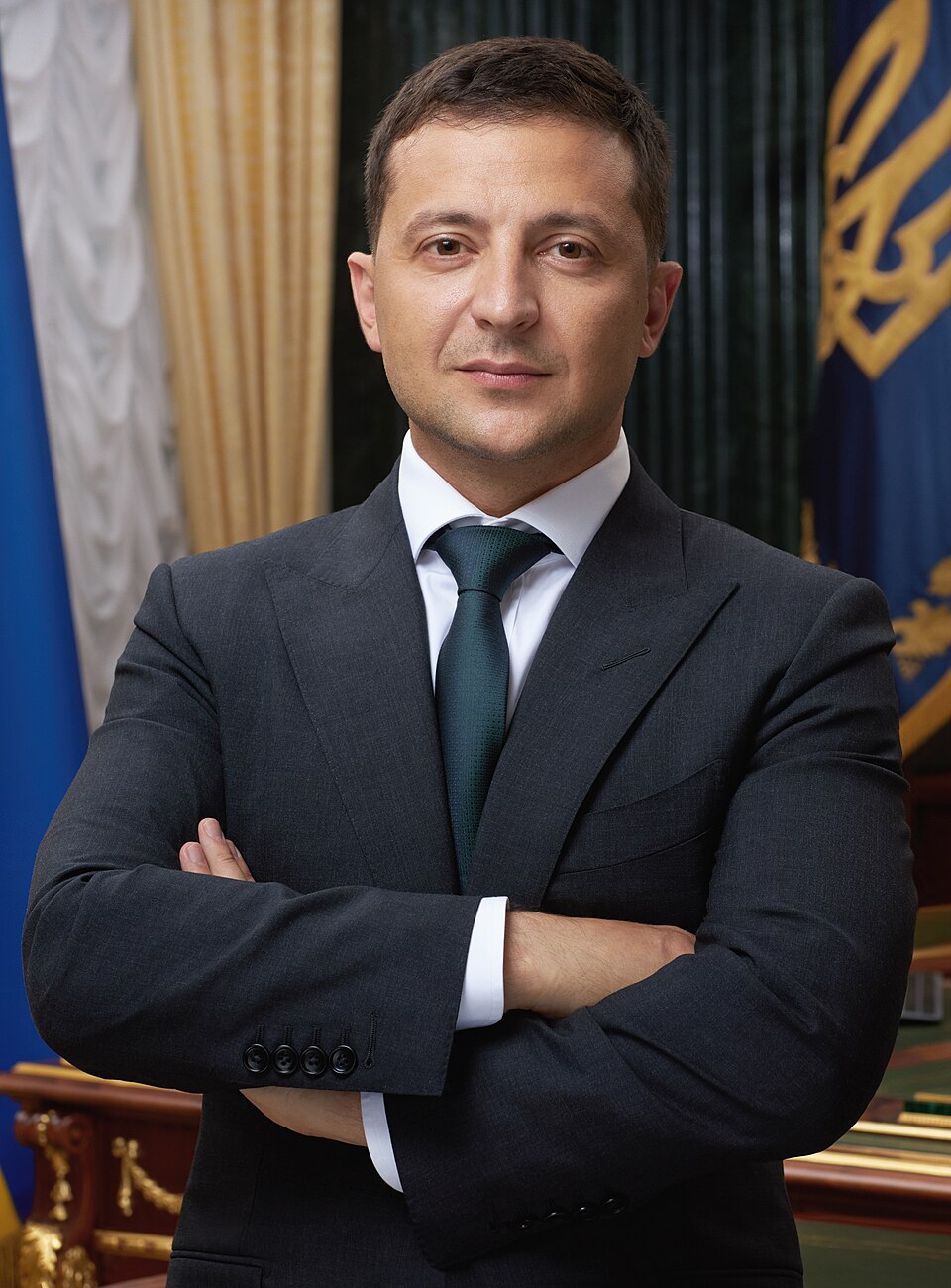
On Tuesday, Ukrainian President Volodymyr Zelenskyy met Norway’s Prime Minister Jonas Gahr Støre, Finland’s President Alexander Stubb and Witkoff in Oslo, with Jared Kushner joining by video and European and NATO security advisers at a working dinner. The talks produced a written package of proposals that Witkoff agreed to carry to Moscow.
According to Zelenskyy, the document includes several possible forms of security guarantee for Ukraine — “various security guarantees on paper,” among them options modelled on NATO’s Article 5 collective-defence clause. Zelenskyy said he expects Russia’s response “in a day” once Witkoff delivers it, and he proposed a trilateral summit of the US, Ukrainian and Russian leaders.
What Did Kyiv Get — and What Remains Disputed?
Zelenskyy told reporters that American early warning of Russian ballistic-missile launches is functioning again: “We are thankful to American side. Now it works. It’s great.” Washington tells the story differently. Secretary of State Marco Rubio said on October 19 that “there has been no pause” in intelligence sharing and blamed a software problem that US European Command was examining; Senator Richard Blumenthal said Monday that sharing remained “still partially degraded.” The disagreement matters because the warning data helps Ukraine’s air defences react to incoming strikes.
On energy, Zelenskyy confirmed Ukraine “immediately supported” a US proposal for both sides to stop striking energy infrastructure — but noted that “Putin said no,” and Russian attacks have continued. The proposal predates the Oslo meeting; Oslo reaffirmed Kyiv’s support rather than producing a new answer from Moscow.
Zelenskyy also raised the restoration of Starlink and Starshield satellite services with Rubio. No restoration has been confirmed.
The Second Mission: Stephen Hubbard
The St. Petersburg trip has acquired a prisoner dimension. At the White House on Tuesday, President Trump said he had been speaking with Putin about Hubbard, a US citizen detained in Russia: “It’s time to get Mr. Hubbard back.” Trump hinted an agreement could be days away, telling reporters to “remember that question for a couple of days from now.” A White House official, speaking anonymously, confirmed Witkoff’s trip is expected to include efforts to secure Hubbard’s release.
Trump’s “Somebody Else” Remark
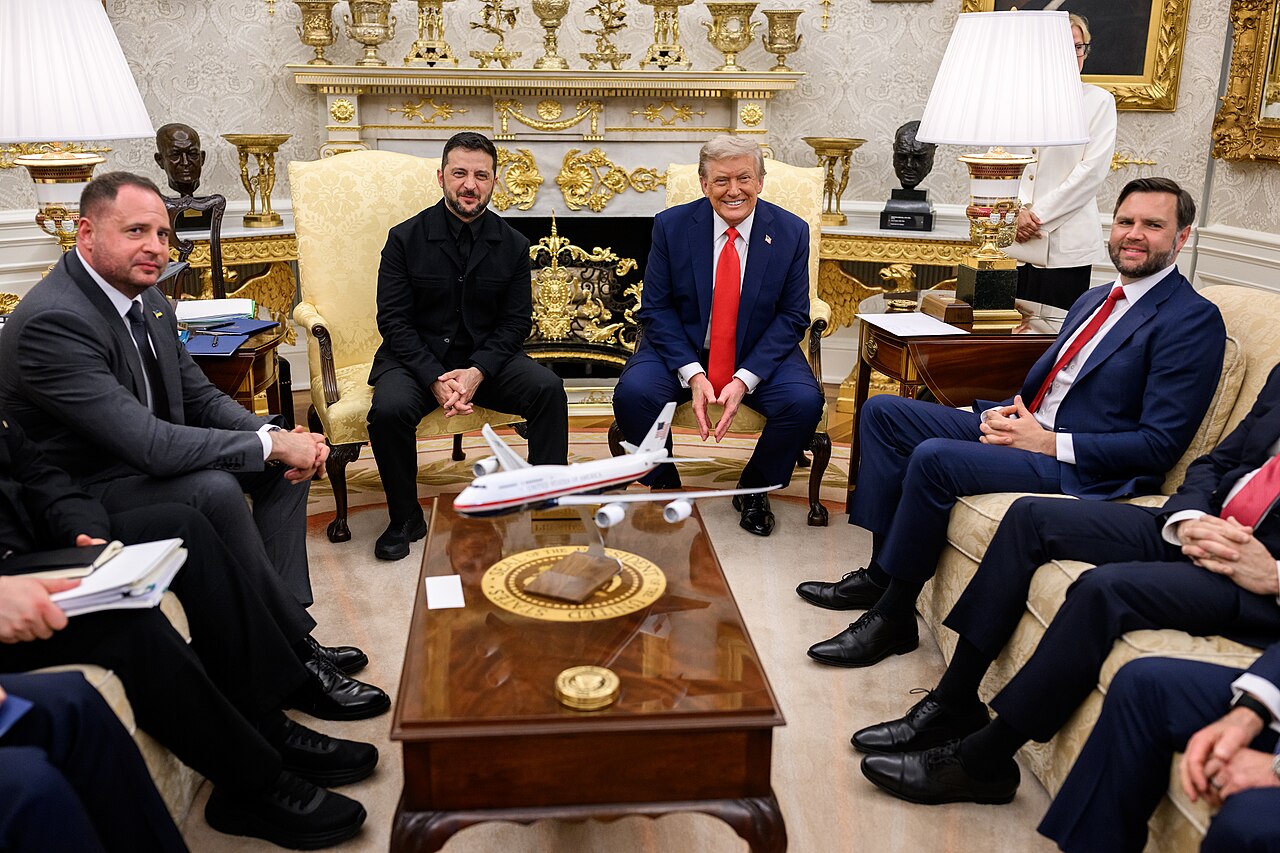
The diplomacy is unfolding under pressure from Washington’s own rhetoric. Speaking on Monday, October 19, Trump said: “I think it’s time for somebody else to negotiate on behalf of Ukraine because what’s happened? A tremendous number of people are dead. They’re losing their male population.” He added that “Russia, frankly, has been fine on Ukraine,” and that Zelenskyy “doesn’t want to stop it.”
Kremlin spokesman Dmitry Peskov echoed the negotiating line, saying a settlement would require “someone from Kyiv willing to take responsibility” — while praising US mediation efforts. Peskov said Tuesday that Moscow hopes a Witkoff–Putin meeting “can be arranged in the very near future,” but gave no date or venue.
What Happens Next?
Three dates now matter. Witkoff’s St. Petersburg meetings take place on Wednesday, October 21. Kyiv expects Russia’s response to the package within roughly a day of delivery. And a possible leaders’ meeting — whether Zelenskyy’s proposed trilateral summit or the Trump–Putin–Xi meeting in China that Trump mentioned for next month, which Peskov confirmed has been “mentioned” but not agreed — remains talk rather than a scheduled event. Ukraine’s foreign minister, Andrii Sybiha, warned that a China-format meeting “would only encourage Putin to continue this war.”
This article will be updated when the Kremlin or the White House confirms the outcome of Witkoff’s meetings.
Sources
- Norwegian Government (regjeringen.no), Oslo joint press conference, October 20, 2026
- Reuters, Kremlin comments on Witkoff visit, October 20, 2026
- USA Today, Trump comments on Stephen Hubbard and Witkoff trip, October 20, 2026
- Anadolu Agency, Trump remarks of October 19 and Peskov response, October 19–20, 2026
- Kyiv Independent / Censor.NET / UNITED24, Zelenskyy statements at Oslo, October 20, 2026
FAQs
Has Witkoff met Putin on this trip?
Not as of publication. The Kremlin says it hopes a meeting can be arranged soon; it has not confirmed one for October 21.
What is in the Oslo package?
Security-guarantee options including Article 5-style guarantees, plus proposals on territory, sanctions, post-war prosperity and the European security order, according to Zelenskyy.
Who is Stephen Hubbard?
An American citizen detained in Russia. US officials say Witkoff’s trip is expected to include efforts to free him, and President Trump says he has discussed the case with Putin.