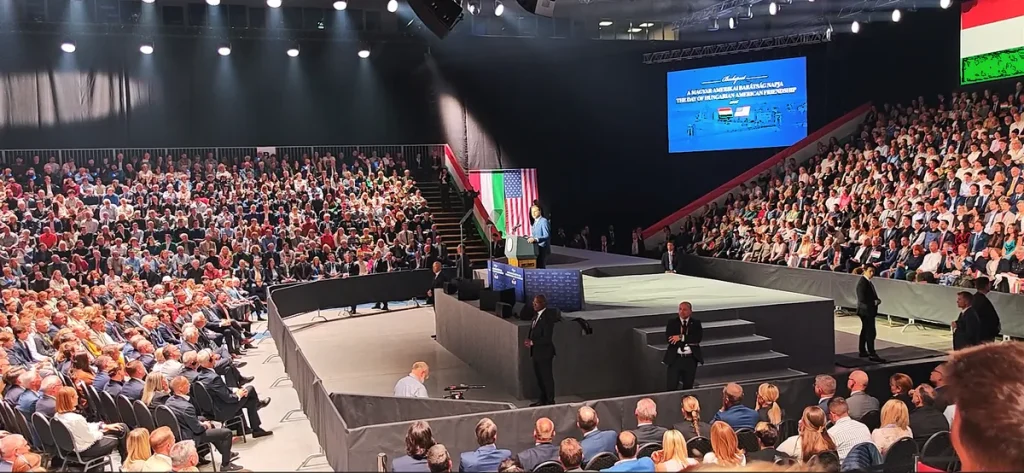
Quick Answer: US Vice President JD Vance arrived in Switzerland early Sunday to launch a new round of US-Iran nuclear talks at the Bürgenstock resort near Lucerne. He joins envoys Steve Witkoff and Jared Kushner for negotiations with an Iranian delegation led by parliamentary speaker Mohammad Bagher Qalibaf and Foreign Minister Abbas Araghchi, with Qatar and Pakistan mediating. CNN is running live updates as the talks begin.
A new round of US-Iran talks opens in Switzerland on Sunday, October 18, with Vice President JD Vance landing in the country to lead the American side at the Bürgenstock resort near Lucerne. Vance departed the United States on Saturday afternoon and arrived early Sunday, joining White House envoys Steve Witkoff and Jared Kushner, who were already on the ground.
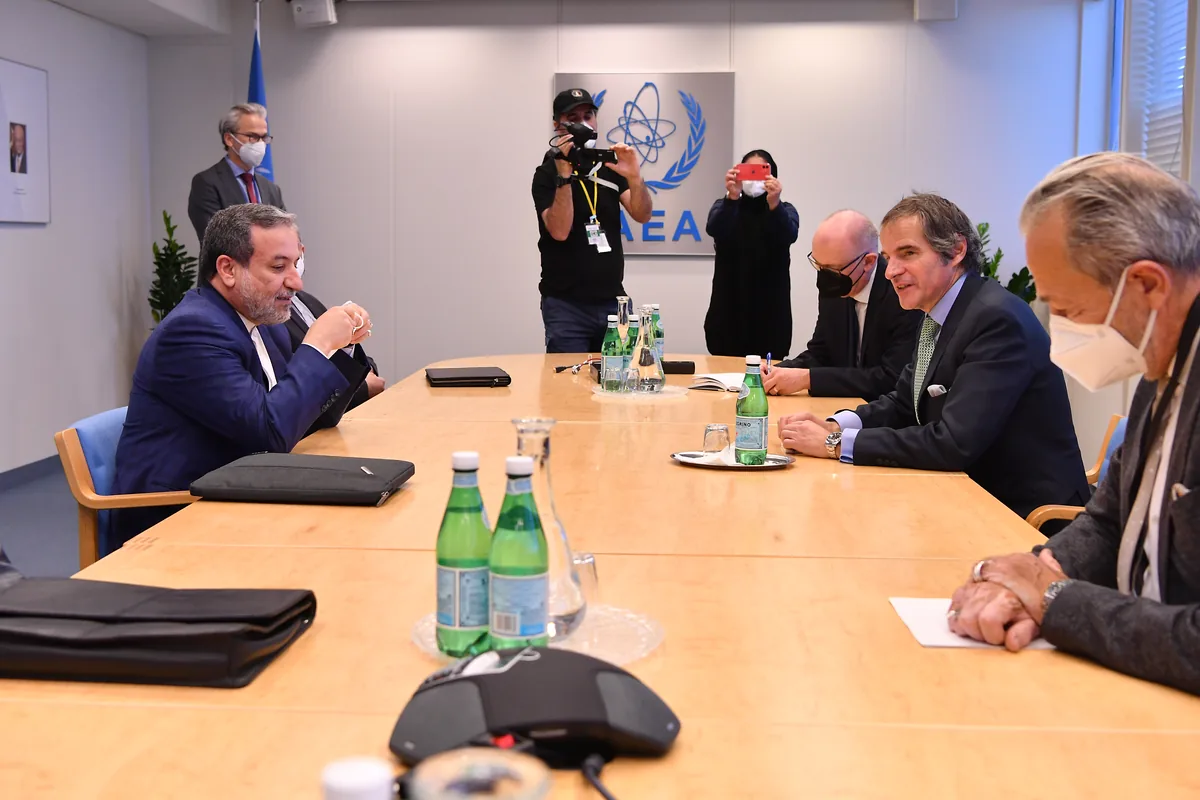
The Swiss Federal Department of Foreign Affairs confirmed that both delegations have arrived. Iran’s team, led by parliamentary speaker Mohammad Bagher Qalibaf and Foreign Minister Abbas Araghchi along with central bank and oil officials, reached Switzerland on Saturday, according to Iranian state media.
Key Takeaways
- Vance landed in Switzerland early Sunday after departing the US on Saturday afternoon; Witkoff and Kushner were already on the ground.
- The Bürgenstock Iran peace talks, mediated by Qatar and Pakistan, are meant to advance the 60-day Iran-US ceasefire framework signed after the G7 summit at Versailles.
- Friday’s planned session was postponed when Israel-Hezbollah fighting escalated in southern Lebanon.
- Trump warned Saturday that the US could impose tolls in the Strait of Hormuz if talks fail before the ceasefire window expires.
- A separate Lebanon-Israel military track meets in Tampa, Florida, on October 20.
Why the US-Iran talks were delayed
The negotiations were originally scheduled for Friday, but Switzerland’s foreign ministry announced a postponement after fighting between Israel and Hezbollah intensified in southern Lebanon. Iranian officials canceled their Friday plans, and the round was reset for Sunday.
According to reporting cited by Axios, around 50 projectiles were fired toward Israeli positions in southern Lebanon on Saturday, with Israel responding with dozens of strikes. The latest Strait of Hormuz news added pressure: Iran’s armed forces announced a renewed closure of the strait — a claim the US Central Command disputed, saying American forces continued to monitor the waterway to keep traffic flowing.
What is on the table at Bürgenstock
The talks implement a memorandum of understanding signed after the G7 summit at the Palace of Versailles, which committed Washington and Tehran to 60 days of negotiations toward a final nuclear agreement. The framework carries incentives for Tehran, including reconstruction funds and eventual sanctions relief.
Before departing from Joint Base Andrews, Vance said he hoped to make progress on both the nuclear issue and the Lebanon ceasefire, describing the two as the session’s main focus. Asked whether the Lebanon fighting could derail diplomacy, he said conditions were improving and “slowing down a little bit.”
Trump’s warning over the Strait of Hormuz
In a Truth Social post on Saturday, President Donald Trump warned that the United States could impose tolls in the Strait of Hormuz if the negotiations fail to produce a lasting agreement before the ceasefire expires. The warning followed Iran’s claimed closure of the strait — the vital waterway carrying a fifth of the world’s traded oil and gas — in response to alleged ceasefire violations. Read our earlier coverage of Iran’s claimed closure of the Strait of Hormuz.
A separate track: Lebanon-Israel talks in Tampa
The Bürgenstock round is distinct from the separate Lebanon-Israel military talks scheduled for October 20 in Tampa, Florida, where Beirut’s delegation will demand an end to Israeli strikes in southern Lebanon. Together, the two tracks show how the Lebanon front has become entangled with the US-Iran nuclear diplomacy.
FAQs
Where are the US-Iran talks being held?
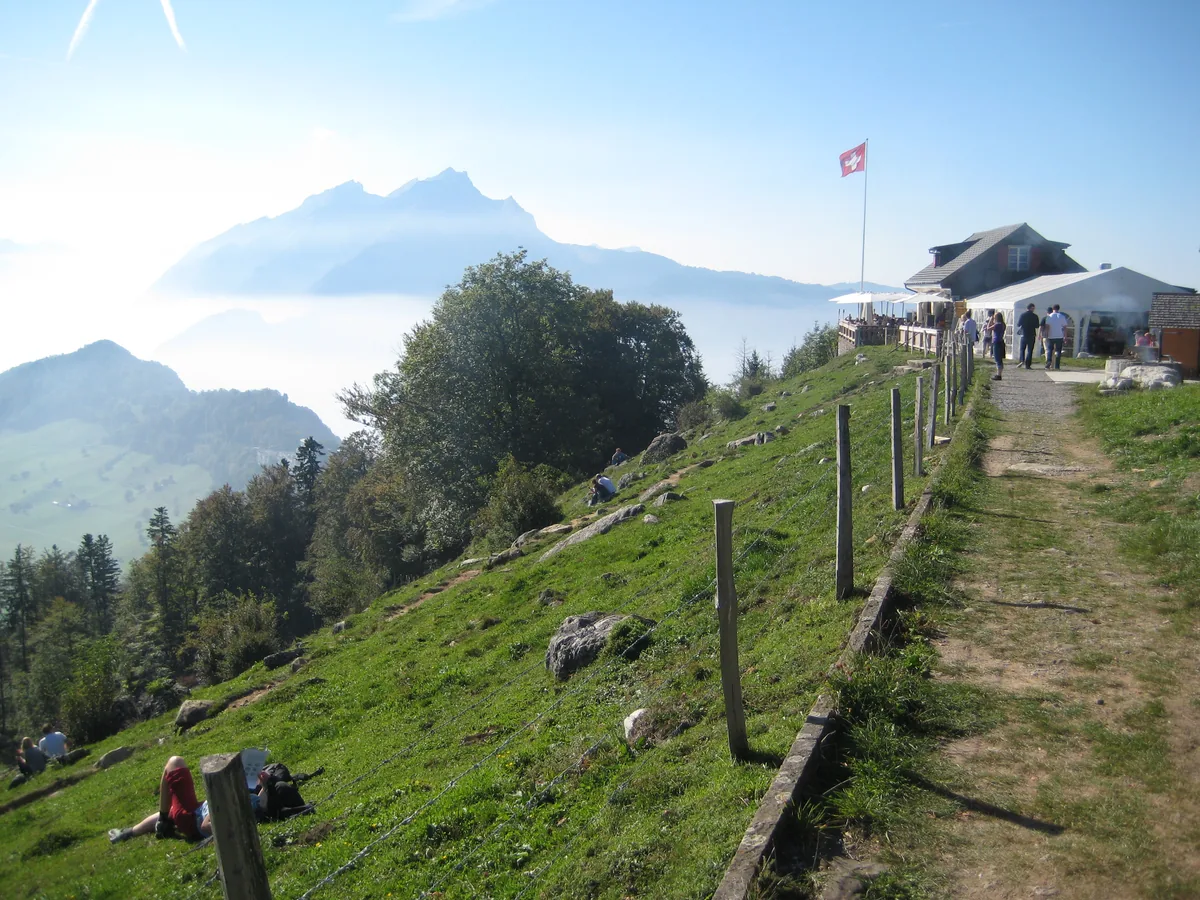
The talks are taking place at the Bürgenstock resort near Lucerne in central Switzerland. The Swiss Federal Department of Foreign Affairs confirmed that both the US and Iranian delegations arrived at the venue.
Who is leading each delegation?
The US side is led by Vice President JD Vance, joined by special envoy Steve Witkoff and Jared Kushner. Iran’s delegation is led by parliamentary speaker Mohammad Bagher Qalibaf and Foreign Minister Abbas Araghchi, with central bank and oil officials also attending. Qatar and Pakistan are mediating.
Does Iran have nuclear weapons?
Iran insists its nuclear program is for peaceful purposes, while the United States and Israel have long accused Tehran of pursuing weapons capability. That dispute is at the center of the Bürgenstock negotiations: the talks aim to settle it through inspections and verifiable limits under a final agreement.
Did Iran sign a peace deal?
No. Iran has not signed a final peace deal. The current step is a memorandum of understanding committing both sides to 60 days of negotiations toward a final nuclear agreement, with reconstruction funds and eventual sanctions relief as incentives. The Bürgenstock round is part of that 60-day window.
Is the Strait of Hormuz open?
It is disputed. Iran’s armed forces announced a renewed closure of the strait in response to alleged ceasefire violations, but US Central Command disputed the claim and said American forces continue to monitor the waterway to keep traffic flowing. Few ships were leaving the strait even before the announcement, according to CNN.
Why were the talks postponed from Friday?
Fighting between Israel and Hezbollah escalated in southern Lebanon, and Iranian officials canceled their Friday travel plans. Switzerland’s foreign ministry announced the postponement, and the round was reset for Sunday.
Are these the same as the Tampa talks?
No. The October 20 Tampa meeting is a separate trilateral track between Lebanon and Israel focused on halting Israeli strikes in southern Lebanon. Bürgenstock is the US-Iran nuclear negotiation track.
Sources: CNN (live updates), Fox News, Axios, NPR, the Swiss Federal Department of Foreign Affairs, IRNA. Information current as of October 18, 2026; this is a developing story.