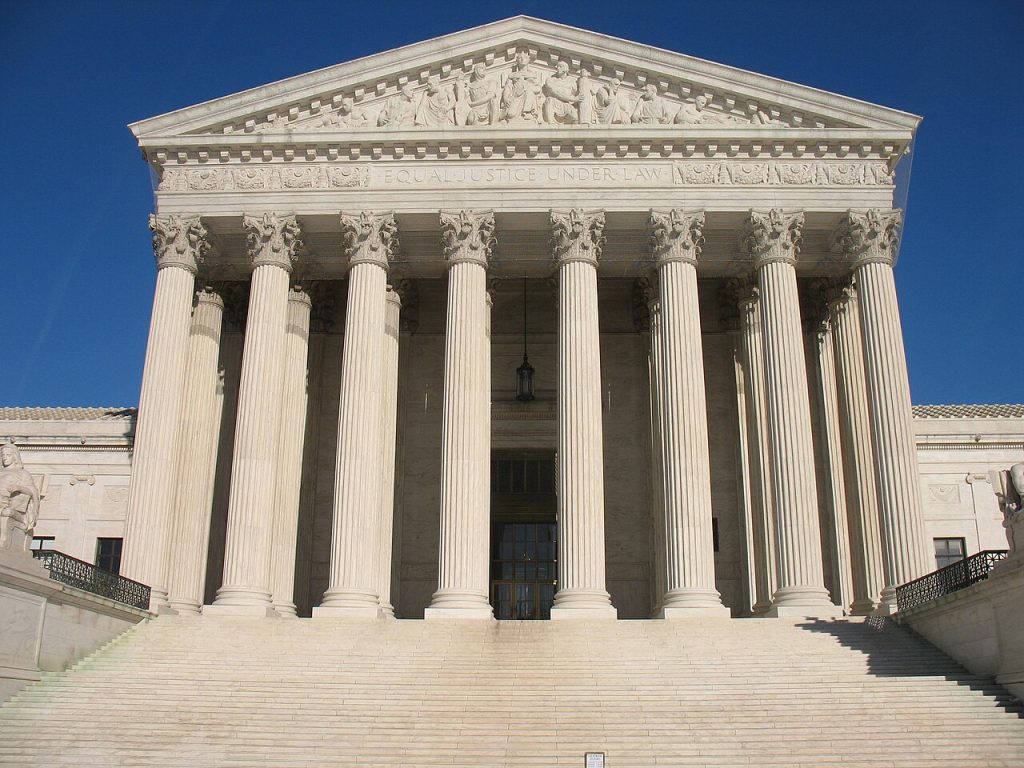
Quick Answer: On October 19, 2026, the US Supreme Court declined to hear appeals from 9/11 accused Khalid Sheikh Mohammed and two co-defendants seeking to revive 2024 plea agreements that would have taken the death penalty off the table. The decision leaves in place the ruling upholding former Defense Secretary Lloyd Austin’s move to scrap the deals.
The US Supreme Court on Monday declined to revive the 2024 plea agreements for Khalid Sheikh Mohammed, the accused mastermind of the September 11, 2001 attacks, and two co-defendants — keeping the death penalty on the table and sending the case back to the military court at Guantanamo Bay, Cuba, where proceedings have stalled for years.
- The Supreme Court declined the appeals (denied certiorari) on Oct 19, 2026 — the plea deals stay dead.
- The July 31, 2024 agreements would have traded guilty pleas for life sentences.
- Austin revoked them two days later after anger from some 9/11 victims’ families.
- An Air Force judge has set the trial for June 2028 — nearly 27 years after the attacks.
What the 2024 plea deals covered
The agreements, signed on July 31, 2024 by Susan Escallier, the Pentagon official overseeing the Guantanamo war court, would have seen Mohammed, Mustafa al Hawsawi and Walid bin ‘Attash plead guilty to conspiracy in exchange for life sentences — avoiding trials that could have led to their executions. The deals sparked anger among some relatives of 9/11 victims and criticism from Republican lawmakers.
The Lloyd Austin plea deal reversal
Two days later, then-Defense Secretary Lloyd Austin withdrew the agreements in a memo to Escallier: “I have determined that in light of the significance of the decision to enter into pre-trial agreements with the accused… responsibility for such a decision should rest with me.” He said “the families of the victims, our service members and the American public deserve the opportunity to see military commission trials carried out in this case.”
A military judge ruled in November 2024 that the deals were valid and binding, but the DC Circuit vacated that order, with judges Patricia Millett and Neomi Rao writing that Austin “acted within the bounds of his legal authority, and we decline to second-guess his judgment.”
Khalid Sheikh Mohammed trial: what the refusal means
The justices turned away the appeals without explanation — the customary practice when the court denies certiorari. “The practical effect of today’s denials of certiorari is to clear the way for the inexorable pre-trial proceedings in these cases to continue,” said Steve Vladeck, CNN legal analyst and Georgetown law professor. He added that even the summer 2028 trial date, set by a US Air Force judge in August, is “entirely unrealistic given how many issues remain to be resolved.”

Much of the legal jousting has centered on whether the men can be tried fairly after undergoing methodical treatment at the hands of the CIA in the years after 9/11 — evidence obtained through torture may not be admissible. The plea deals would have avoided that question entirely. The decision keeps capital punishment on the table in the most prominent US military-justice case in decades — a system also in the spotlight after Trump canceled a planned livestream of the Fort Hood execution.
Frequently asked questions
Who is Khalid Sheikh Mohammed?
The accused mastermind of the September 11, 2001 attacks, in which hijacked jetliners were flown into the World Trade Center and the Pentagon, killing nearly 3,000 people. Captured in Pakistan on March 1, 2003, he has been held at the US detention facility at Guantanamo Bay, Cuba.
Why did the Supreme Court refuse the 9/11 plea deal appeal?
The justices declined review without giving reasons, as is customary with denied certiorari. The effect: the DC Circuit’s ruling stands — Lloyd Austin was within his legal authority when he scrapped the 2024 plea agreements.
What is the Khalid Sheikh Mohammed trial date?
A US Air Force judge has set the trial for June 2028 before the Guantanamo military commission. Legal analysts caution the date is likely to slip given unresolved issues, including disputes over evidence from CIA interrogations.
Could Mohammed still face the death penalty?
Yes. With the plea agreements dead, the death penalty remains a possible outcome if he is convicted at trial — though any conviction and sentence would face years of further legal challenges.
Sources: reporting by Reuters and CNN; legal analysis from Steve Vladeck, CNN analyst and Georgetown law professor. All quotes attributed as reported. Last checked: Oct 19, 2026.