Quick Answer: Iran’s foreign minister said Sunday that Tehran’s seven-day plan to reopen the Strait of Hormuz remains on the table. If Washington accepts Tehran’s conditions, the strategic waterway would reopen within six days and US-Iran talks would resume on the seventh day, Abbas Araghchi told Iranian media.
Iran is pressing the United States to accept its plan to reopen the Strait of Hormuz, with Foreign Minister Abbas Araghchi telling Iranian media on Sunday, October 18, that the offer is “still on the table.” According to the minister, Tehran has conveyed a concrete seven-day plan to Washington through Qatar: if the necessary conditions are met, the strait can be reopened and normal maritime activity restored within six days, with US-Iran talks resuming on the seventh day.
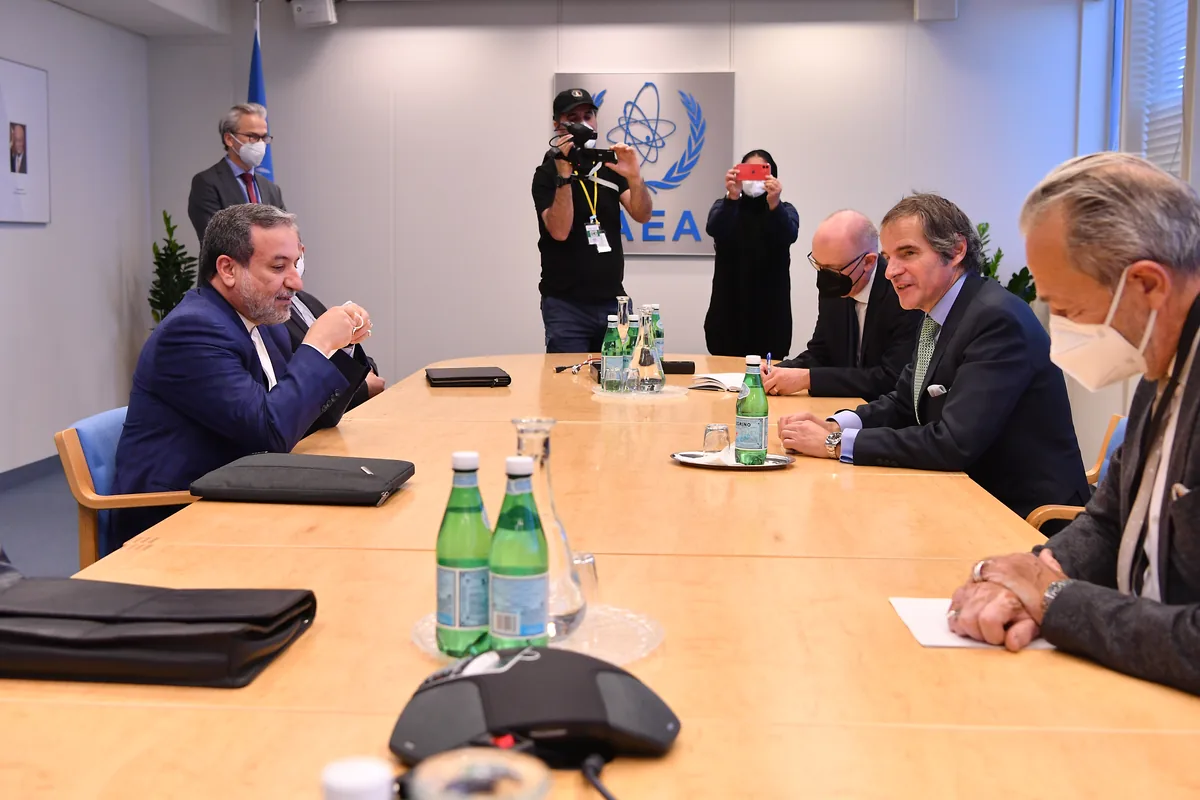
Araghchi first laid out the plan on Saturday at the 52nd session of the Council of Foreign Ministers of the Organization of Islamic Cooperation in Baghdad, telling delegates that “the decision now rests with the United States.” He said Tehran had conveyed the proposal through Qatar and was ready to restore the strategic waterway if its conditions were met.
Those conditions, as described by Araghchi, include lifting the US naval blockade, easing restrictions on Iranian oil exports, and releasing frozen Iranian assets, alongside credible guarantees against renewed attacks. “You cannot bomb a country, threaten to destroy it, and impose a blockade, and then expect maritime security to return to normal,” he said, while insisting Tehran remained prepared for dialogue based on mutual respect.
The renewed offer comes a day after Iran’s Revolutionary Guards said a tanker had struck a mine and caught fire in the strait, in the latest of a string of attacks on commercial shipping at the vital chokepoint. Iran claims control of the Strait of Hormuz, through which about one-fifth of the world’s oil and liquefied natural gas supplies passed before the war, and Tehran’s grip on the waterway has defined much of the Iran war in Hormuz since February.
Araghchi also referred to earlier diplomatic efforts, including a June 17 memorandum of understanding mediated by Pakistan with Qatari support, under which shipping traffic recovered to roughly 60 percent of pre-war levels within two weeks before further US measures stalled implementation. If it holds, the new offer would be the most concrete Iran peace step since that memorandum. Vice President JD Vance arrived in Switzerland on Sunday for a new round of US-Iran talks, but Washington had not publicly responded to the Hormuz offer as of this article’s publication.
Key Takeaways
- Iran’s foreign minister says Tehran’s seven-day plan to reopen the Strait of Hormuz is still on the table, conveyed to Washington through Qatar.
- If the US accepts Tehran’s conditions, the strait would reopen within six days and US-Iran talks would resume on the seventh day, Araghchi told Iranian media on Sunday.
- Conditions include lifting the US naval blockade, easing oil export restrictions, and releasing frozen Iranian assets.
- The offer follows Saturday’s reported mine strike on a tanker in the strait, and no public US response had been issued as of publication.
Iran’s Strait of Hormuz Reopening Deal
Araghchi’s remarks on Sunday refined the plan he presented a day earlier in Baghdad. The Saturday version promised reopening “within seven days” if the conditions were met; the Sunday version sharpened the timeline to six days for reopening plus talks resuming on day seven. The seven-day Strait of Hormuz reopening deal matters for energy markets: traders are watching closely, because a Strait of Hormuz reopening could swiftly restore global oil supplies after months of disruption.
What Happened to Oil Shipping in the Strait
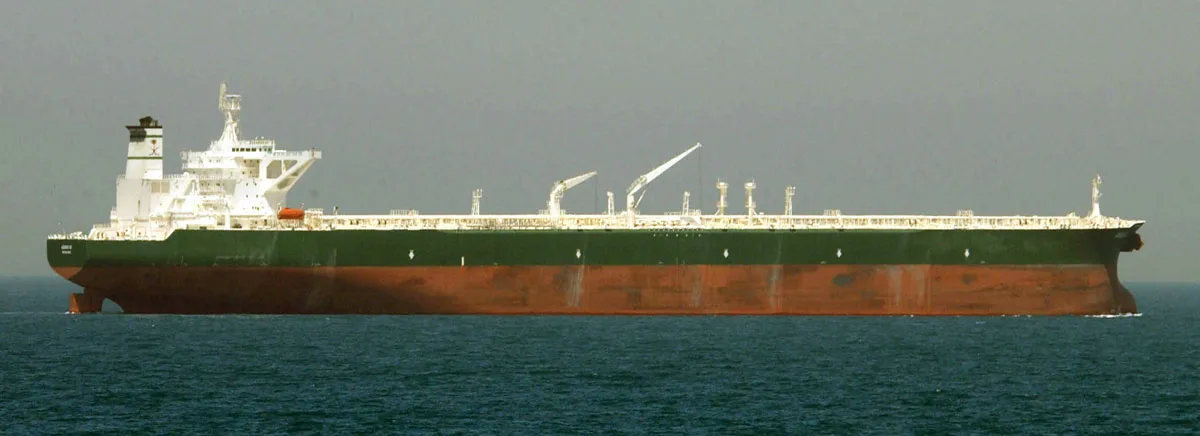
Since the US-Israeli strikes on Iran in February, the Strait of Hormuz closed to much normal traffic as Tehran tightened its grip: mine strikes, drone attacks, and an Iranian authorization regime for vessels entering or leaving the Gulf. Two oil supertankers caught fire earlier this month after striking mines, according to the IRGC, and Iran’s navy this weekend reported a tanker ablaze in the nearby Sea of Oman. Shipping has partially resumed at times, but insurers and operators remain wary.
For everyone asking “is the Strait of Hormuz open?” the answer remains conditional: Tehran says it can be open within six days — but only if Washington accepts Iran’s terms. Until then, the waterway stays effectively shut to normal commercial traffic.
FAQs
What is Iran’s plan to reopen the Strait of Hormuz?
Tehran says it has conveyed a concrete seven-day plan to Washington through Qatar. If the US accepts Iran’s conditions, the strait would reopen and normal maritime traffic would be restored within six days, with US-Iran talks resuming on the seventh day, Foreign Minister Abbas Araghchi told Iranian media on Sunday, October 18.
What are Iran’s conditions for reopening the strait?
Araghchi listed lifting the US naval blockade, easing restrictions on Iranian oil exports, and releasing frozen Iranian assets, plus credible guarantees against renewed military attacks. He said Tehran was ready for dialogue based on mutual respect but would not accept threats or coercion.
Is the Strait of Hormuz open right now?
Not for normal commercial traffic. The strait has been effectively closed since Tehran tightened its grip during the war. Iran now says the answer to “is the Strait of Hormuz open?” can change within six days — if Washington accepts Tehran’s conditions.
Will Iran open the Strait of Hormuz?
Iran says it will, provided the US meets its conditions. Araghchi told Iranian media on Sunday that Tehran’s seven-day reopening plan remains on the table and that the decision now rests with Washington. As of publication, the US had not publicly responded.
Who controls the Strait of Hormuz?
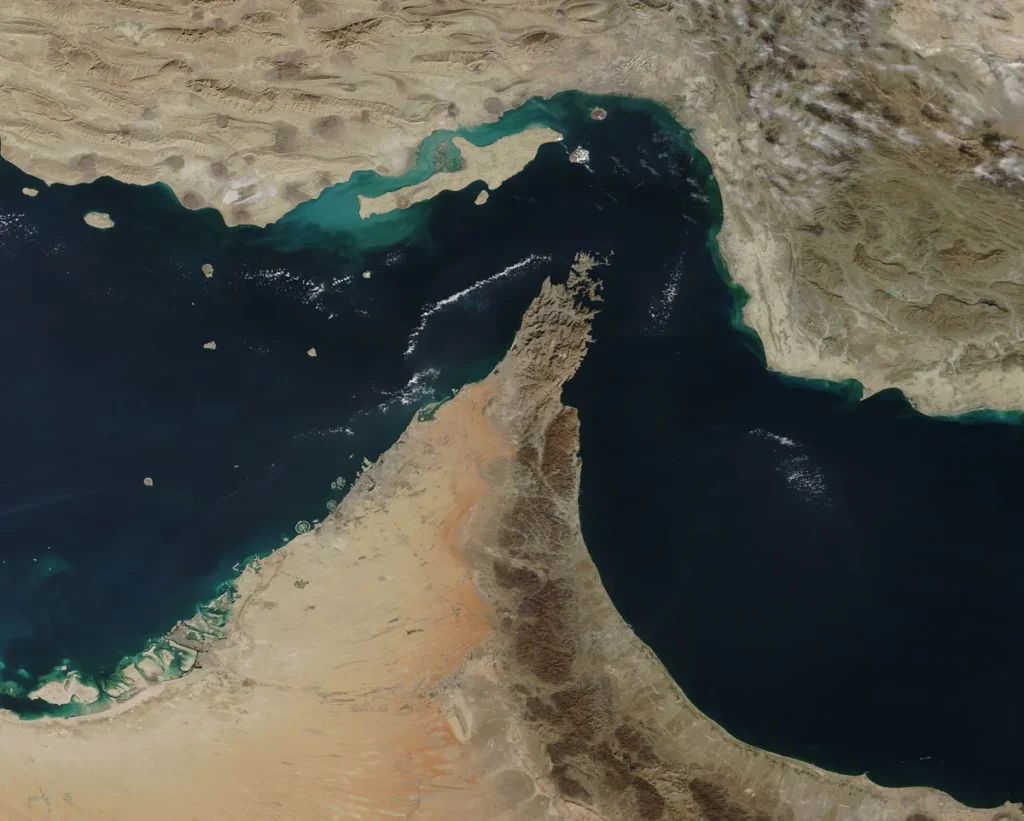
Iran claims control of the strait and targets vessels attempting to transit without its authorization. The waterway is bordered by Iran to the north, with Oman and the United Arab Emirates to the south; parts of it are treated as international transit passage under maritime law, which is why the dispute over who controls the Strait of Hormuz is so consequential.
Why is the Strait of Hormuz important?
About one-fifth of the world’s oil and liquefied natural gas trade passed through the strait before the war, making it one of the most important energy chokepoints on the planet. That is why the strait of hormuz is important to global oil prices, shipping insurance, and energy security. Read our earlier report on Iran’s closure declaration and the tanker attacks.
Where is the Strait of Hormuz?
The Strait of Hormuz links the Persian Gulf with the Gulf of Oman and the Arabian Sea. Iran sits on its northern shore, opposite Oman and the United Arab Emirates. For readers asking where is the Strait of Hormuz: it is the narrow waterway between Iran and the Arabian Peninsula through which Gulf oil must pass to reach world markets.
Reporting by Reuters (via Arab News and L’Orient-Le Jour), Gulf News, and FOR-EX.NEWS. Read more on the US-Iran talks in Switzerland.