Quick Answer: President Donald Trump signed an executive order on October 19, 2026, establishing a White House Women’s Health Task Force and a new Women’s Health Division within the National Institutes of Health. Led by First Lady Melania Trump, the initiative aims to close research gaps in conditions that disproportionately affect women, including heart disease, osteoporosis, and Alzheimer’s.
President Donald Trump and First Lady Melania Trump signed an executive order at the White House on Monday creating a White House Women’s Health Task Force and directing the creation of a dedicated Women’s Health Division within the National Institutes of Health, in what the administration describes as a sweeping effort to overhaul the federal government’s approach to women’s health.
The order, signed during a Rose Garden ceremony on October 19, directs the Secretary of Health and Human Services and the NIH director to establish the new division to coordinate research, address gaps in scientific understanding, and speed up the translation of discoveries into better health outcomes for women and girls.
Key Takeaways
- Trump signed an executive order on October 19, 2026, creating a White House Women’s Health Task Force and a new Women’s Health Division at the NIH.
- The task force will be led by Chief of Staff Susie Wiles and HHS Secretary Robert F. Kennedy Jr., with its first meeting held Monday afternoon in the Roosevelt Room.
- First Lady Melania Trump championed the order, organizing working sessions with physicians and experts over several months.
- The initiative targets research gaps in heart disease, osteoporosis, Alzheimer’s, maternal health, mental health, and endometriosis — and seeks to use AI to speed up medical discoveries.
- The order rescinds the prior administration’s women’s health initiatives to refocus on translating research into clinical care.

What the Women’s Health Task Force Will Do
The White House Women’s Health Task Force is tasked with pursuing a comprehensive federal approach to women’s health across every stage of life — from infancy and adolescence through pregnancy, midlife, menopause, and aging. According to the White House fact sheet, it will support policy and regulatory reforms to ensure timely, stage-specific prevention, diagnosis, treatment, and care.
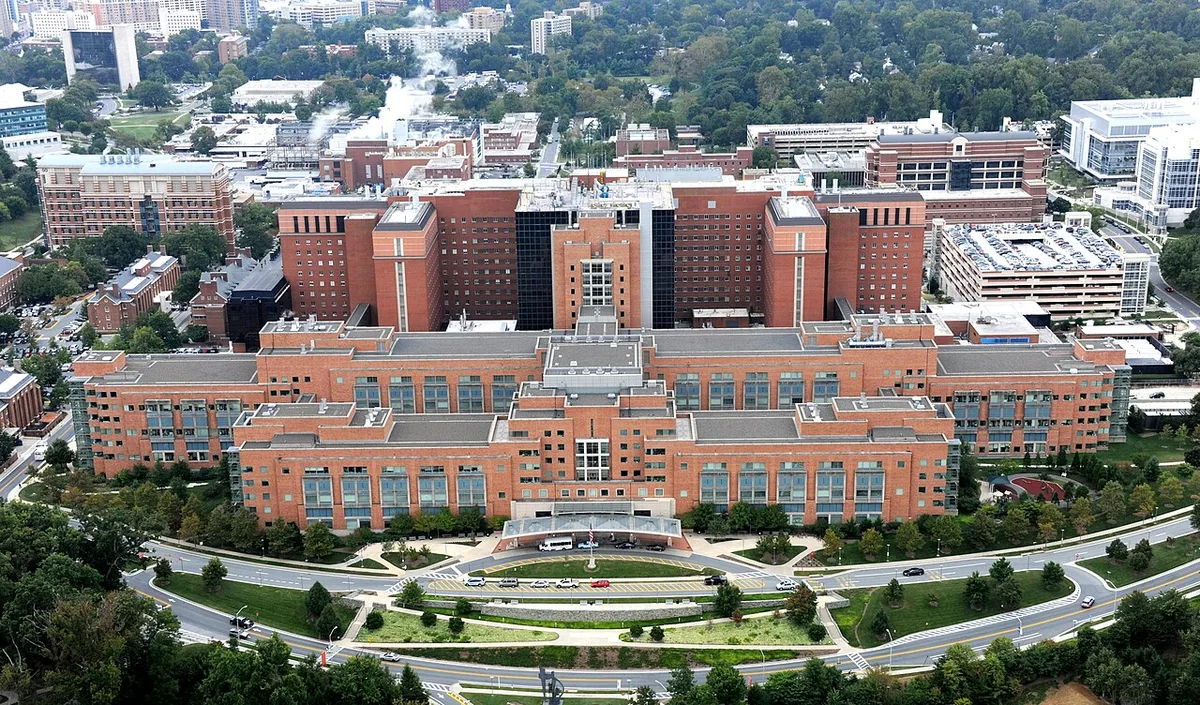
The new NIH Women’s Health Division will not replace the agency’s Office of Research on Women’s Health, which has operated since 1990. Instead, it will carry a broader mandate: coordinating agencies, closing research gaps, and accelerating scientific discoveries into real-world treatments. The order highlights midlife conditions such as osteoporosis, Alzheimer’s disease, heart disease, and stroke, alongside maternal health, mental health, and endometriosis.
The order also directs research funding toward diseases that affect women disproportionately, calls for using artificial intelligence to speed up medical research, and aims to improve affordability and access to care. The White House has not disclosed a funding figure; the NIH typically spends about $5 billion a year on women’s health, roughly 10 percent of its budget.
Why Melania Trump Pushed for the NIH Women’s Health Division
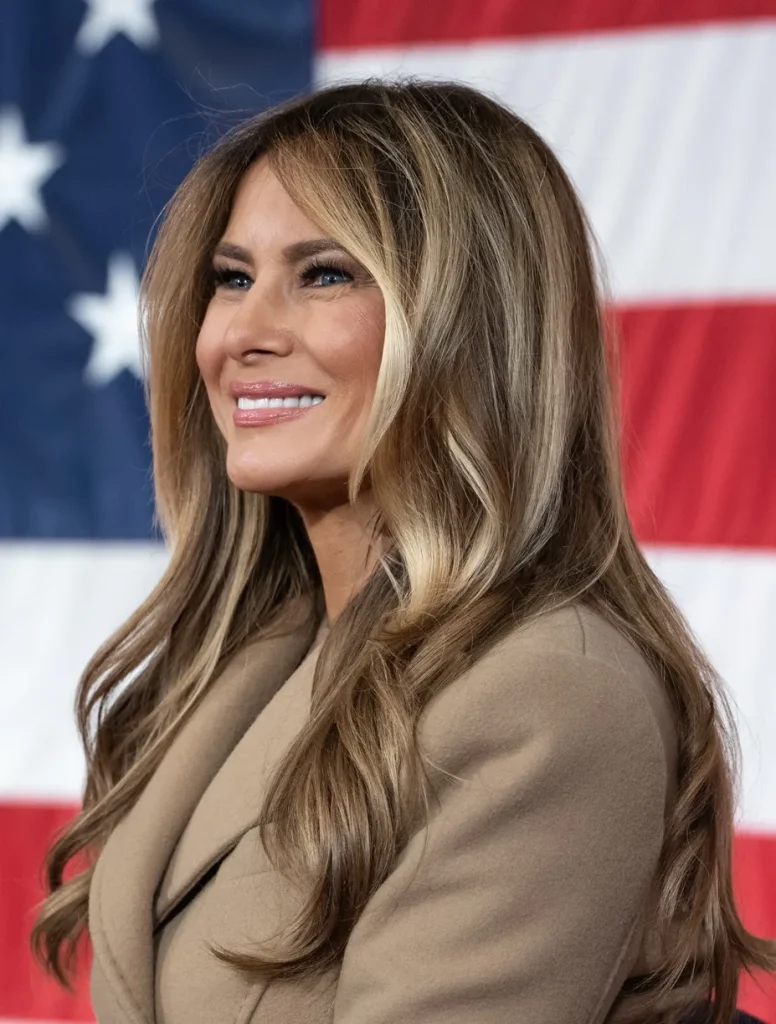
The first lady was the driving force behind the initiative. According to USA Today, which first reported the expected order, Melania Trump organized working sessions inside the East Wing with physicians, private-sector experts, and Health and Human Services officials to understand gaps in care before shaping the executive order.
“I acted quickly and organized working sessions between the doctors who I originally consulted, East Wing policy makers, the President, Secretary Kennedy, and other key stakeholders to shape this Executive Order,” the first lady said in a statement. She added that “it was abundantly clear that women’s healthcare needs to be modernized, the research gap closed, and further, the need to accelerate the discovery of treatments and cures was glaring.”
At the Rose Garden event, she called the initiative a “new standard for women’s health in America,” saying it would improve outcomes “in all phases of life.”
Reaction and Context: What Happened Today
The task force will be led by White House Chief of Staff Susie Wiles, who recently spoke publicly about her breast cancer diagnosis and treatment, and Health and Human Services Secretary Robert F. Kennedy Jr. Its first meeting was scheduled for Monday afternoon in the Roosevelt Room.
The move comes two weeks before the November 3 midterm elections, with the president’s approval rating among women at 29 percent, according to an August University of Massachusetts Amherst poll — a context noted by USA Today. President Joe Biden had signed his own executive order on women’s health in March 2024, focusing on heart disease, menopause, endometriosis, and Alzheimer’s; Trump’s order rescinds those prior initiatives to broaden the focus beyond research and into clinical care.
Some women’s health advocates welcomed the commitment, noting that the lack of progress has spanned political parties. Others urged caution: Jennifer Weiss-Wolf of NYU’s Birnbaum Women’s Leadership Center said the president’s record — including claiming credit for the Supreme Court overturning Roe v. Wade and curbing scientific research — sits “at odds” with the order’s promises. The administration has previously sought to cut NIH grants for diversity-related research and downsize the federal health workforce, Reuters reported.
For context on the president’s standing with voters, see our earlier report on Trump’s approval rating in recent polling, and our coverage of a recent executive order on Russia sanctions.
Frequently Asked Questions
What is Trump’s women’s health executive order?
On October 19, 2026, President Donald Trump signed an executive order at a White House Rose Garden ceremony establishing a White House Women’s Health Task Force and a new Women’s Health Division within the NIH. The order rescinds the prior administration’s women’s health initiatives to refocus federal efforts on turning research into clinical care.
Who will lead the Women’s Health Task Force?
The task force will be led by White House Chief of Staff Susie Wiles, who has spoken publicly about her breast cancer diagnosis and treatment, and HHS Secretary Robert F. Kennedy Jr. The task force held its first meeting on Monday afternoon, October 19, in the Roosevelt Room at the White House.
What is the new NIH Women’s Health Division?
The Women’s Health Division is a new unit the executive order directs the HHS secretary and the NIH director to establish within the National Institutes of Health. It will coordinate research across agencies and accelerate discoveries into treatments. It will not replace the NIH’s Office of Research on Women’s Health, which has existed since 1990.
Why did Melania Trump push for this latest women’s health update?
The first lady organized months of East Wing working sessions with physicians, HHS officials, and private-sector experts to identify gaps in women’s health care, then helped shape the executive order. She said the need to modernize women’s health care and close the research gap was “glaringly” clear, and she headlined the Rose Garden signing ceremony.
What conditions will the initiative target?
The order highlights cardiovascular and heart disease, cancer, stroke, Alzheimer’s disease, autoimmune conditions, osteoporosis, mental health, chronic pain, endometriosis, fibroids, infertility, maternal health, and menopause. It also calls for using AI to speed up health discoveries and improving affordability and access to care.
Reporting by Emadan News. Sources: The White House, Reuters, USA Today, The New York Post.