Quick Answer: Lebanon will send a military delegation to Tampa, Florida, on October 20 to demand an immediate end to Israeli attacks, the Lebanese presidency announced Saturday. The US-backed trilateral talks come as Israel keeps striking southern Lebanon despite a framework deal meant to trade Hezbollah’s disarmament for an Israeli withdrawal.
A Lebanese military delegation will present Beirut’s demands for an end to Israeli attacks at a trilateral meeting in Tampa, Florida, on October 20, the Lebanese presidency said in a post on X on Saturday. In the latest Lebanon-Israel news, the talks put US-backed diplomacy at the center of the Israeli war on Lebanon.
Key Takeaways
- Lebanon’s military delegation heads to Tampa on Oct 20 for trilateral talks with Israel, mediated by the US.
- Beirut’s core demand: an immediate halt to Israeli strikes on southern Lebanon.
- A US-brokered framework links Hezbollah’s disarmament to Israel’s gradual withdrawal — both sides say the other is violating it.
Why did Israel invade Lebanon?
The Israeli war on Lebanon flared again when a new war erupted on March 2 between Israel and the Iran-backed Hezbollah, triggered by the wider regional conflict, according to Reuters. Under the US-brokered deal, Beirut vowed to disarm Hezbollah in exchange for Israel’s gradual withdrawal. But Hezbollah refuses to disarm while Israeli forces remain on Lebanese land — and Israel bombs Lebanon’s south in strikes it says target agreement violations.
Hezbollah, Israel, and the stalemate
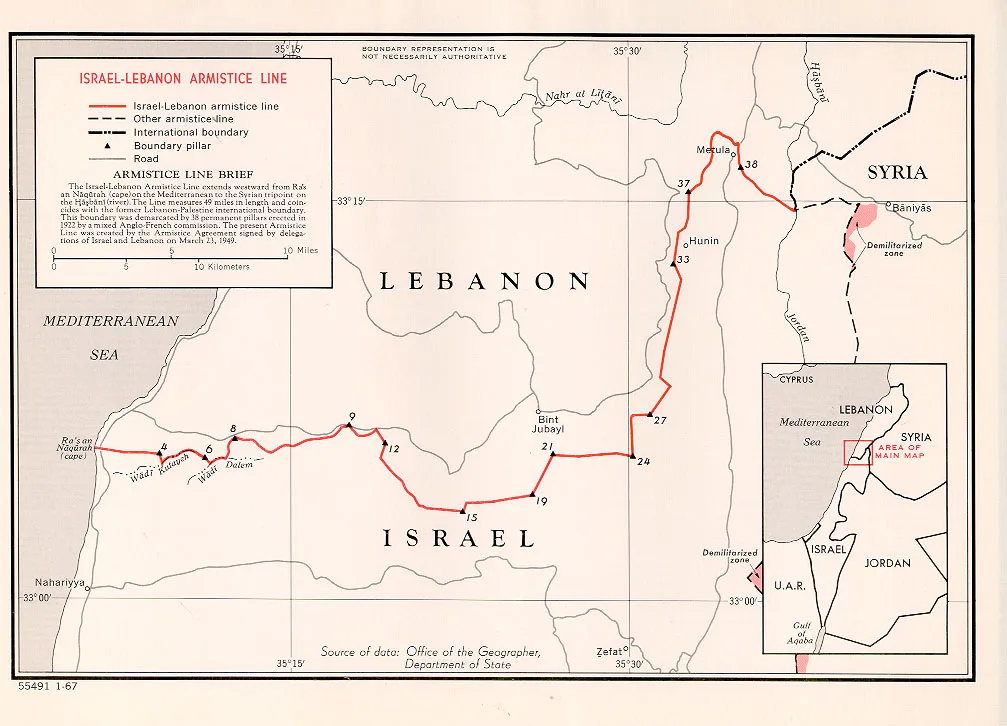
The standoff is the central obstacle at Tampa. President Aoun warned that Israel continues assaulting southern towns and villages — demolishing homes, bulldozing land, blocking farmers — in direct breach of the US-brokered framework, according to TRT World, and said occupied border areas prevent the army from deploying to the frontier under UN Resolution 1701.
What the Tampa talks could decide
The October 20 meeting should focus on a halt to Israeli strikes, a withdrawal timetable, and extending the peacekeeping mandate beyond 2027. Beirut wants disarmament and withdrawal to move together. See our coverage of rising tensions in the West Bank, where European diplomats were attacked earlier this week. Unconfirmed: the delegation’s composition, Israel’s response, and what the US will commit as mediator.
Sources: Reuters reporting on the Lebanese presidency announcement; TRT World; The Times of Israel. Information current as of October 18, 2026.
FAQs
What is happening in Lebanon right now?
Israel continues to carry out strikes in southern Lebanon despite a US-brokered framework meant to end the fighting. Beirut says it is disarming armed groups under cabinet directives, but insists Israeli forces must withdraw in parallel. Direct military talks resume in Tampa on October 20.
Why did Israel invade Lebanon in 2026?
The current war began on March 2, when fighting erupted between Israel and the Iran-backed Hezbollah, triggered by the wider regional conflict. Under the US-brokered deal, Beirut agreed to disarm Hezbollah in exchange for Israel’s gradual withdrawal — but Hezbollah refused to disarm while Israeli troops remain, and Israeli strikes have continued.
What is the Israel Lebanon ceasefire framework?
The Israel-Lebanon ceasefire framework is a US-brokered deal under which Lebanon vowed to disarm Hezbollah, after which Israeli troops would gradually withdraw from Lebanon. Both sides accuse the other of violating it: Beirut says Israel keeps bombing the south, while Israel says Hezbollah refuses to disarm.
Who is Hezbollah and why does it matter in the talks?
Hezbollah is the Iran-backed armed group whose disarmament is the centerpiece of the US-brokered deal. It has refused to give up its weapons while Israeli forces remain on Lebanese land, and Israel says it strikes Hezbollah targets in southern Lebanon that violate the agreement.