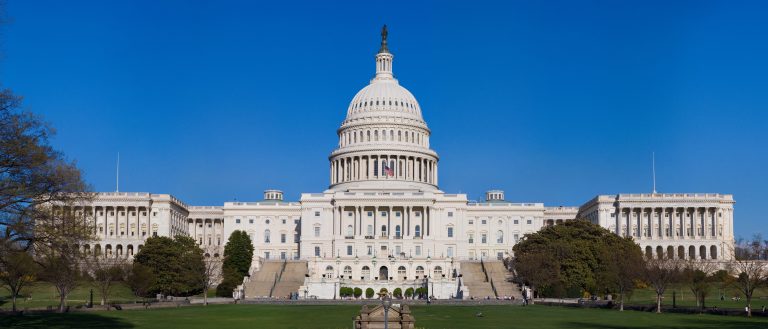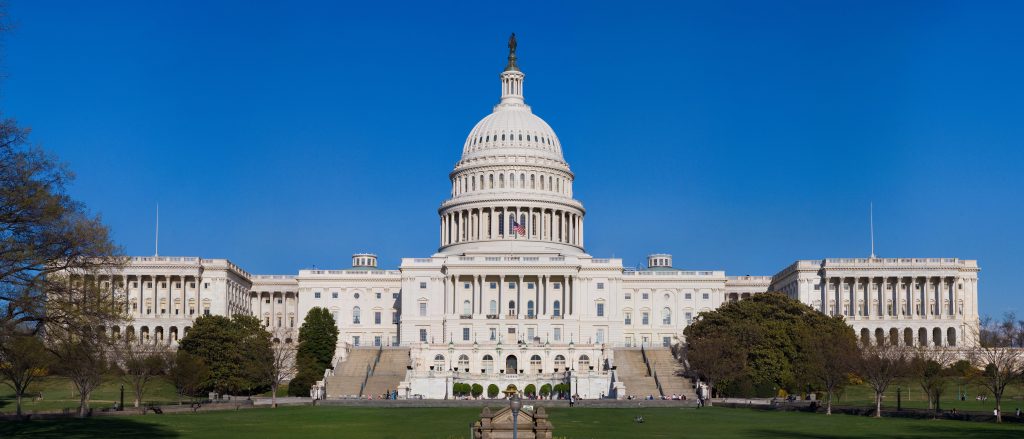
Voting is underway across the United States on Tuesday, 3 November 2026, in midterm elections that will decide control of Congress for the final two years of President Donald Trump’s second term. It is the first nationwide vote since the 2024 presidential race, and Democrats go into Election Day leading the final national polls — but, as every recent midterm has shown, a national lead does not by itself decide control of either chamber.
No results are available yet while polling continues. Counting begins on Tuesday night in the United States, but the full picture — particularly in the Senate — could take days or even weeks to emerge, according to election-night guides.
What is on the ballot
All 435 seats in the House of Representatives are up for election, along with 35 of the 100 Senate seats and governorships in 36 states. Republicans currently control both chambers. Democrats need a net gain of three House seats and four Senate seats to win majorities in both chambers, a figure cited consistently across final pre-election coverage.
In the Senate, Republicans hold a 53–47 edge. A net Democratic gain of four would deliver 51 seats; at 50–50, the Republican vice-president would break ties, which is why four, not three, is the number that matters there. In the House, 218 seats are needed for a majority.
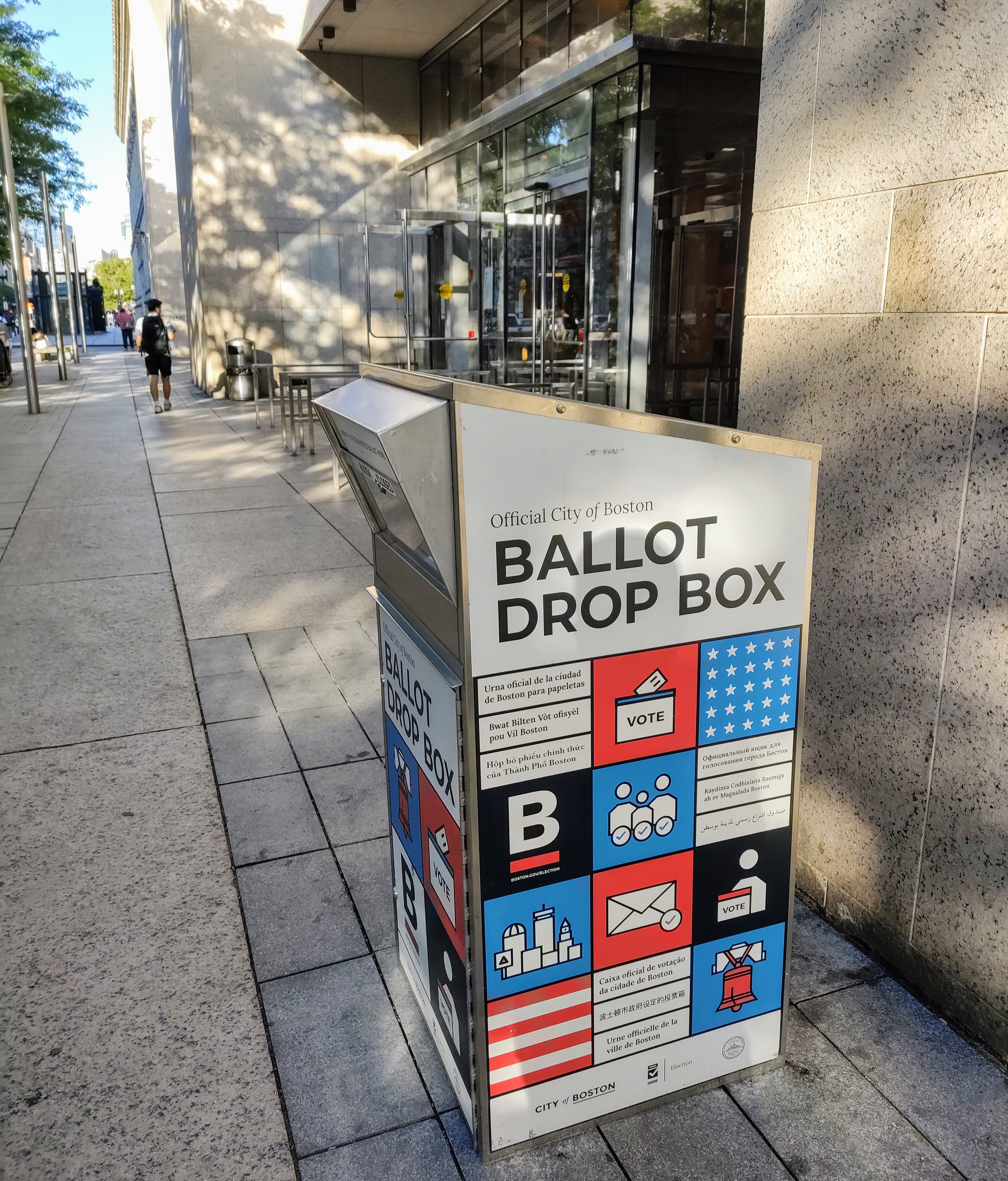
More than 57 million votes were already cast
More than 57 million people had already cast ballots before Election Day, according to the University of Florida Election Lab, well above the 46 million who voted early in the 2022 midterms. An earlier figure of more than 51 million, cited from Al Jazeera reporting on 1 November, reflects an earlier cut-off date, not a conflicting count. Emadan News previously reported the early-vote total passing 57 million; Election Day voting now adds to that total.

What the final polls said
Democrats led the national congressional ballot by roughly eight to ten points in the final major polls. Reuters/Ipsos, surveying 22–26 October, put Democrats ahead 53% to 44%; CNN/SSRS, 15–18 October, put the lead at 49% to 39%; and AP-NORC, 8–12 October, found 47% of voters wanted Democrats to control the House against 38% who wanted Republicans to stay in charge.
The Senate, however, will be settled by a handful of close state races rather than the national numbers. Final New York Times/Siena polls, conducted 23 October to 1 November, showed Democratic candidates ahead in Texas, Ohio, Michigan and Alaska and effectively tied in Iowa, according to final-day coverage. In Georgia, Democratic Senator Jon Ossoff is seeking re-election against Republican Representative Mike Collins in one of the earliest states to close.
Polls are not results. They measure opinion before Election Day, and the outcome will depend on turnout, late-deciding voters and whether narrow leads in Republican-leaning states convert into victories.
When polls close, and when results will come
Polls close first at 7 p.m. Eastern Time in Georgia, Indiana, Kentucky, South Carolina, Virginia and Vermont. At 8 p.m. Eastern, more than half the country has finished voting, including Florida, Pennsylvania, Illinois, Maryland, Massachusetts and New Jersey. The West Coast states — California, Idaho, Oregon and Washington — close at 11 p.m. Eastern, Hawaii closes at midnight Eastern, and Alaska, the last state, closes at 1 a.m. Eastern on Wednesday.
Voters still in line when polls close are entitled to vote. Results will not arrive simultaneously across the country because polling hours and counting procedures differ by state.
What voters say matters most
The economy and the cost of living dominate voters’ stated priorities. In the AP-NORC survey, about 85% of voters called the economy an important issue in deciding how to vote and about eight in ten said the same about the cost of living, with healthcare and the war in Iran also ranking highly. The election is also on track to be the most expensive in US history, with OpenSecrets estimating total spending of $11.9 billion by candidates and outside groups.
Two late Election Day context points are worth noting. The Supreme Court turned down a bid to have thousands of disputed California mail-in ballots set aside, after a federal judge ordered the administration to stop the demand, according to Indian Express live coverage. And the Michigan Senate race was shaken late in the campaign when Democratic Representative Haley Stevens endorsed Republican Mike Rogers over her party’s nominee, Abdul El-Sayed.
Why the result matters beyond Washington
If Republicans hold both chambers, Trump would keep a friendly Congress for his final two years, with Senate control of judicial and executive confirmations intact. If Democrats win the House only, divided government returns: a Democratic House could block or reshape legislation, control spending bills and use its committees to investigate the administration. If Democrats win both chambers, they could limit what Trump can pass in the second half of his presidency. Those are the stakes as framed by pre-election analysis — the votes themselves will decide which, if any, comes to pass.
What happens next: polls close state by state through Tuesday night US time, counting follows, and close Senate races may remain unresolved for days. This article will be updated only if a verified result or a material new development justifies it; no winner will be claimed before counting supports it.
Frequently asked questions
What is at stake in the 2026 midterms? Control of Congress: all 435 House seats, 35 Senate seats and 36 governorships, deciding how much room President Trump has with Congress in his final two years.
How many seats do Democrats need? A net gain of three House seats and four Senate seats for majorities in both chambers.
When will results be known? Counting starts Tuesday night US time, but close races — especially for the Senate — could take days or weeks.
Sources
- Economic Times — US Midterm Elections 2026 live updates
- Indian Express — US Midterm Elections 2026 live updates
- Deccan Herald — Explained: What you need to know about the 2026 US midterm elections
- New Indian Express — US midterm elections 2026: What’s at stake and why the results matter
- Times Now — How to follow election night: hour-by-hour guide to US midterm results
- Economic Times — US midterm elections: polls show Democrats gaining ground in key races
- Related Emadan coverage: US Midterms 2026: More Than 57 Million Votes Cast Early Before Election Day and NBC News Poll: Democrats Open 7-Point Lead in Race for Congress Before Midterms