Australia’s central bank has raised its cash rate to an 18-year high, lifting it by 25 basis points to 4.85% in a split vote that signals policymakers may be nearing the end of their tightening campaign.
The Reserve Bank of Australia (RBA) board announced the decision on Tuesday, 3 November, after its November policy meeting. It is the fifth increase of 2026 and takes the cash rate to its highest level since 2008. The new rate takes effect on 4 November.
The vote was 6–3, with three board members preferring to hold the rate at 4.60%. The narrower-than-expected split surprised some market watchers: 30 of 32 economists polled by Reuters had expected a hike, but the closeness of the vote suggested the bar for another increase is now higher.
Why the bank moved again
The RBA said it would continue to do what it considers necessary to bring inflation to target, but it removed a reference to increasing the cash rate further if needed — a change read by markets as a softening of its tightening bias.
Inflation remains the driving force. Headline consumer price inflation rose 4.3% in the year to September, up from 4.0% in August, according to Australian Bureau of Statistics data released on 28 October. Underlying inflation in the September quarter was 3.7% a year, well above the RBA’s forecast path, according to market coverage of the decision.

The bank’s updated forecasts, reported alongside the decision, show inflation staying above 3% for the coming year and not reaching the top of its 2–3% target range until late 2027 — around three quarters later than previously forecast. Unemployment rose to 4.7% in September, and the RBA now expects it to rise further.
A year of tightening, now in question
The 125 basis points of tightening delivered in 2026 has more than reversed the 75 basis points of easing in 2025, putting Australia at the hawkish end of developed-market central banks, Reuters reported. The cash rate stood at 4.35% before rising in February, March and May, then to 4.60% on 29 September and now to 4.85%.
RBA Governor Michele Bullock acknowledged in her post-meeting press conference the difficulties higher interest rates create for households, according to coverage of the briefing.
Housing is one channel through which the hikes bite: dwelling approvals rose 5.1% in September as apartments rebounded, but the RBA noted housing prices have fallen significantly and the economy is slowing.
Market reaction and what comes next
The Australian dollar slipped 0.3% to US$0.6979 after the decision, and three-year government bond futures fell, Reuters reported. Markets are now wagering the RBA will hold in December after the split vote.
The bank’s next decision is due on 8 December, following a meeting on 7–8 December, and the minutes of the November meeting are due on 17 November. Economists at CBA, NAB and Westpac do not expect another hike in December, while ANZ flags a risk the cash rate reaches 5.10% in December or February, according to Aussie’s summary of forecasts. Those are third-party forecasts, not RBA guidance, and the board has said it will be guided by incoming data.
What it means for borrowers
For households, a 25-basis-point rise in the cash rate typically flows through to variable mortgage rates if the major banks pass it on in full, as they did with the September rise. The split vote, however, suggests some board members already believe the tightening delivered this year is doing its job — which matters for anyone deciding whether to fix, refinance or wait. This article is not financial advice; borrowers should check their lender’s announcement.
Sources
Nikkei Asia (Reuters) — Australia’s central bank lifts rates to 18-year high in split vote
The Business Times (Reuters) — Australia’s central bank lifts rates to 18-year high of 4.85%
Aussie — What experts predict for the RBA’s December 2026 interest rate decision
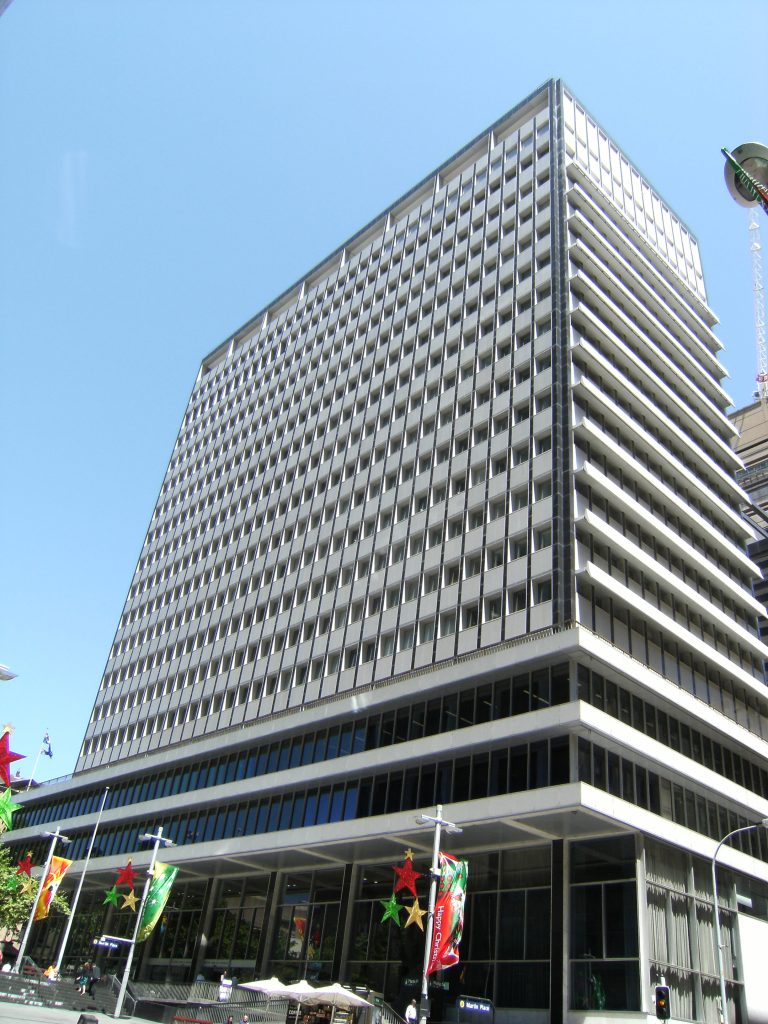
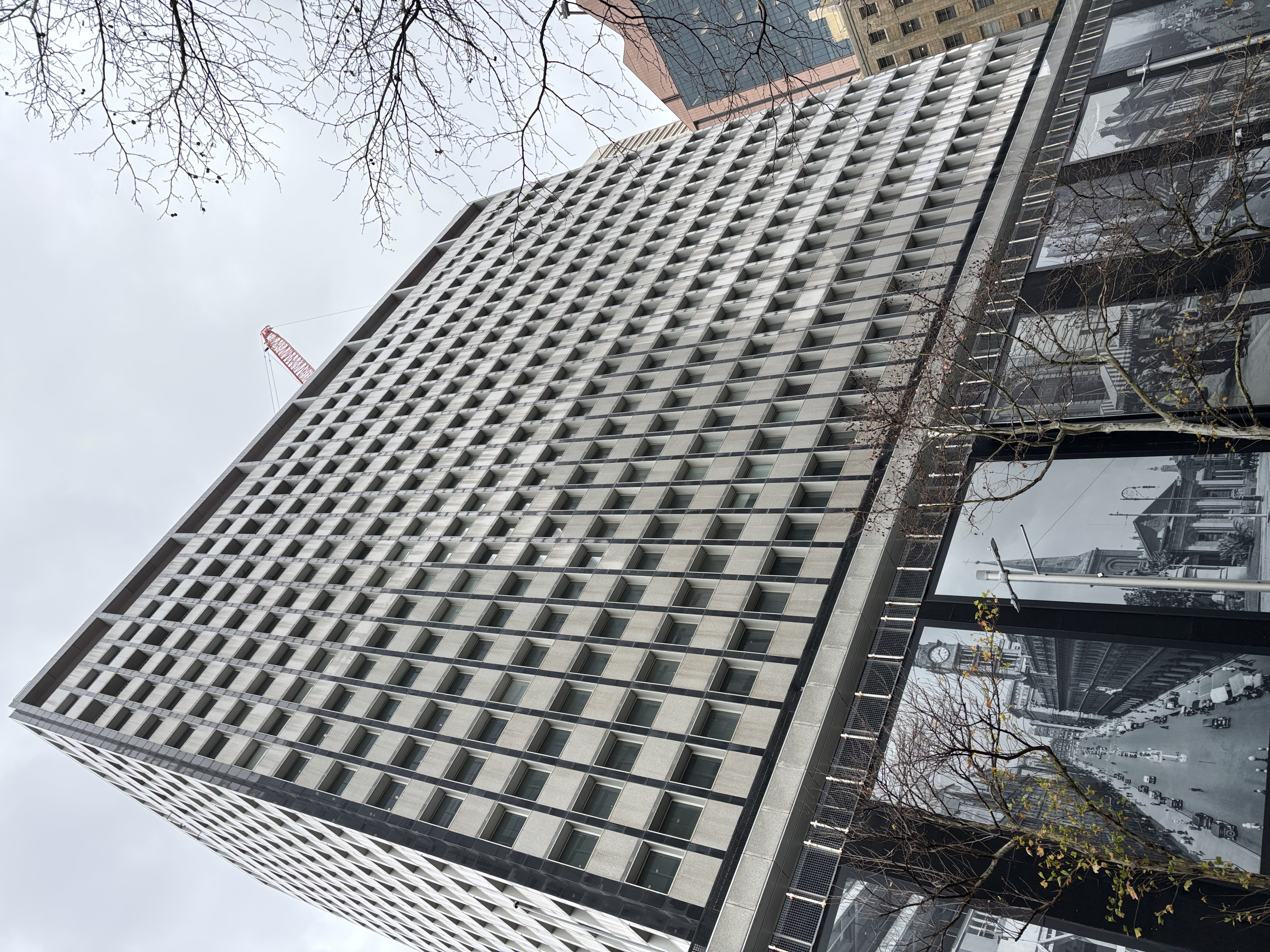
Note: photos in this article are file photos used to illustrate the Reserve Bank and the Australian economy generally, not photographs of the 3 November meeting.