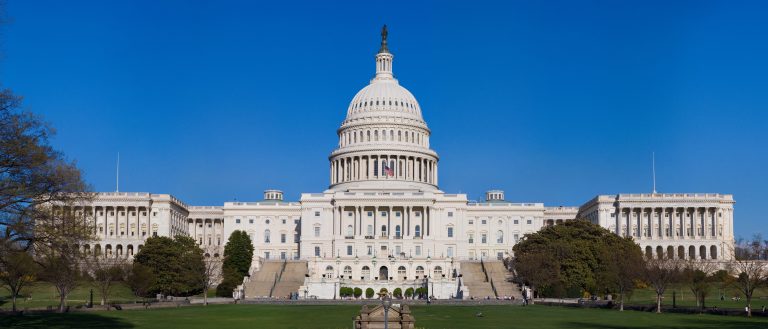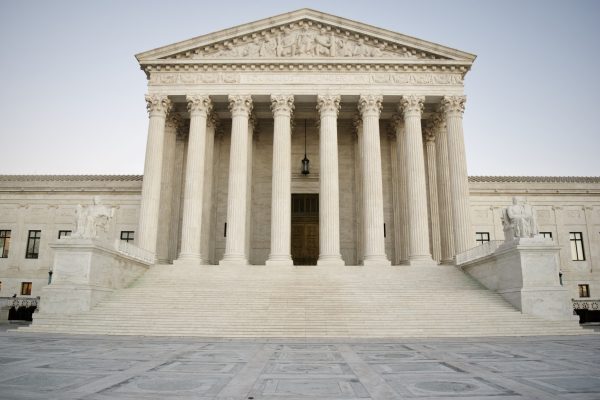
The Trump administration asked the US Supreme Court on Monday, November 2, to direct California to set aside mail ballots cast by people on a federal list of more than 20,000 registered voters whom federal officials allege are likely not US citizens. The emergency request arrived one day before the November 3 midterm elections, in which voters will help decide which party controls Congress. The administration wants those ballots separated from other ballots and held back from counting until each voter’s citizenship can be verified.
What the administration is asking for
It is seeking an order that California segregate mail ballots linked to people on the list, rather than counting them with other ballots, and an interim administrative order to that effect while the justices consider the full application. Its central argument, in its own filing, is that once challenged ballots are mixed with lawful ones they cannot later be retrieved. The filing was made by Solicitor General D. John Sauer. The request goes first to Justice Elena Kagan, who handles emergency applications from the 9th Circuit.
How the list was put together
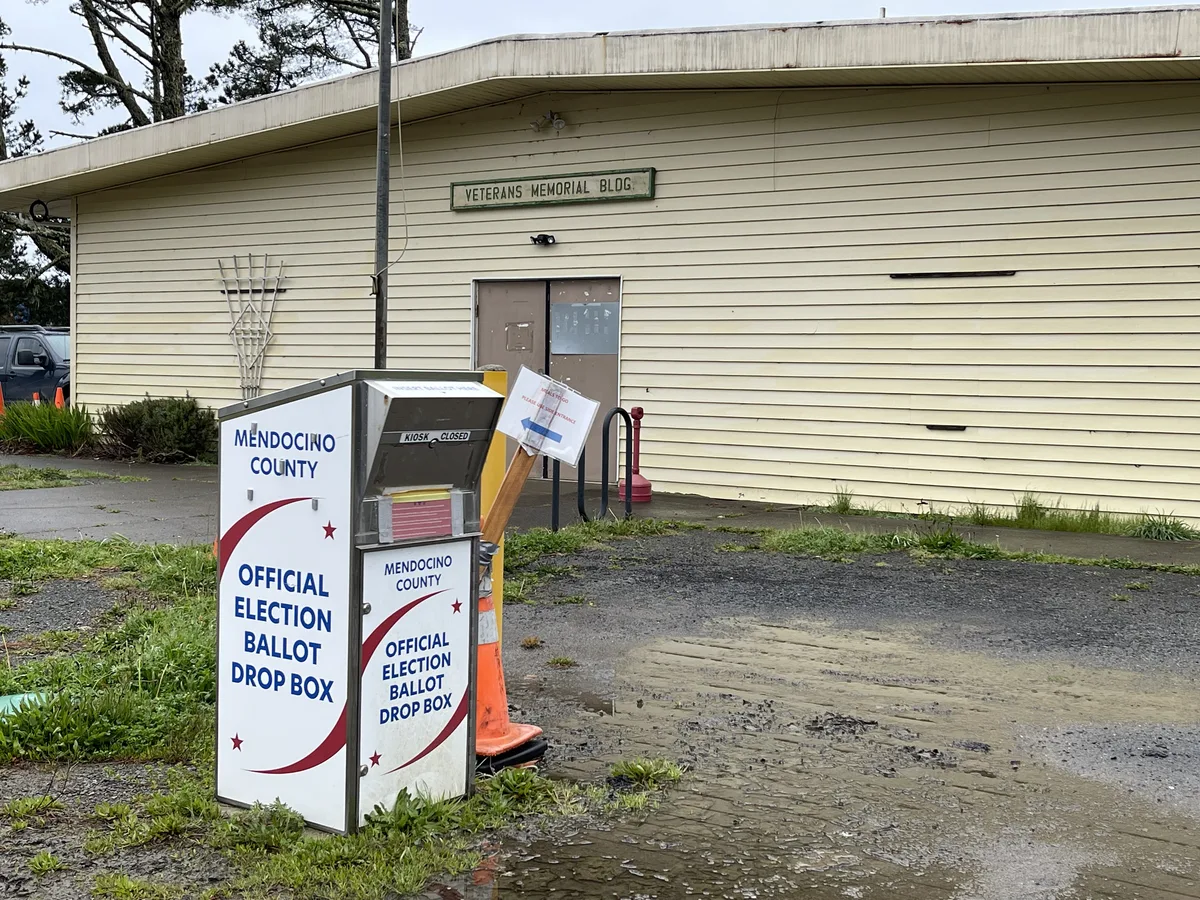
The list was assembled by the Department of Homeland Security, including US Citizenship and Immigration Services and Homeland Security Investigations, from California voter-roll data obtained during the summer. Federal officials sent it to California officials and to Los Angeles County officials in October and asked the state to hold back ballots connected to the people named while their citizenship was investigated. On October 15 the Justice Department sued California, arguing the state was unlawfully preventing enforcement of a 1996 federal law that makes it a criminal offence for noncitizens to vote in federal elections, and invoking the Constitution’s Supremacy Clause.
Why lower courts refused
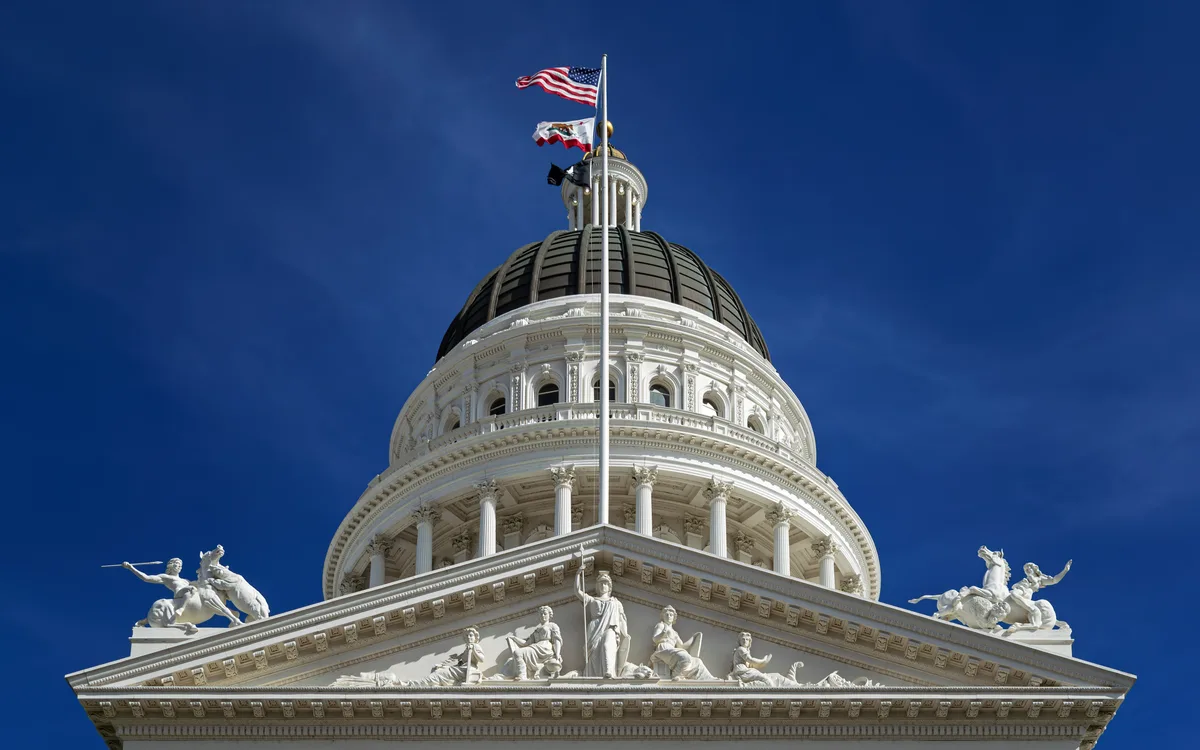
US District Judge David Carter in Los Angeles rejected the Justice Department’s request for a temporary restraining order on October 28. He said the administration had not shown a credible process for creating its list and warned, in substance, that no federal government had previously tried on the eve of an election to force a state to abandon its own constitutional election procedures. On October 30 the San Francisco-based 9th US Circuit Court of Appeals also refused the request, by 2-1. The majority said there was no feasible way to identify and separate the ballots of specific individuals without potentially serious effects on the whole system, and that ordering changes days before Election Day could risk barring eligible voters and jeopardising the Los Angeles County election. Circuit Judge Patrick Bumatay dissented, calling the government’s proposal reasonable. California has said it already has safeguards to protect election integrity, including a system for cancelling registrations shown to be ineligible, and has described the federal list-making process as highly suspect.
Why this matters on election eve
The Constitution gives states and Congress, not the executive branch, the main responsibility for regulating federal elections, and that division of authority is at the heart of the dispute. The administration argues it is enforcing the law against noncitizen voting in federal contests. Election-law expert Rick Hasen of the University of California, Los Angeles, described the Supreme Court appeal as a long-shot petition, arguing the administration is seeking an extraordinary remedy that exceeds federal power under election law and comes too close to the election. The administration had already sought to restrict voting by mail earlier this year, an effort the Supreme Court rebuffed in September.
What is not yet established
The Supreme Court has not decided the request. It is not clear whether the justices will treat it as an emergency, and if Justice Kagan asks California for a response, that process could take days — potentially beyond Election Day. Crucially, the claim that the people on the list are noncitizens is the administration’s allegation, not an established fact: California disputes the list, and the lower courts found the government had not shown it was entitled to the extraordinary relief sought. No finding has been made that any particular ballot on the list was cast unlawfully, and the number of ballots actually affected will depend on how many of the listed voters cast mail ballots.
What happens next
If the Court grants interim relief, California would have to segregate the disputed mail ballots while the underlying appeal continues. If it does not, counting proceeds under the procedures the lower courts left in place. Either way, the underlying legal fight over the list and the state’s election procedures will continue after the midterms.
FAQ
What did the Trump administration ask the Supreme Court to do? To order California to set aside mail ballots from more than 20,000 voters on a federal list and not count them until citizenship is verified.
Why did lower courts refuse? They found no feasible way to separate those ballots without risking eligible votes and disrupting the election system so close to voting.
Has the Supreme Court decided? No; as of the November 2 filing the request was pending, with Justice Elena Kagan handling it first.
Sources
- Reuters — https://www.reuters.com/world/trump-administration-takes-california-ballot-fight-supreme-court-2026-11-02/
- USA Today — https://www.usatoday.com/story/news/politics/elections/2026/11/02/trump-supreme-court-california-ballots-noncitizens/92520880007/
- The Desert Sun — https://www.desertsun.com/story/news/politics/elections/2026/11/02/california-ballot-fight-reaches-supreme-court-before-election/92565981007/
- DNYUZ — https://dnyuz.com/2026/11/02/trump-lawyers-ask-supreme-court-to-set-aside-20000-california-ballots/