The United States struck Iran’s Qeshm Island on Monday, the Wall Street Journal has reported, citing US officials, in the latest of a series of limited strikes Washington has secretly carried out against Iran in recent weeks.
The report, published on Monday, describes the Qeshm operation as part of a smaller-scale campaign that has deliberately been kept quiet, in contrast to the wider war between the US and Iran that began on 28 February. The US military has not publicly announced the Qeshm strike, and US Central Command did not immediately respond to a request for comment, according to the Journal and Reuters.
That distinction matters for readers: what is firmly established at this stage is that the Wall Street Journal has reported the strike, citing US officials — not that the US military has publicly confirmed it. No damage assessment and no casualty figures have been reported.
What the Wall Street Journal reported
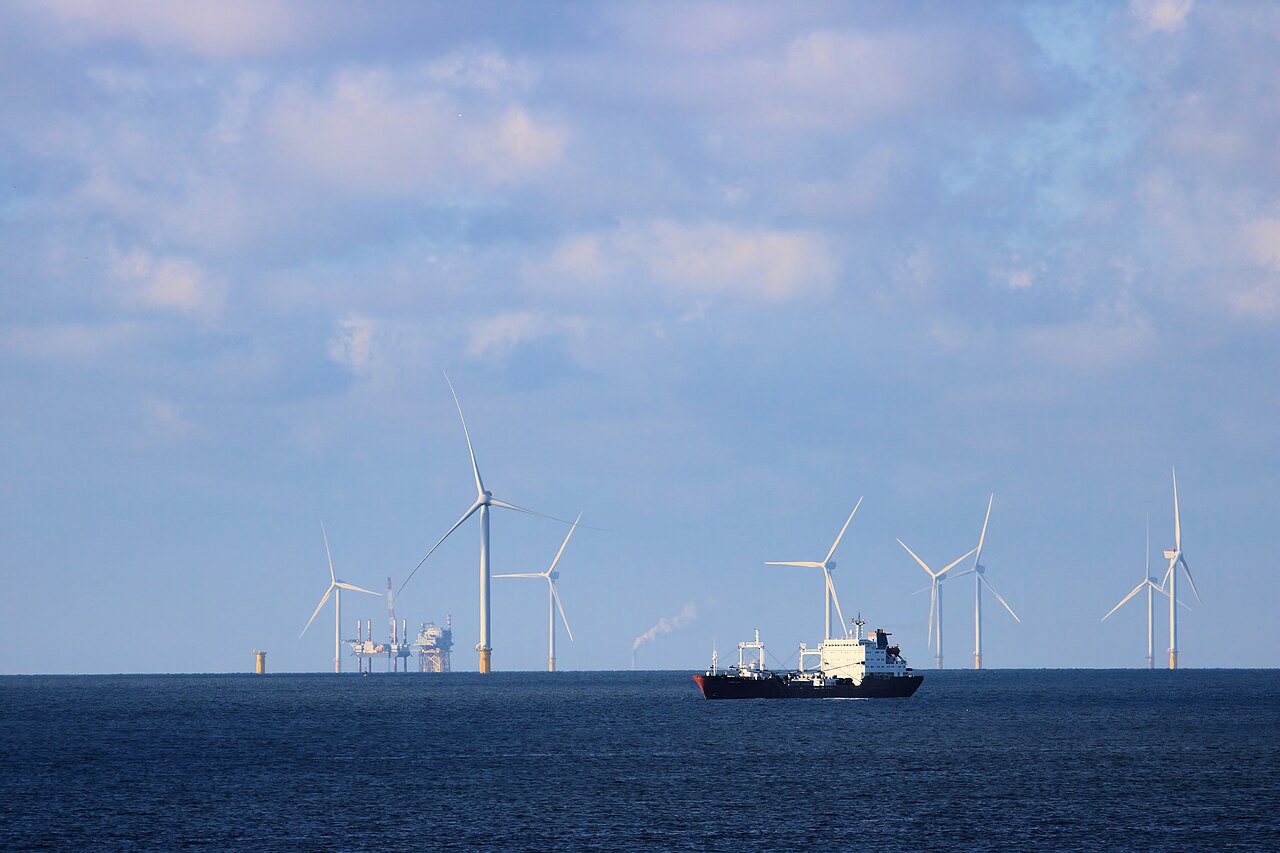
According to the Journal, US officials said the assault on Qeshm was the latest in a series of limited strikes carried out in recent weeks. The officials described some of the operations as defensive in nature, aimed at preventing Iran from having the freedom to attack commercial ships in the Strait of Hormuz, the narrow waterway through which a large share of the world’s seaborne oil passes.
The Journal also reported that Washington has purposefully kept the campaign quiet so as not to signal any intention of resuming major combat operations. Qeshm, it said, had previously been targeted in earlier rounds of the fighting, and officials have discussed seizing the island.
President Donald Trump, speaking to reporters on Monday, played down the prospect of a return to war after Tuesday’s midterm elections. “We had a war with Iran. We won,” he said. Asked whether he was considering striking Iran after the midterms, he replied “no”, although administration officials told the Journal the president was still weighing all his options.
Iran’s Foreign Ministry spokesperson, Esmail Baghaei, told reporters in Tehran on Monday that “the ball is in the U.S. court” on any prospective deal to end the war.
Explosions reported on Qeshm
Separately, Iranian state media reported explosions on Qeshm late on Monday. The state news agency IRNA said five explosions were heard in rapid succession and that their intensity suggested something had hit the island itself. Some residents reported seeing two aircraft overhead, according to IRNA’s account.
Local and provincial officials had not given an account of what happened, and there were no immediate reports of casualties or damage. Those details remain unconfirmed and should not be treated as a damage assessment.
Iran’s Revolutionary Guards separately claimed they had shot down and captured US drones near the Strait of Hormuz, including one MQ-9 Reaper east of the strait and two smaller MQM-170 drones south of Qeshm. That is an Iranian claim, reported by Iranian agencies; the US military has disputed some earlier Iranian claims about captured drones, and the drone claim is not, on its own, proof of the strike reported by the Journal.
Why Qeshm matters
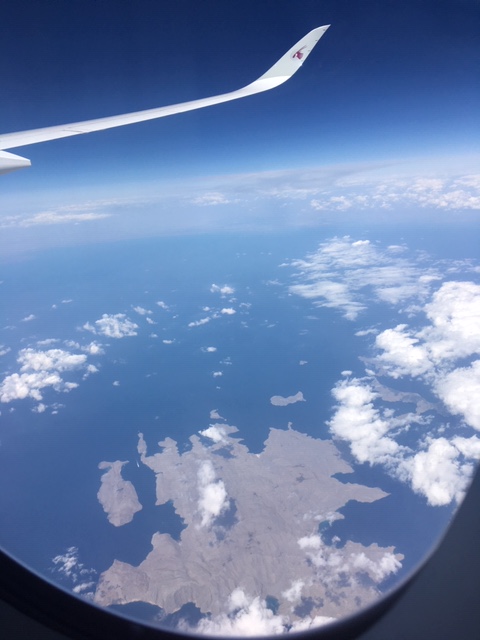
Qeshm is Iran’s largest island and sits at the mouth of the Strait of Hormuz, off the port city of Bandar Abbas. The Journal describes it as home to a large underground missile site, a naval base and a major desalination plant — a combination that makes it strategically significant for both Iran’s military posture in the Gulf and for shipping through the strait.
The island’s position also explains why any operation there carries wider consequences: disruption in or around the Strait of Hormuz can affect global energy shipments, insurance costs for tankers and tensions across the Gulf, even when the operation itself is described as limited.
The wider context
The reported strike comes at a sensitive political moment. The US midterm elections take place on Tuesday, 3 November, and Trump has for weeks said the US might return to all-out war against Iran after the elections, while also talking up the possibility of a diplomatic deal.
The Journal reported that Adm. Brad Cooper, the head of US Central Command, visited the White House last week to brief Trump on the conflict, and that Central Command has moved more missile defences and munitions into the region in recent weeks. It also reported that the US has told Gulf nations to prepare for a short and intense operation shortly after the election — a report that sits alongside, and does not by itself confirm, the Qeshm operation.
Oil prices fell sharply on Monday amid renewed hopes of a US-Iran agreement, a reminder that markets are reacting to both the diplomacy and the military signals at the same time.
What is not yet known
Several important questions remain unanswered: the US military has not publicly confirmed the strike or described its targets, weapons or results; Iran has not publicly confirmed a US strike on the island; and no casualty or damage figures have been released by either side. Until an official statement or independently verified evidence emerges, the accurate description remains that the strike has been reported by the Wall Street Journal, citing US officials, following explosions reported by Iranian state media.
What to watch next includes any statement from US Central Command or the Pentagon, any Iranian official statement on the explosions, and whether further limited operations are reported in the coming days — as well as whether the diplomatic track Trump has talked up produces any concrete development after the midterms.
Frequently asked questions
Did the US military confirm the Qeshm strike? No. As of publication, US Central Command had not immediately responded to requests for comment, and the strike rests on the Wall Street Journal’s reporting, citing US officials.
Were there casualties or damage on Qeshm? No casualty or damage figures have been reported. Iranian state media reported five explosions but no immediate casualty or damage reports.
Why is Qeshm strategically important? It is Iran’s largest island, at the mouth of the Strait of Hormuz, and is described as hosting a naval base, a large underground missile site and a major desalination plant.
Sources:
- Wall Street Journal: U.S. Strikes Iran’s Qeshm Island as Trump Talks Down War Risks — https://www.wsj.com/world/middle-east/u-s-strikes-irans-qeshm-island-as-trump-talks-down-war-risks-79d73d3d
- Reuters: US struck Iran’s Qeshm Island, Wall Street Journal reports — https://www.reuters.com/world/middle-east/us-struck-irans-qeshm-island-wall-street-journal-reports-2026-11-03/
- Times of Israel: US said to strike Iranian island in Strait of Hormuz — https://www.timesofisrael.com/liveblog_entry/us-said-to-strike-iranian-island-in-strait-of-hormuz/
- The Insight International (reporting IRNA and Tasnim accounts): Explosions reported on Iran’s Qeshm Island — https://theinsightinternational.com/iran-qeshm-island-explosions-irgc-us-drones-hormuz-november-2/