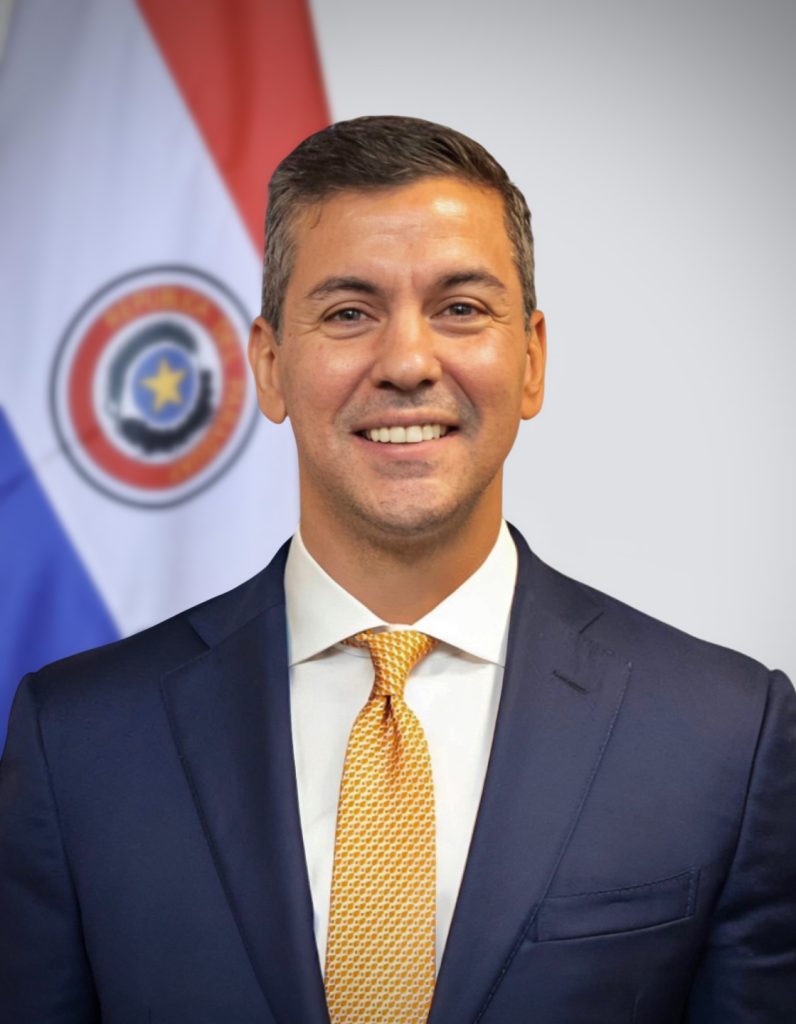
Paraguayan President Santiago Peña resigned on Thursday after the collapse of digital bank ueno left millions of people unable to access their money, triggering protests and a push in Congress to remove him from office.
Peña announced his decision in a video message posted on his social media accounts, saying he was stepping down with the stability of the country in mind.
“I have made the decision to submit my resignation from the Presidency of the Republic. I do so with the stability of our country, social peace, and the need to preserve our public institutions in mind,” he said.
Under Paraguay’s Constitution, Congress must accept or reject the president’s resignation. Vice President Pedro Alliana is in line to succeed him.
What happened to ueno bank?
Ueno, which spells its name with a lowercase “u”, grew rapidly from a niche financial technology company into one of Paraguay’s largest digital lenders. As of June, it said it had around 3 million customers in a country of about 6.5 million people, and administered roughly $850 million in public funds, including money from state institutions and pension-related bodies, according to Reuters.
Paraguay’s central bank intervened in the bank after determining that it had breached minimum solvency requirements. Regulators found poorly documented lending to companies linked to the bank’s owners, and expenses that had wrongly been counted as assets. Once the books were corrected, ueno’s capital — the cushion banks must hold to absorb losses — had fallen to less than half the legal minimum.
The central bank seized the lender on Tuesday and put it into resolution, its strongest measure short of immediate liquidation. Customers found their accounts blocked and were unable to use the bank’s app, online banking, cards or ATMs. The central bank said it was working to transfer customer accounts to other financial institutions.
Central bank chief Carlos Carvallo resigned on Tuesday after the bank was put into resolution.
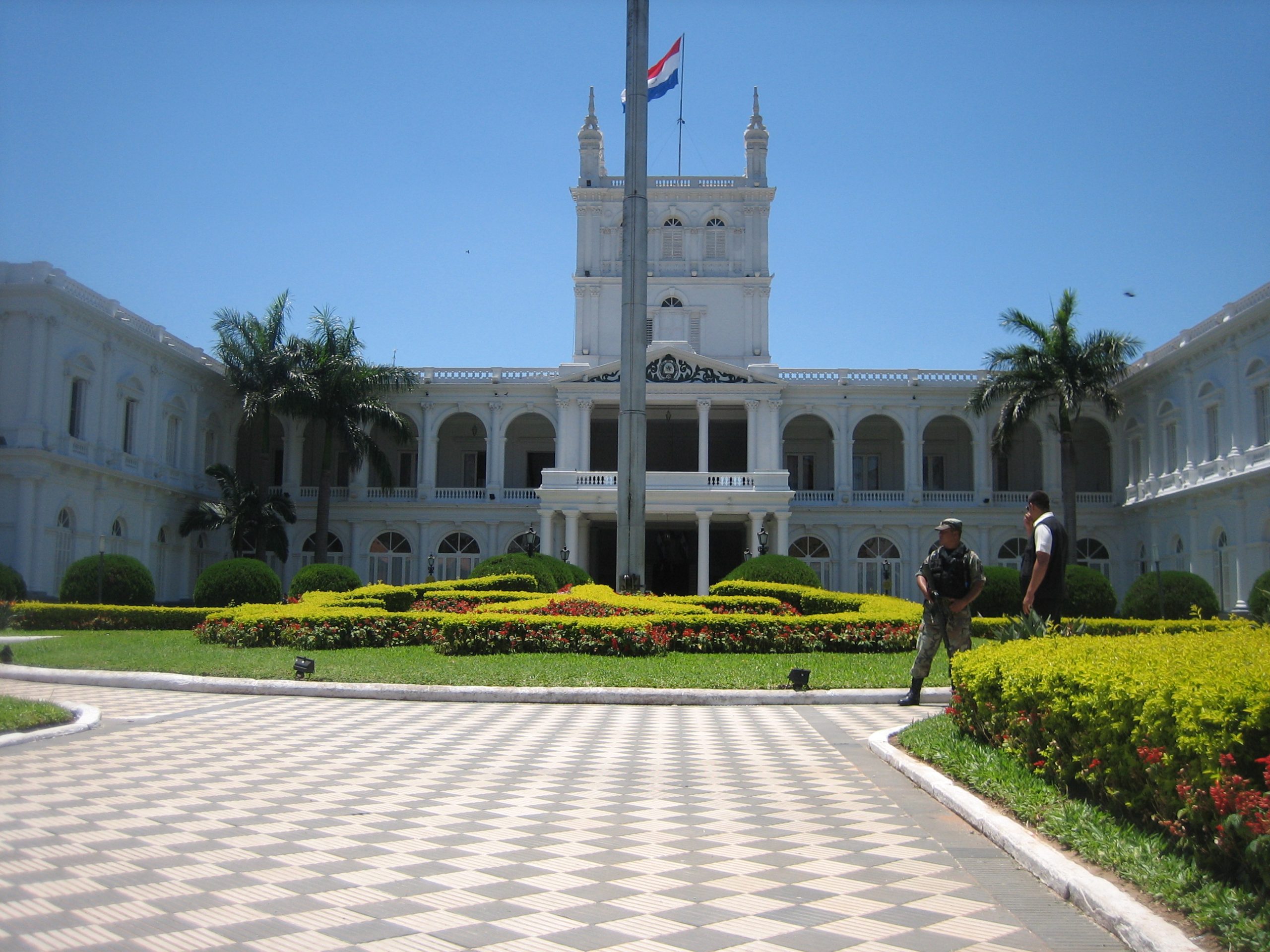
Why Peña faced calls to go
Peña, an economist elected in 2023 who took office in August that year for a five-year term, has faced political scrutiny because of his past business ties to Grupo Vázquez, the group linked to ueno. Peña has said he was a Grupo Vázquez shareholder until March 2025, when he sold his stake. Ueno says Peña never had a direct relationship with the bank as a shareholder or investor.
Opposition lawmakers accused Peña of conflict of interest, misuse of pension funds and institutional cover-up. Thirty-five opposition lawmakers and ruling-party dissidents brought charges proposing his removal from office, accusing him of “serious and systematic dereliction of duty” in connection with his dealings with the bank.
Prosecutors said on Thursday that Peña was among those being investigated over the bank’s failure, but he has not been taken in for questioning. Eight ueno executives have been arrested, including founder Miguel Vázquez and bank president Juan Manuel Gustale, and 26 people have been charged, including all eight members of the bank’s board.
Peña offered an apology in his resignation message but stopped short of accepting responsibility for the banking crisis.
Protests and the impeachment vote
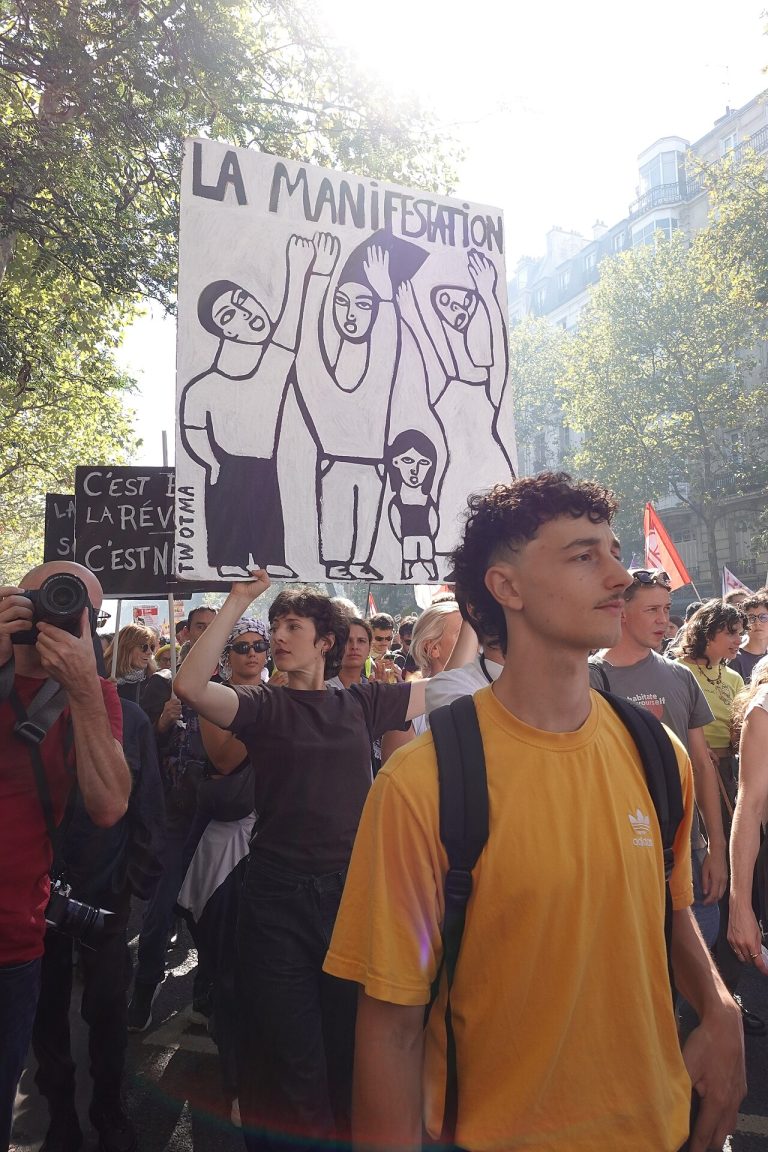
Protests have rocked the capital, Asunción, for three days. On Wednesday night, police used pepper spray and rubber bullets to disperse hundreds of protesters who had gathered to demand the return of their deposits and call for Peña’s impeachment.
Peña submitted his resignation while lawmakers were debating the charges against him. Soon after he announced it, Paraguay’s Chamber of Deputies voted unanimously — 78 votes in favour — to trigger impeachment proceedings. The Senate will determine whether the proceedings move forward, and both chambers of Congress were due to convene in a joint session to consider his resignation.
Peña’s own Colorado Party backed his removal on Thursday, according to the Associated Press.
Earlier in the week, Peña approved legislation to help accelerate payments to depositors affected by the collapse. The law sets a limit of five business days to return most of the funds to depositors.

What happens next
– Congress must decide whether to accept Peña’s resignation in a joint session.
– Vice President Pedro Alliana is in line to take office as president if the resignation is accepted.
– The Senate will decide whether impeachment proceedings against Peña move forward.
– The central bank’s transfer of ueno customer accounts to other banks will determine how quickly depositors regain access to their money.
– Prosecutors’ investigation into the bank’s failure continues, with executives already arrested and charged.
Frequently asked questions
Why did Paraguay’s president resign?
Santiago Peña resigned after the collapse of digital bank ueno, which left about 3 million customers unable to access their money and triggered protests and an impeachment push in Congress.
Who will replace Peña?
Vice President Pedro Alliana is in line to succeed him, once Congress accepts the resignation.
What went wrong at ueno bank?
Regulators found the bank had breached minimum solvency requirements. After its books were corrected, its capital had fallen to less than half the legal minimum, and the central bank seized it.
Will depositors get their money back?
Peña approved legislation setting a five-business-day limit to return most funds to depositors, and the central bank is transferring accounts to other banks. The process is still under way.
Sources
– https://www.reuters.com/business/finance/what-is-ueno-bank-how-did-it-trigger-paraguays-political-crisis-2026-11-05/
– https://www.cnn.com/2026/11/05/americas/president-paraguay-resigns-latam-intl
– https://www.aljazeera.com/economy/2026/11/5/paraguay-president-pena-resigns-in-wake-of-bank-collapse
– https://buenosairesherald.com/world/paraguay-ueno-bank-crisis-lower-house-votes-on-penas-impeachment
– https://economictimes.indiatimes.com/news/international/world-news/paraguay-president-santiago-pena-resigns-after-bank-takeover-sparks-protests-threatens-millions-of-depositors/articleshow/135582855.cms