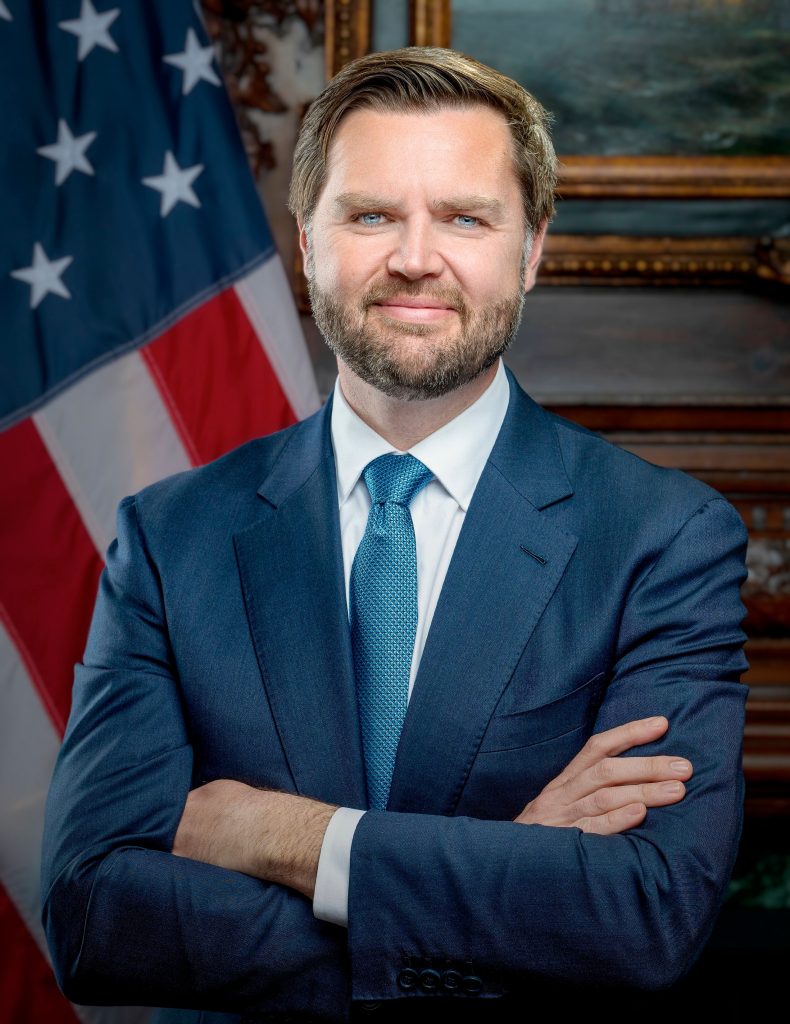
US Vice President JD Vance has said Washington and Tehran have made progress toward a negotiated settlement to end their confrontation, striking an optimistic note on Monday even as the threat of renewed American strikes remains on the table.
Speaking to reporters on Monday, Vance said he had discussed the talks with President Donald Trump about an hour earlier and that both men were encouraged by the direction of the diplomacy.
“The president and I both feel pretty good about the prospects for potentially coming to a negotiated settlement. We’re going to keep on working at it,” Vance said. “We’ve certainly made some progress. We’ll see if we can make some more.”
No deadline set, Vance says
Asked whether the United States had given Iran a deadline before strikes could resume, Vance was direct: “No, we haven’t set deadlines.”
He added a warning that ran alongside the optimism. “The Iranians are always a little unpredictable, and as the president always says, he retains kinetic options. He retains non-kinetic options,” Vance said.
That combination — progress claimed, military options retained — has defined Washington’s public position for days. Trump said on Monday, in a post on Truth Social the day before crucial US midterm elections, that “Iran wants a settlement, as soon as possible. It could happen!” He made similar remarks at the reopening of the Lincoln Memorial Reflecting Pool in Washington.
What Washington says it needs from a deal
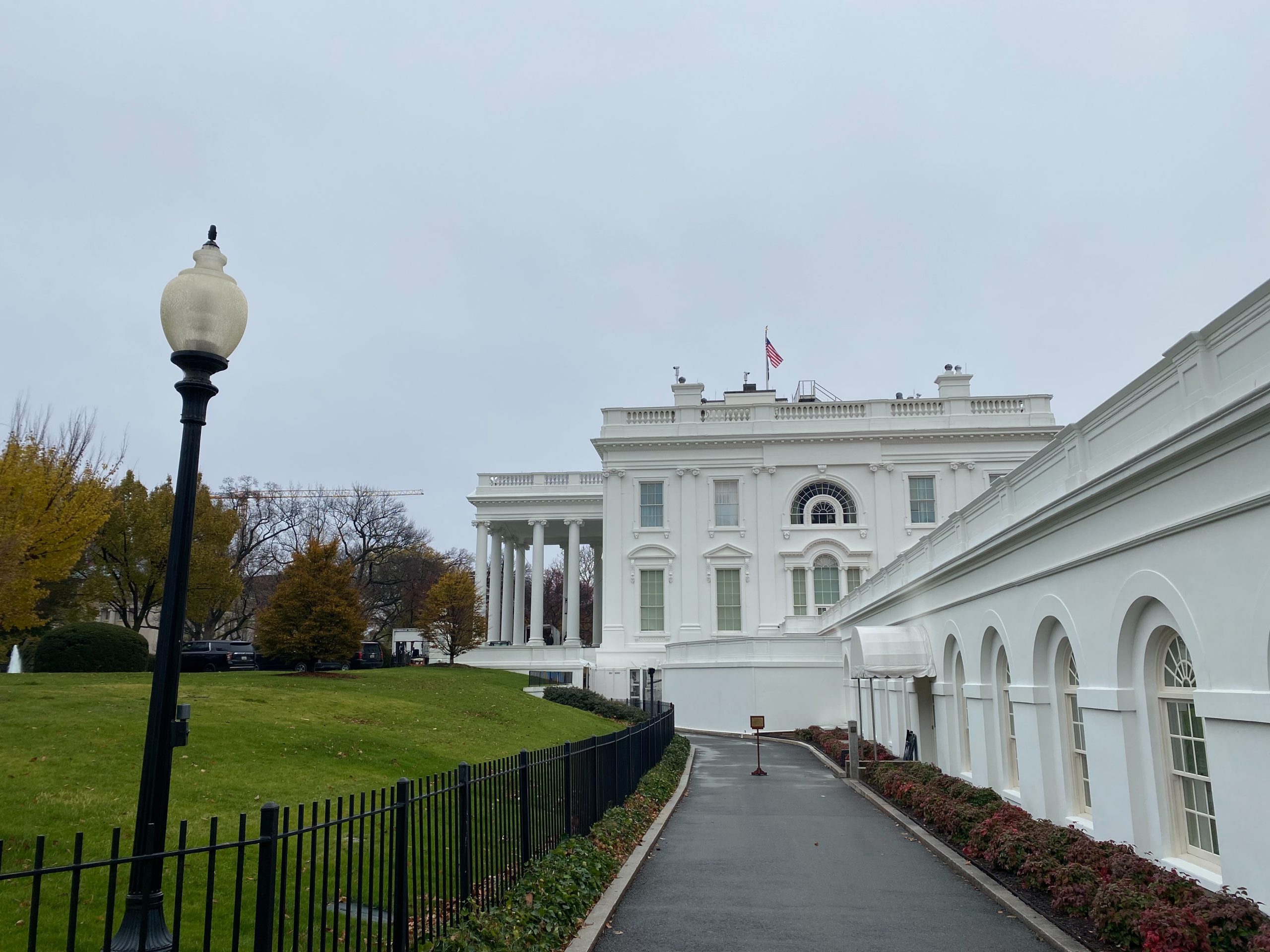
Vance set out one condition as non-negotiable. “Having destroyed their nuclear program, we want to make sure they don’t rebuild it or try to rebuild it. That’s what matters most to the United States,” he said.
“We do think that there is a pathway there, but it really does require a firm commitment and a verifiable commitment that they don’t rebuild that nuclear program,” he added. He also said Iran cares a great deal about its sovereignty and about rebuilding its economy — factors he suggested could support an agreement if Tehran makes that verifiable commitment.
Mediators in the middle
Iranian Foreign Minister Abbas Araghchi said on Monday that indirect talks with Washington were taking place through mediators, with Qatar and Pakistan playing an active mediating role. News agency reporting cited Qatari mediators holding two rounds of talks with Iranian officials last week, and Axios reported that Vance had sent a letter to Iranian national security chief Mohsen Rezaei about possible new talks — described as the highest-level move of its kind in months.
Araghchi said consultations with Qatari mediators over a proposed two-day plan were continuing, and stressed that a final outcome depends on the responses Tehran receives from the other side. The precise contents of any draft framework have not been published, and neither side has confirmed a timetable for direct negotiations.
Tehran’s Hormuz offer — and its warning
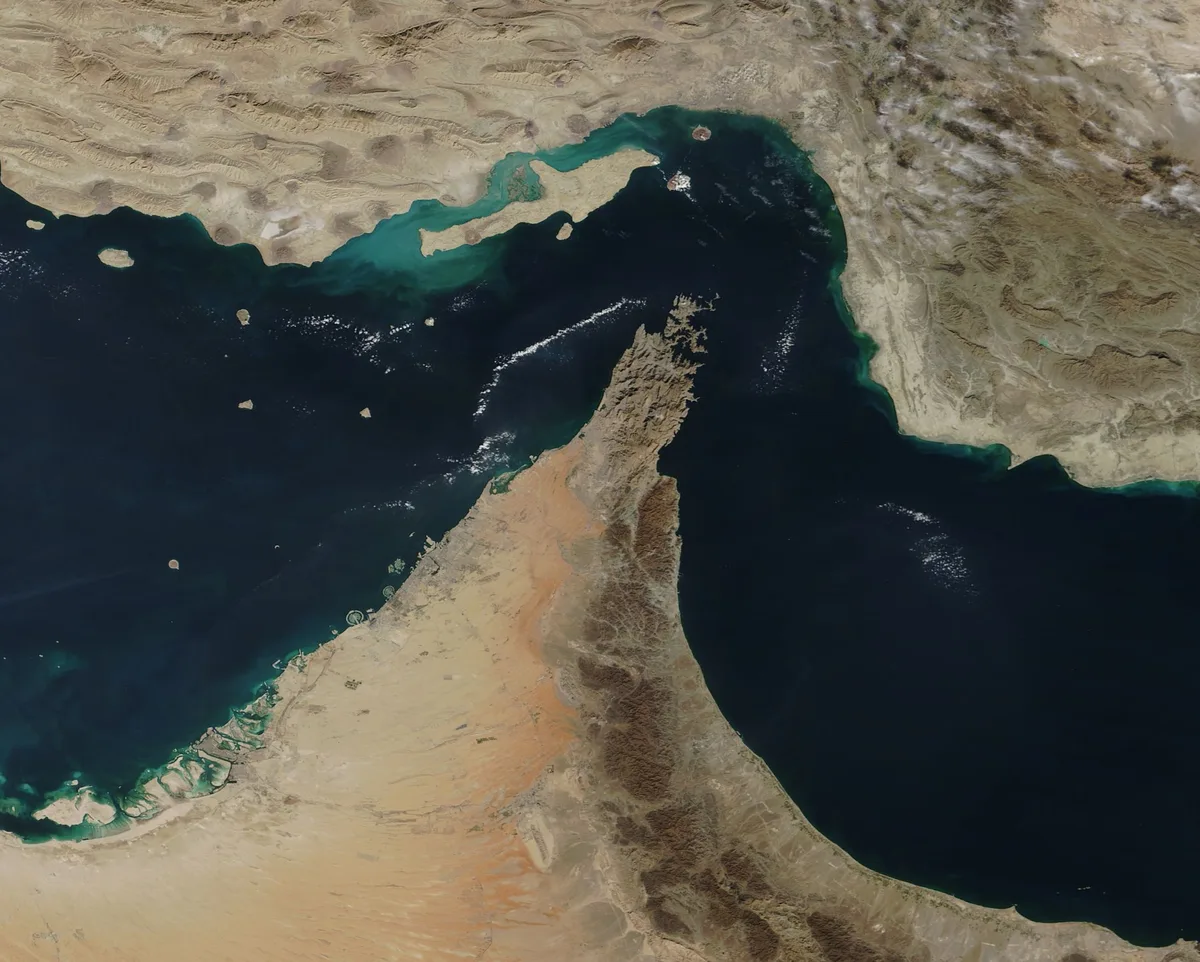
A senior Iranian official said Tehran was ready to reopen the Strait of Hormuz within two days if Washington agrees to its list of demands, under a seven-point proposal that Iranian officials said had not changed but could now be put into action more quickly. That offer is Tehran’s claim, not a confirmed agreement, and it sits alongside a much sharper Iranian warning.
Iran said on Tuesday it would respond forcefully to any further US strikes in the region or beyond, and Iranian officials said the two sides remain far from reaching a deal. Araghchi has separately warned that any renewed military action would invite a stronger response — a reminder that optimism in Washington does not yet amount to an accord.
Why this matters now
The confrontation is in its ninth month. Tensions have remained high since the United States and Israel launched attacks against Iran on 28 February 2026, triggering Iranian retaliation across the region. A memorandum signed by Washington and Tehran in June did not settle the dispute, and navigation through the Strait of Hormuz — a conduit for Gulf energy exports — has remained a central point of friction.
Vance’s remarks therefore matter less as a claim that a deal is done — no deal has been announced — than as a signal of where the White House says the talks stand: progress claimed, no deadline imposed, a verifiable nuclear commitment demanded, and military options explicitly kept open.
What is still unknown
It is not known what, if anything, Tehran has committed to in writing; what the reported Qatari draft framework contains; whether direct US-Iran negotiations will resume; or what happens if the mediation stalls. Until either side publishes terms or announces an agreement, the settlement Vance described remains a prospect, not a fact.
Sources
- TRT World — “Vance says progress made toward negotiated deal between US, Iran” — https://www.trtworld.com:443/article/4975b7828645
- The Times of Israel — “Vance says US ‘feeling pretty good about prospects’ of a deal with Iran; Trump: ‘It could happen!’” — https://www.timesofisrael.com/vance-says-us-feeling-pretty-good-about-prospects-of-a-deal-with-iran-trump-it-could-happen/amp/
- The Nation (Pakistan) — “US, Iran have made progress toward negotiated settlement: Vance” — https://www.nation.com.pk/03-Nov-2026/us-iran-made-progress-toward-negotiated-settlement-vance
- Gulf News — “US and Iran Signal Diplomatic Progress to Avoid Renewed War Amid Strait of Hormuz Tensions” — https://gulfnews.com/world/mena/us-signals-progress-in-talks-with-iran-to-avert-renewed-war-1.500732490
- Outlook India — “Iran warns it will retaliate against further US strikes as Washington signals progress in ceasefire talks” — https://www.outlookindia.com/amp/story/international/iran-will-respond-forcefully-after-reported-us-strikes-on-qeshm-island-threatens-retaliation
Frequently asked questions
Has the US reached a deal with Iran? No. Vance spoke of progress toward a negotiated settlement, not a concluded agreement, and Iranian officials said the sides remain far from a deal.
Has the US set a deadline for Iran? Vance said no deadline has been set.
What does the US want in any deal? A firm, verifiable commitment that Iran does not rebuild its nuclear programme, according to Vance.
Who is mediating? Qatar and Pakistan are playing an active mediating role, according to Araghchi and agency reporting; talks are described as indirect, via mediators.