The US economy grew at a 3.4% annualised rate in the third quarter of 2026, beating forecasts, while the Federal Reserve’s preferred inflation gauge accelerated in September — a mixed picture released days before midterm elections.
The Bureau of Economic Analysis (BEA) advance estimate showed real gross domestic product rising 3.4% on an annualised basis from July to September, up from 2.2% in the second quarter. Forecasts polled by major survey providers had centred around 3% to 3.2%, so the outturn was stronger than expected.
What drove the growth
The BEA said increases in investment, consumer spending and government spending drove the third-quarter expansion, partly offset by a fall in exports. Investment rose mainly as businesses built up inventories, led by wholesale trade and manufacturing, and bought equipment, especially computers and related gear. Consumer spending rose for both services and goods: health care, notably hospitals and outpatient care, and restaurants and lodging led services, while prescription drugs led goods. Federal spending led the increase in government spending, while exports fell, led by petroleum products, and imports rose.
Inflation accelerated in September
Separately, the BEA’s Personal Income and Outlays report showed the Personal Consumption Expenditures (PCE) price index rising 0.5% in September from August, taking the annual rate to 3.6%, up from 3.4% in August and well above the Federal Reserve’s 2% target. Excluding food and energy, core PCE rose 0.3% on the month and 3.1% from a year earlier, up from 3.0% in August. Both the headline and core monthly and annual figures were broadly in line with economists’ expectations.
Measured within the quarter, price pressures looked cooler: the PCE price index in the GDP release rose at a 2.1% annualised rate in the third quarter, down from 5.0% in the second quarter. The two measures differ — the quarterly figure is an annualised within-quarter rate, while 3.6% is the September year-on-year rate — and neither should be confused with the other.
Consumers felt the squeeze
Consumer spending, which accounts for more than two-thirds of US economic activity, rose 0.5% in September in current-dollar terms, slowing from 0.9% in August. Adjusted for inflation, spending was flat on the month. Personal income grew 0.2%, slowing from 0.3%, and the personal saving rate fell 0.2 percentage points to 3.8%, its lowest in nearly four years, according to CNN’s account of the data.
What it means for the Fed
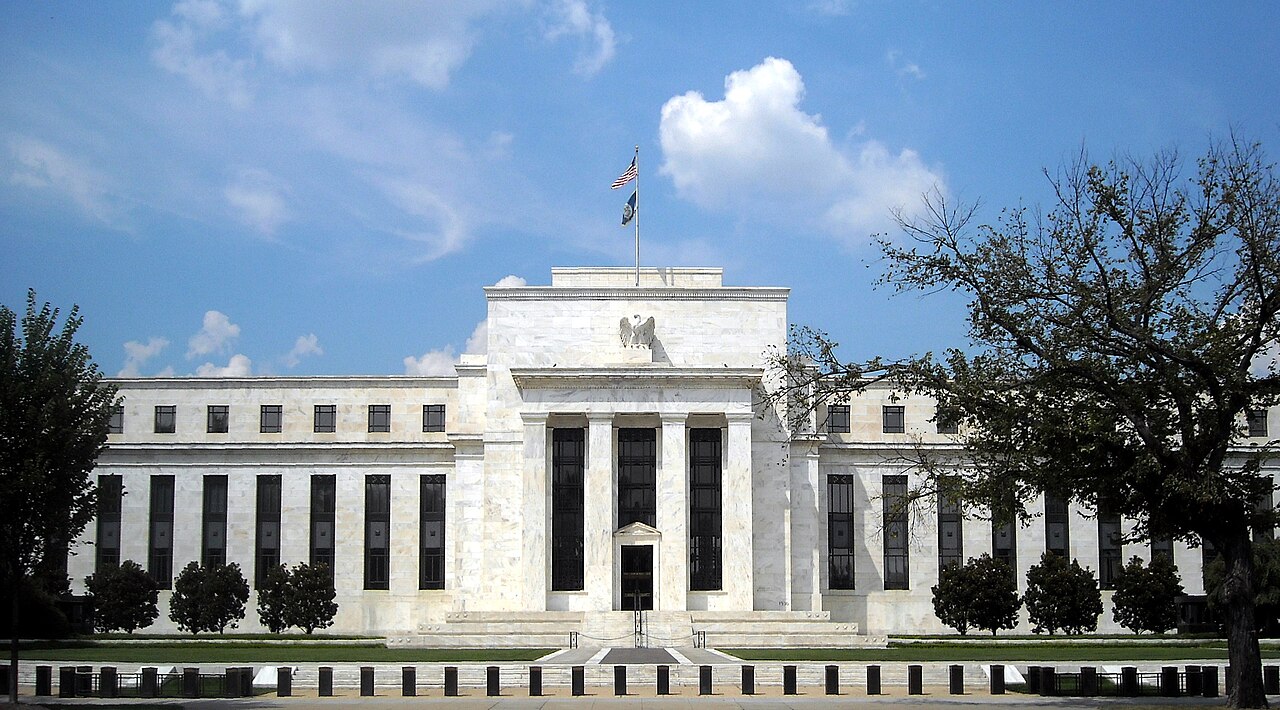
The Federal Reserve held its benchmark interest rate in the 3.75%-4.00% range on Wednesday, while acknowledging that inflation “remains elevated”. Reuters reported that financial markets were pricing in a roughly 84.6% chance of a rate increase in December, according to CME’s FedWatch Tool. Fed Chair Kevin Warsh told reporters that energy and related prices had moved higher again in recent weeks and that the Fed’s job was to ensure relative price changes did not broaden across the economy or unanchor inflation expectations.
What is still uncertain
The third-quarter GDP figure is an advance estimate and will be revised twice, so the growth rate may change. The data also predate any further policy moves, and they do not by themselves determine what the Fed will do in December. The economy’s strength alongside above-target inflation leaves policymakers weighing resilient activity against price pressures that are moving away from, not towards, the 2% target.
Frequently asked questions
What is the PCE price index? It measures the prices consumers pay for goods and services and is the Federal Reserve’s preferred inflation gauge for its 2% target.
Why did GDP beat forecasts? Investment, consumer spending and government spending all rose in the quarter, more than offsetting a fall in exports, according to the BEA.
Does this mean a December rate rise is certain? No. Markets priced a high chance of a rise after the data, but the Fed has not announced a December decision.
Sources
- Reuters — US inflation heats up in September; consumer spending rises
- CNN — Last snapshot of the US economy before midterms shows stronger growth but higher inflation
Related: China Economy Beats Forecast: Q3 GDP Grows 4.5% and Caterpillar shares tumble about 9-10% in early US trading.