NEW YORK — Caterpillar shares fell about 10% in premarket trading on Thursday, October 29, even though the heavy-machinery maker beat Wall Street’s third-quarter earnings estimates — a reminder that for a stock priced for growth, a beat alone is not always enough.

The company reported adjusted earnings per share of $7.20 on sales of about $20.7 billion for the quarter. Analysts had expected earnings of $7.06 per share, according to FactSet, while revenue estimates ranged from about $20.65 billion to $20.8 billion depending on the data provider — putting sales roughly in line with, or slightly below, expectations. A year earlier, Caterpillar earned $4.95 per share on $17.6 billion in sales, so revenue rose about 17% year on year and the operating profit margin widened to about 20.4–20.6%, from 17.3% a year ago.
Why the stock fell despite the beat
The central reason, according to market coverage, was guidance: Caterpillar maintained its full-year financial outlook rather than raising it. Bernstein analyst Chad Dillard described it as the end of the company’s “beat and raise” streak, noting that Caterpillar had raised its 2026 guidance after both its first- and second-quarter reports. Jefferies analyst Stephen Volkmann wrote that segment results were “nearly dead in line” with expectations — solid, but not enough to satisfy investors who had already priced in more.
Results also included a $128 million benefit from tariff refunds linked to International Emergency Economic Powers Act tariffs, which were deemed unconstitutional earlier in 2026, although other tariffs continue to affect the company’s costs.
AI demand is still showing up in the numbers
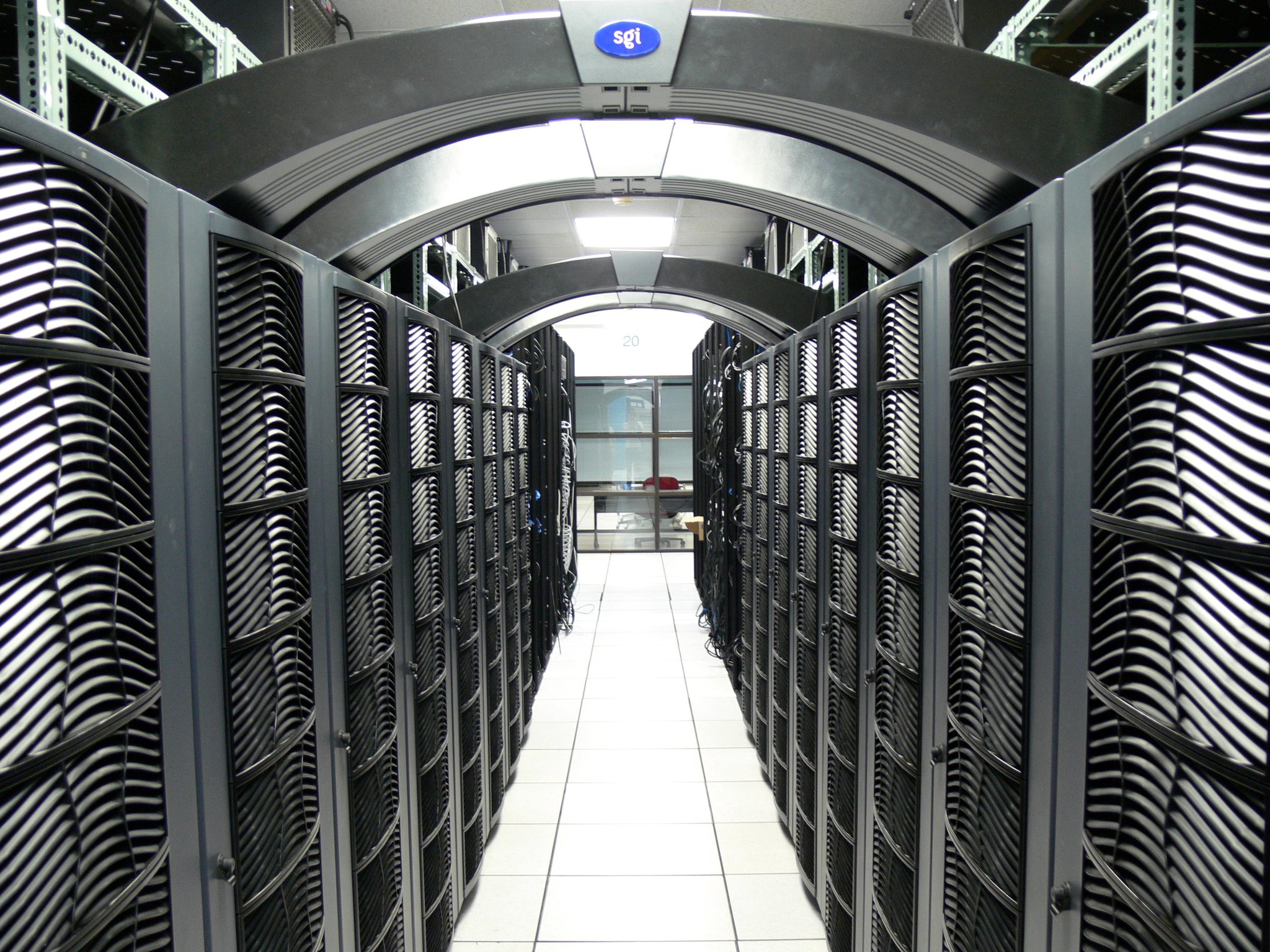
Caterpillar has become an unlikely AI-infrastructure stock because its power business supplies engines and generators for data centres. Sales in its power and energy segment rose about 18% year on year to roughly $8.8–8.9 billion, with power generation sales up about 30%, according to company results coverage. Mining sales grew about 15% and construction about 18%.
That AI link also explains part of the sell-off: the shares fell on a morning when broader anxiety about debt-funded AI spending was already weighing on technology stocks, after disappointing results from several megacap tech firms. Alphabet shares were down about 10–11% in premarket trading on weaker-than-expected earnings, and S&P 500 futures were about 0.2% lower. Caterpillar, as a Dow component, added to pressure on the blue-chip index.
What to watch next
Investors will now look for any update to Caterpillar’s full-year outlook, further detail on data-centre power orders, and whether the tariff-cost picture improves. The premarket drop is an indication of sentiment before the regular session, not a closing price, and the shares had already fallen sharply in the weeks before the report — a sign that expectations, rather than the quarter itself, did much of the damage.
Frequently asked questions
Did Caterpillar beat earnings estimates?
Yes, on profit: adjusted earnings of $7.20 per share beat the $7.06 FactSet consensus. Revenue of about $20.68 billion was roughly in line with estimates, slightly below some providers’ consensus figures.
Why did the stock fall if earnings beat estimates?
Because Caterpillar held its full-year guidance unchanged instead of raising it, ending a run of “beat and raise” quarters, and because the wider market was already selling AI-exposed stocks on the morning.
How much did Caterpillar shares fall?
About 10% in premarket trading, to around $640, from a prior close of about $713–715. Premarket prices are indications only and can move once regular trading opens.
Sources
- Barron’s — Caterpillar’s Strong Earnings Fail to Calm Wall Street’s Nerves
- Barchart — Caterpillar Drops 10% Pre-Market Despite Q3 Beat and AI Build-Out Growth
- MarketBeat — Caterpillar (CAT) Q3 2026 Earnings Results & Report
- CoinCentral — Why Caterpillar (CAT) Stock Is Falling 10% Even After an Earnings Beat
Related on Emadan: Nasdaq futures fall as Alphabet slides and Microsoft rises in premarket trading and CRH cuts guidance as Q3 profit falls.