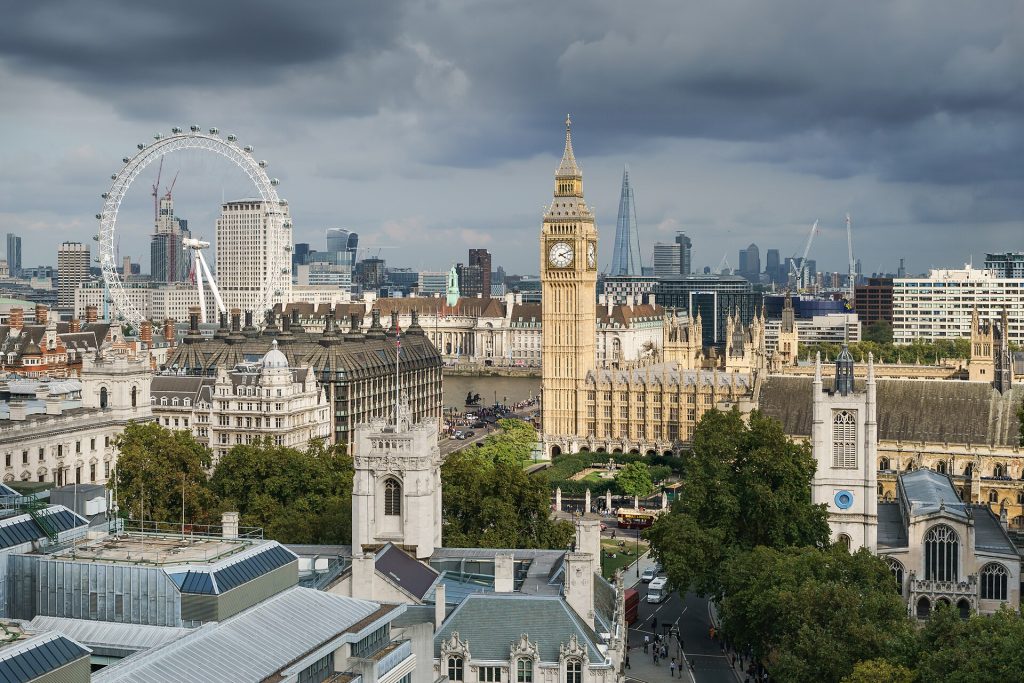
Chancellor John Healey has delivered his first Budget, putting household energy bills at the centre of a package designed to ease the cost of living while keeping the government’s deficit-reduction plans on track.
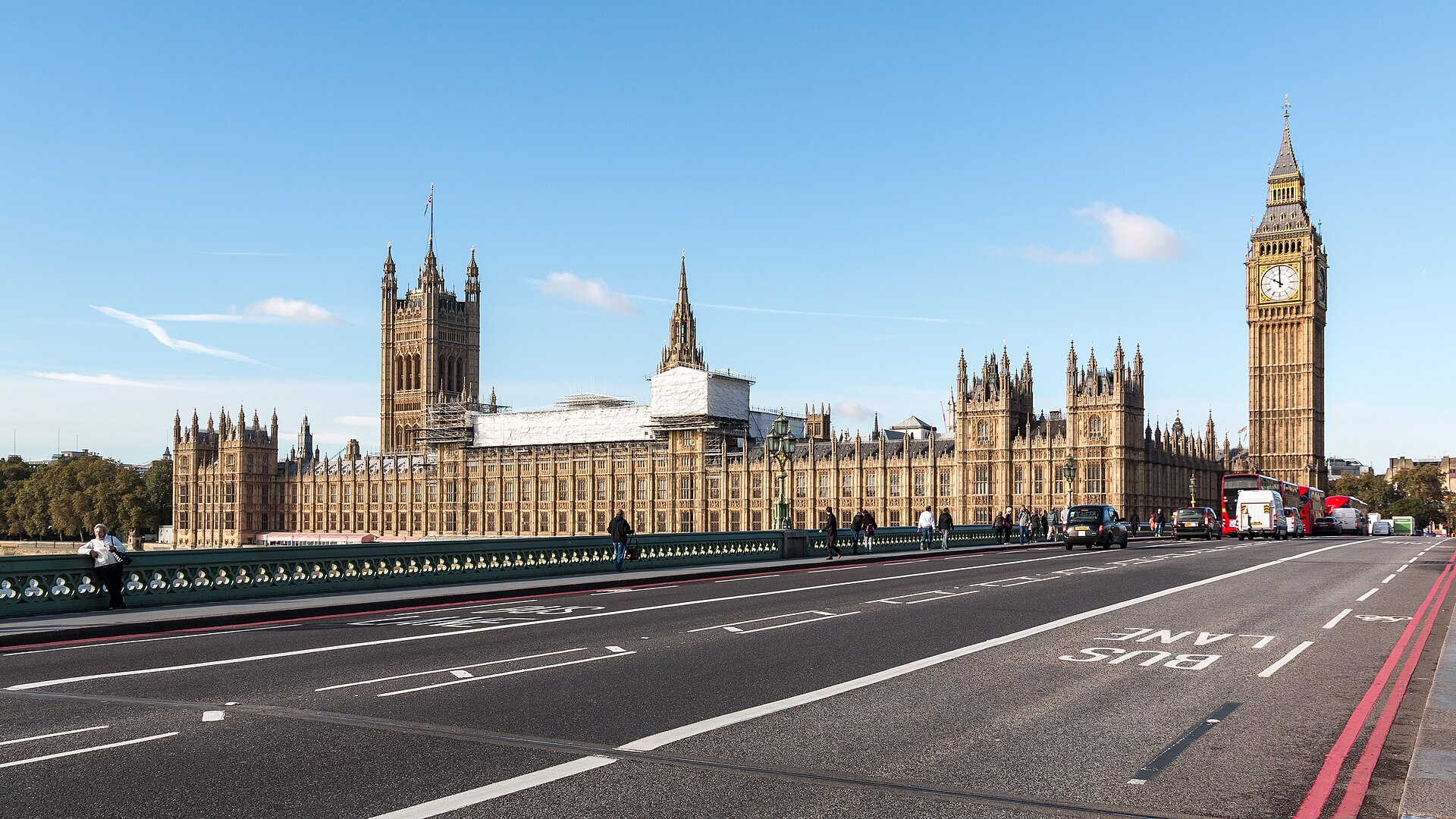
The centrepiece is a one-off payment of £100 to around 20 million households in council tax bands A to D, at a cost of £2.6 billion. Healey described the statement as a response to what he called “global economic storms”, saying it was “a budget built on fiscal discipline, which matches immediate action today with clear direction for the future”.
What households get
The £100 payment goes to homes in council tax bands A to D in England, with equivalent funding provided for Scotland, Wales and Northern Ireland. It is direct help with rising energy costs rather than a permanent change to benefits or tax rates.
Alongside it, the VAT cut on electricity bills will be extended until next July, which the Chancellor said would take £50 off the annual price cap. The freeze on fuel duty, which had been due to end in January, is extended to July 2027, with planned fuel-duty rises pencilled in by his predecessor Rachel Reeves cancelled.
Gas standing charges — the fixed daily fees customers pay regardless of how much energy they use — will be scrapped from next year, with fixed costs moved onto the unit rate instead. The Treasury estimates the change could save 60% of households an average of £45 a year, although heavier energy users would pick up a larger share of the fixed costs previously spread evenly. Similar reforms are planned for electricity bills, and a green levy funding hydrogen projects will move from bills onto general taxation.
A smaller fiscal cushion
Healey blamed the ongoing war in the Middle East for a deterioration in the economic outlook since the spring statement, with higher oil prices feeding inflation. He said inflation was expected to cost the government £14 billion more in interest payments, and that the Office for Budget Responsibility (OBR) had downgraded its growth forecast for next year to 1%, from 1.6% expected in the spring. The OBR now expects growth of 1.2% this year, followed by 1% next year, 1.6% in 2028 and 1.8% in 2029.
Despite that pressure, Healey promised to meet Labour’s first fiscal rule — balancing current spending with tax receipts by 2029-30 — but with headroom of £15 billion, down from the £24 billion set aside in March. He said the cushion would be rebuilt to £22 billion by 2030-31: “That is what a buffer is for. Use it when you need it, rebuild it when you can.”
A smaller buffer leaves the government more exposed if growth weakens or borrowing costs rise unexpectedly — which is why the headroom figure, rather than any single tax change, is the number markets and economists will watch most closely in the coming days.
Who pays: banks, and help for businesses and workers
The household support is funded in large part by a temporary rise in the bank surcharge, currently levied at 3% on top of the 25% corporation tax rate, by an extra 3 percentage points. Healey presented the windfall tax on banks as smaller than many in the industry had expected.
For workers, the National Minimum Wage and National Living Wage rise by 3.9%, with the National Living Wage reaching £13.21 an hour from April 2027. The Warm Homes Discount will be extended to families on benefits, giving them £100 off their energy bills.
For businesses, Small Business Rate Relief rises from £12,000 to £18,000 for retail and hospitality, taking an estimated 70,000 high street businesses out of business rates. A new first-home scheme will offer 20% equity loans with a minimum deposit of just 2.5%.
What it means — and what happens next
For most households, the Budget’s immediate effect is the £100 payment plus lower electricity tax and no fuel-duty rise until next July. The longer-term bill changes — scrapping gas standing charges and reshaping how levies are charged — will take time to implement and will not help everyone equally: low users gain most from the standing-charge change, while heavier users may pay more of the fixed costs through the unit rate.
The Budget also leaves open questions. The standing-charge reforms require further implementation, and the success of the whole package depends on whether inflation falls, growth recovers and revenues perform as forecast. If they do not, the £15 billion of headroom could come under pressure quickly. The next tests are the OBR’s detailed forecasts, the reaction of markets and businesses, and the legislation needed to turn the announcements into law.
For context on how energy-driven inflation is shaping policy elsewhere, see our earlier coverage of central banks edging toward rate hikes as energy inflation bites, and Australia’s inflation jump strengthening the case for a November rate rise.
Frequently asked questions
Who gets the £100 payment? Around 20 million households in council tax bands A to D in England, with equivalent funding for Scotland, Wales and Northern Ireland.
When does the fuel-duty freeze end? The freeze is extended to July 2027, with planned rises cancelled.
What is fiscal headroom? The buffer between the government’s plans and its self-imposed borrowing rules. Healey set it at £15 billion for 2029-30, rising to £22 billion by 2030-31.
Sources
- The Guardian via World Right Now — Budget 2026: John Healey offers £100 payments to households
- Press Association via Glasgow Times — Budget at a glance: What has John Healey announced?
- LabourList — What was in John Healey’s Budget?
- Business News Today — UK Budget 2026 unveils £100 energy payment as bank tax doubles