A judge in New Mexico has ordered Meta Platforms to pay $25 billion to the state after a jury found the company misled Facebook users about how their personal data was handled, in one of the largest penalties ever imposed on a technology company in the United States.
Judge Francis J. Mathew issued the order on Wednesday, following a September jury verdict that found Meta committed more than 43 million violations of New Mexico’s consumer protection law. The case stems from the Cambridge Analytica scandal, in which a British political consulting firm working for Donald Trump’s 2016 presidential campaign harvested the personal data of as many as 87 million Facebook users through a third-party app, without their consent.
How a $219 Billion Penalty Became $25 Billion
Under New Mexico’s Unfair Practices Act, each violation carries a penalty of up to $5,000. Multiplied across more than 43 million violations, Judge Mathew found that a penalty of more than $219 billion was warranted under state law — a figure larger than Meta’s annual revenue. He reduced the amount to $25 billion.
The state had asked for between $35 billion and $40 billion. Meta’s lawyers had argued the company should pay no more than $3.4 billion, contending that a larger award would violate constitutional due process protections.
In his written order, Mathew said the scale of the misconduct justified the penalty. “Facebook’s wrongdoing — over the course of years and systematically broadcast to the public — goes to the heart of Facebook’s core business practices,” the judge wrote.
What New Mexico Said Meta Did
Attorney General Raúl Torrez sued Meta in 2021, after revelations about Cambridge Analytica’s data harvesting became public in 2018. The state accused Meta of lying to Facebook users in New Mexico about who had access to their data, and of misleading them about how the company handles hate speech, misinformation and other internal policies.
According to the state, Meta knew that third parties had broad access to users’ personal data, and tolerated hate speech or other harmful content when it benefited the company’s bottom line. The jury in Santa Fe agreed, finding tens of millions of separate violations based on misleading statements made by the company and its top executives.
Torrez described the judgment as “one of the largest, if not the single largest state verdict against a company in American history,” and said it should send “an unambiguous message to Silicon Valley” that tech companies will be held accountable. The penalty money is designated for public education in New Mexico, and the award accrues interest at 15% a year until it is paid.
Notably, 48 other states settled their claims against Facebook in a nationwide case. New Mexico chose to take Meta to court on its own — a gamble that has now produced a penalty dwarfing the earlier settlements.
Meta Says It Will Appeal
Meta responded within hours, saying it will challenge the ruling. Chief Legal Officer C.J. Mahoney said the company is “confident we will prevail on appeal,” arguing that the ruling “makes it all but impossible to do business in the state of New Mexico” and that the lawsuit “seeks to impose a tax on speech to enforce new rules for what people can say online.”
The appeal means Meta will not pay anything soon, and legal experts expect the size of the penalty — equal to more than a decade of New Mexico’s typical annual revenue, and roughly half of Meta’s annual profit — to be central to the constitutional fight ahead.
Why the Verdict Matters Beyond New Mexico
The ruling lands at a moment of intensifying scrutiny of the largest technology firms. OpenAI’s move to sell its top models through Google Cloud underlines how concentrated the industry has become, while a newly disclosed critical PHP vulnerability dubbed PHP2Shell has reminded businesses how much of the web still runs on trust in platform security. Even in finance, firms such as Citi are tightening rules on AI agents accessing customer accounts as regulators press companies over consumer protection.
For Meta, the New Mexico case is different from most of its legal battles because it was decided by a jury under a state consumer law, not negotiated in a settlement. If the penalty survives appeal — even in reduced form — other states could be encouraged to bring their own cases rather than join collective settlements, multiplying the company’s exposure.
Meta shares barely moved on the news, suggesting investors expect the appeals process, which could take years, to shrink the final bill significantly. But the verdict has already achieved one of Torrez’s stated goals: it has put the Cambridge Analytica scandal — and the question of what Facebook told its users — back at the centre of the debate over Big Tech accountability.
Sources: Reuters; Bloomberg Law; The Times; Hindustan Times; New York Post.
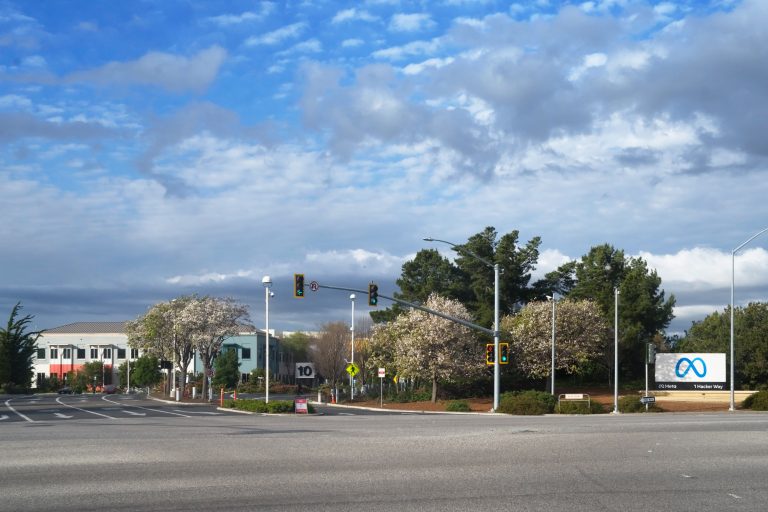
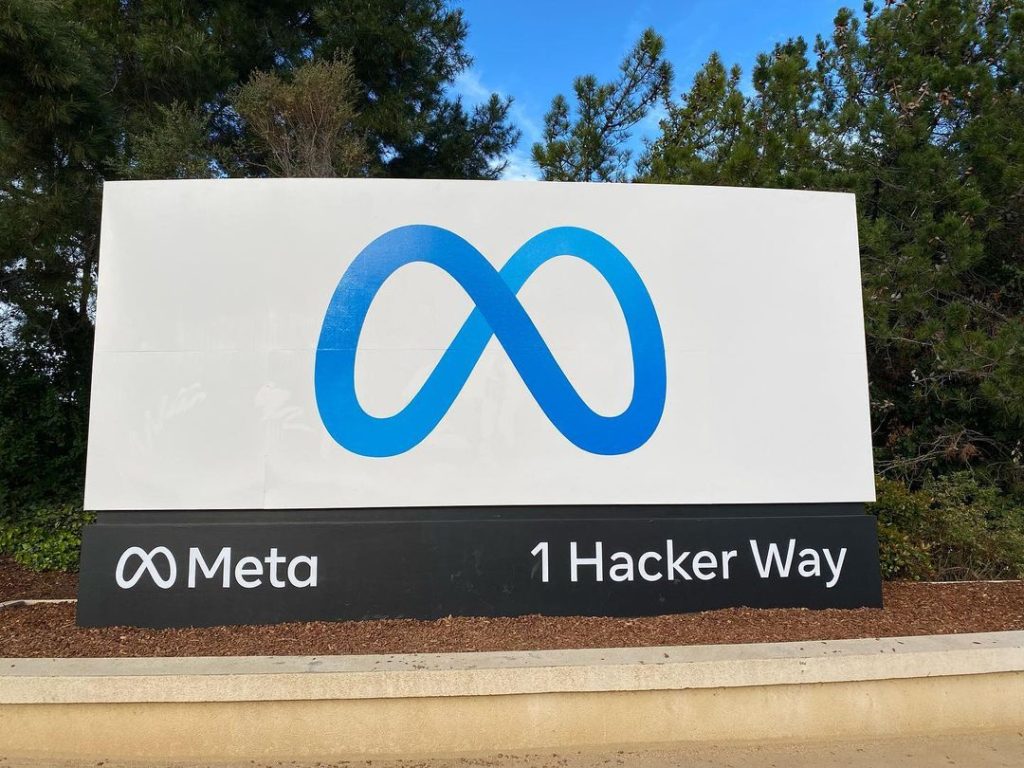
Photo: The Meta headquarters sign in Menlo Park, California. Nokia621 / Wikimedia Commons, CC BY-SA 4.0.