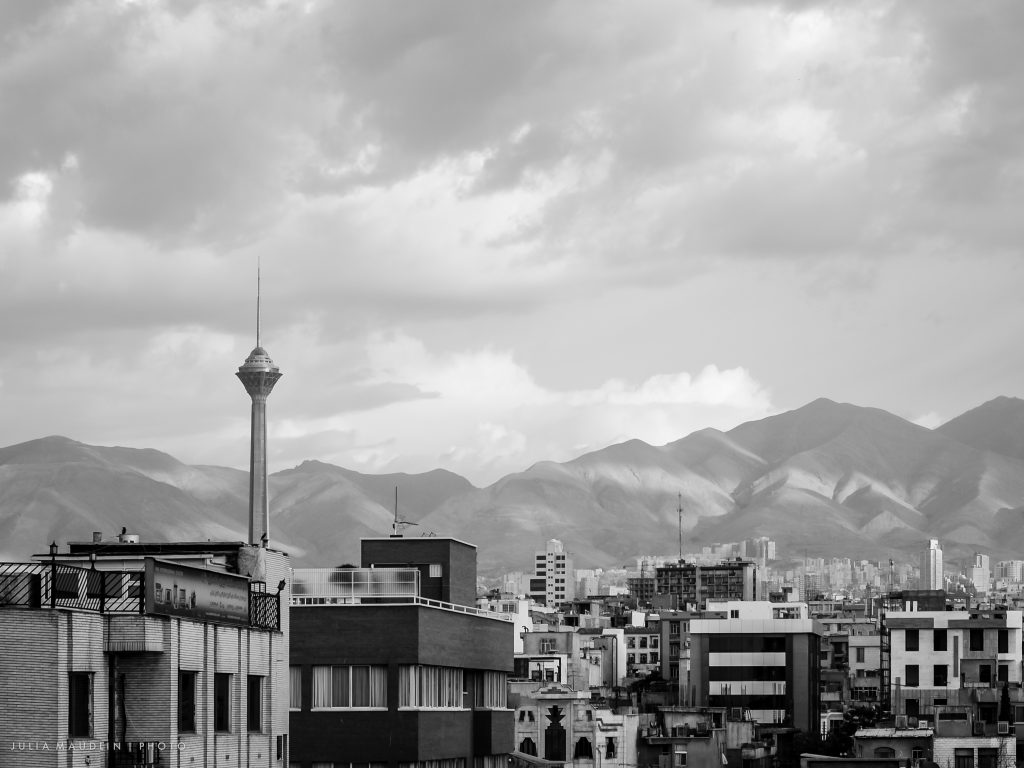
Iran’s Supreme Leader Mojtaba Khamenei warned on Wednesday that any renewed United States military aggression against Iran would trigger a response of an even greater magnitude, Reuters reported. In the same message, carried by Al Jazeera, he said that should such aggressions be repeated, Iran’s response will take on much broader dimensions. The two wordings come from different reports of the same message; this article attributes each wording to its reporting outlet rather than merging them into a single quote.
The warning came in a message marking Iran’s National Day of the Fight Against Global Arrogance on 4 November. Khamenei said those expecting a change in Washington’s approach after shifts in political power, or believing concessions could persuade the US to abandon its hostility, were greatly mistaken. He added: The US sees the end of its hegemony as distant; we see it as near.
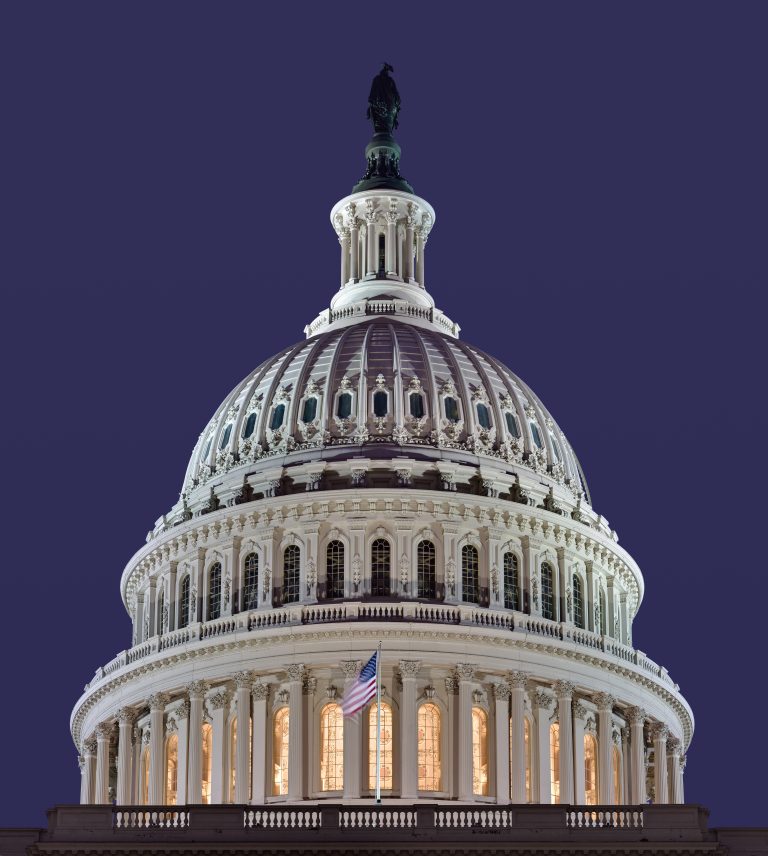
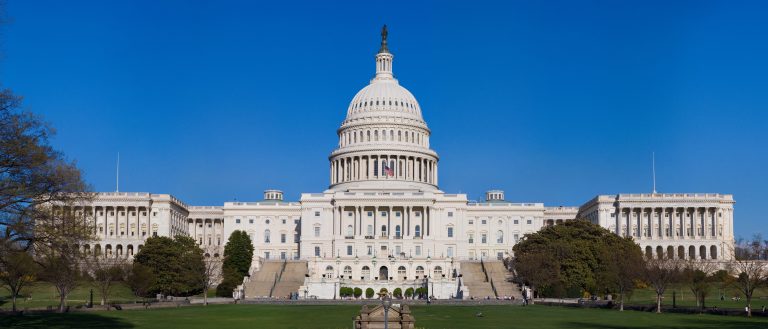
The timing matters. The message followed the US midterm elections on 3 November, in which Democrats won control of both the House of Representatives and the Senate. Khamenei argued that Washington’s hostility toward Tehran will not change regardless of which party holds power. Iranian leaders have separately presented the midterm result as a rejection by American voters of the war, while Khamenei himself ruled out any thaw in ties. US President Donald Trump has acknowledged that the Iran war played a part in his party’s losses, while in recent days US and Israeli leaders have threatened a return to full-scale military action after the midterms if negotiations with Tehran fail to produce an agreement.
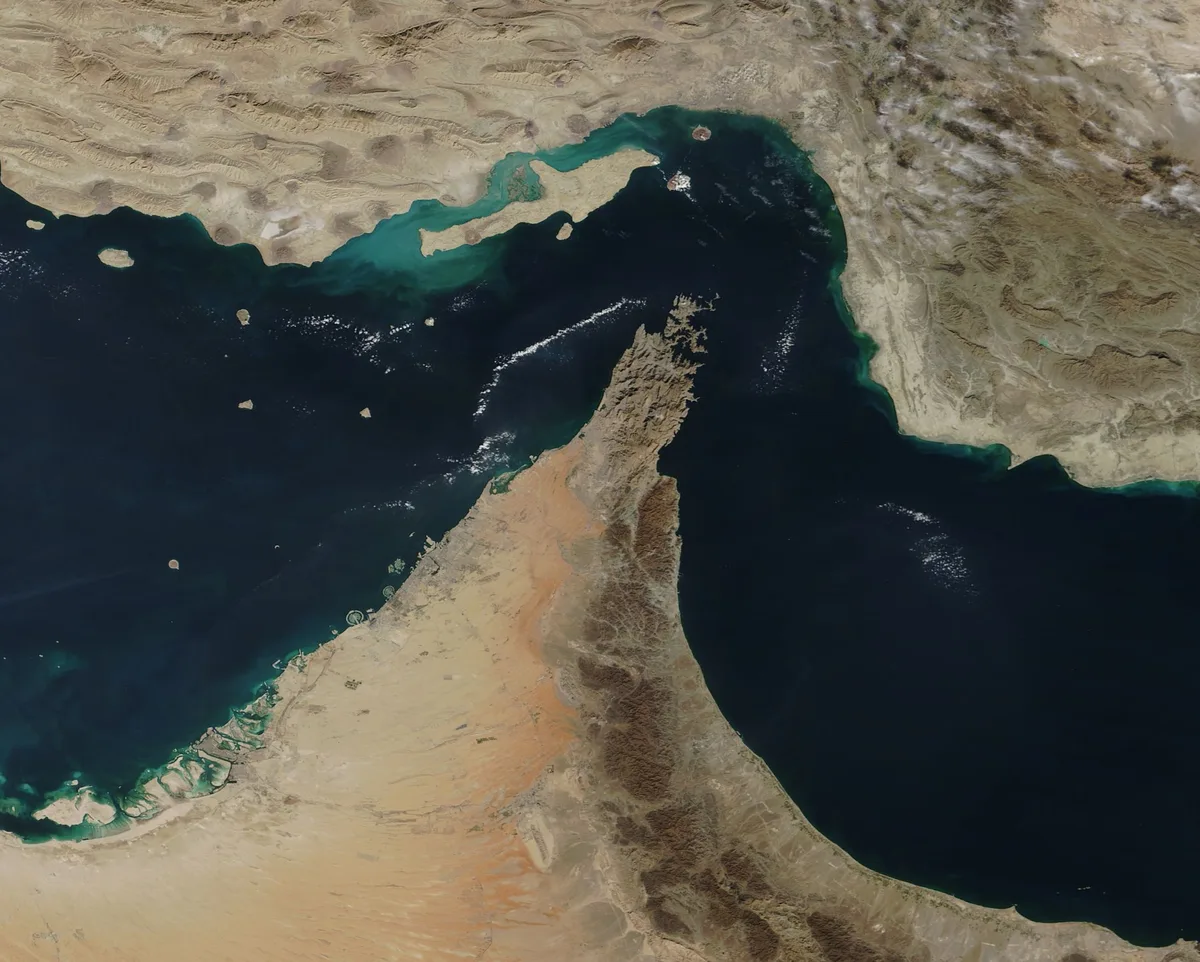
Khamenei pointed to Iran’s past retaliation — its attacks on US bases in the region and its control over the Strait of Hormuz — as part of Tehran’s campaign against US hegemony. Al Jazeera’s live coverage also reports that Iran says a maximum deterrence plan is ready in case of any new attack, and that Iranian military officials are updating target lists to include US and Israeli assets across expanded geographical areas. Those are Iranian claims and plans as reported, not confirmed military actions.
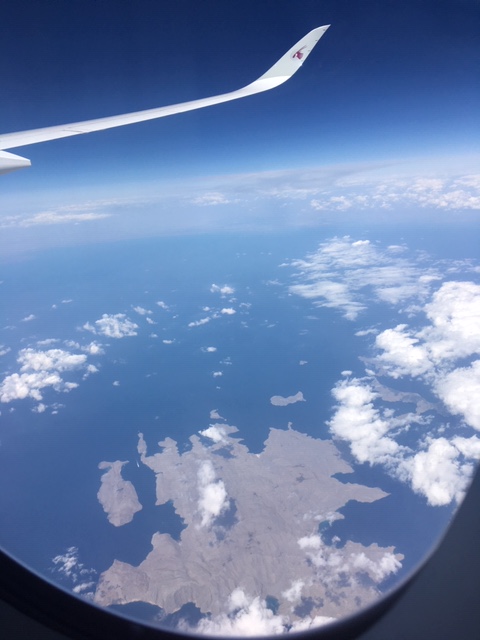
Background: the war broke out on 28 February, when the US and Israel attacked Iran, and Iran responded with strikes on Israel and Gulf states that host US bases. Diplomatic efforts are under way to avert renewed fighting. Related Emadan coverage readers may want: Qatar says the US and Iran are reviewing draft proposals to end the war, Gulf states fear a wider war as the US and Israel weigh fresh strikes, and the reported US strikes on Iran’s Qeshm Island.
What is not yet known: whether any renewed attack will actually happen, what a broader Iranian response would concretely involve, and whether mediation can produce an agreement before the post-midterm window closes. Khamenei’s message is a warning and a political signal, not evidence that a new attack or a new Iranian strike has taken place.
FAQ: What did Khamenei warn? That any renewed US aggression would be met with a far broader response than before. Does he expect US policy to soften after the midterms? No — he said those expecting a shift were greatly mistaken. Has a new attack happened? No new attack is reported in these sources; the warning concerns a possible future attack.

Sources: