Gulf States Fear a Wider, More Destructive War if the US and Israel Strike Iran Again
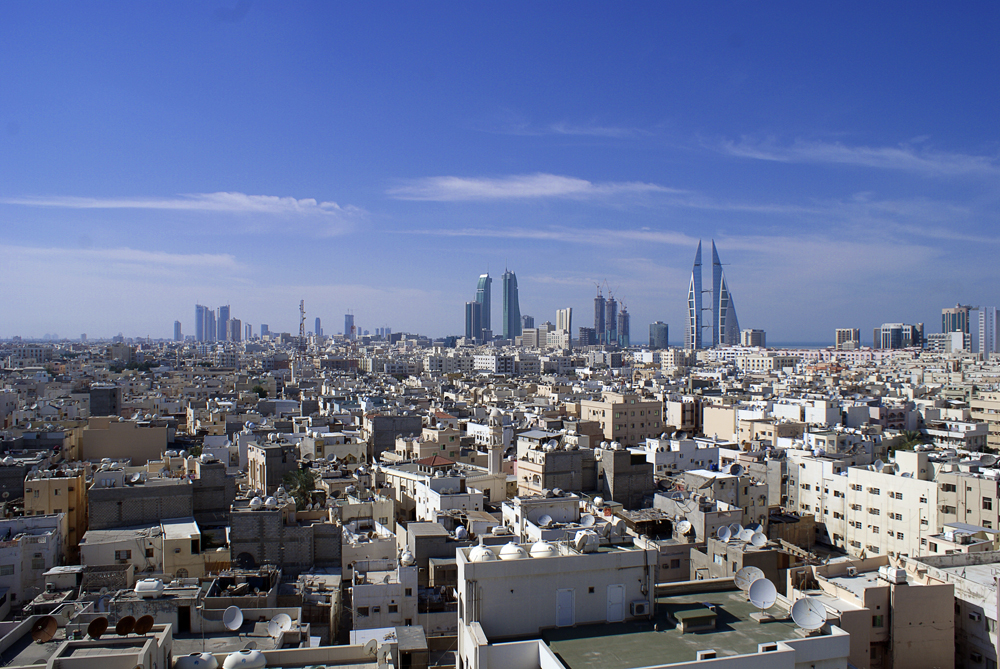
Gulf Arab governments are warning that another United States-Israeli attack on Iran could unleash a wider and more destructive regional war, leaving Gulf states to bear much of the damage from a conflict they say they did not start. The warnings, delivered at the IISS Manama Dialogue in Bahrain, come as Washington and Tehran remain far apart in peace talks and as President Donald Trump keeps open the possibility of renewed strikes after the November 3 US midterm elections.
The concern is not abstract. The war that began on February 28, 2026, with joint American and Israeli strikes on Iran, ran until a truce in early April. In that period Iran fired thousands of missiles and drones at Gulf countries, hitting oil facilities, airports and power plants, according to Bloomberg’s reporting. Gulf officials now fear a better-prepared Iran would retaliate harder and more widely in any second round.
What Gulf officials said in Manama
Anwar Gargash, diplomatic adviser to the president of the United Arab Emirates, told the Manama Dialogue that Gulf states had worked hard diplomatically to avert the crisis and were now seeking a political way out. He warned that if the remaining differences between the sides are not narrowed, governments must prepare for the worst. Egyptian Foreign Minister Badr Abdelatty, speaking at the same forum, said he was extremely worried about fresh hostilities and warned that a second round would be more dangerous and more destructive, and would resolve nothing. Jasem AlBudaiwi, secretary-general of the Gulf Cooperation Council, told delegates that GCC states were not a party to the war and did not seek it. Analysts at the forum echoed that frustration: Hasan Alhasan of the International Institute for Strategic Studies said there was widespread regional disappointment with Washington’s conduct of the war and its decision to prioritise Israel’s defence over that of its Gulf partners.
Why a second round is feared to hit harder
Three factors drive the Gulf anxiety. First, Iran has signalled a broader response. Supreme Leader Mojtaba Khamenei on Saturday ordered commanders to prepare for immediate counterstrikes and to expand their list of potential American and Israeli targets, while Iran’s army warned another attack would spread the war across a larger area. Second, Gulf defences are stretched. Bloomberg reported that Gulf states are trying to replenish air-defence interceptor stocks amid global shortages, while the United States and Israel prioritise their own supplies. The war has also exposed the cost of using expensive interceptors against cheap Iranian drones, pushing Gulf forces to use helicopters, fighter jets, anti-aircraft guns and electronic jammers instead. Third, the economic damage is already severe. The International Monetary Fund forecasts Gulf Arab states, including Iraq, will be among the world’s worst-performing economies this year. Saudi Arabia’s economy is forecast to shrink 3.3 percent, with even steeper contractions expected in Qatar and Kuwait, according to the Fund’s figures cited by Bloomberg.
Diplomacy is still running — but far apart
Gulf states are stepping up mediation. Senior officials from Saudi Arabia, Turkey and Pakistan travelled to Tehran last week, while Qatari mediators held talks with Iran in Tehran and Doha. Iranian Foreign Minister Abbas Araghchi said mediators were discussing a plan to reopen the Strait of Hormuz within two days if the United States met Tehran’s conditions — but added that a deal depends on the answers the other side provides. The gaps remain wide. Iran wants a US naval blockade lifted, sanctions eased and frozen assets released before reopening Hormuz. Washington is demanding nuclear concessions. Trump has said the US and Israel will ‘finish the job’ in Iran if talks fail, but has ruled out fresh strikes before Tuesday’s midterm elections. Oil markets reacted to signs of more time for diplomacy: Brent crude fell below $110 a barrel in early trading on Monday, down around 3 percent, after Axios reported Trump had told Israeli Prime Minister Benjamin Netanyahu he wanted to give diplomacy more time.
What happens next
The immediate test is whether the post-midterm period brings a deal or a decision to strike. Gulf capitals are preparing for both: publicly praising Washington while privately, according to Bloomberg, expressing frustration, and in public urging a negotiated settlement. What is not in doubt is their message from Manama — that a second round, in their assessment, would not be a repeat of the first, but something larger, costlier and harder to contain.
FAQ
Why are Gulf states worried if they are US allies? Because Iranian retaliation in the first round hit Gulf territory directly — energy sites, airports and power plants — even though Gulf governments say they did not initiate the war.
Has the US ruled out new strikes on Iran? Trump has ruled out fresh strikes before the November 3 midterms, but has left open renewed attacks if peace talks stay deadlocked.
What is blocking a deal? Iran seeks sanctions relief, an end to the naval blockade and the release of frozen assets before reopening the Strait of Hormuz; Washington seeks nuclear concessions.
Related coverage: https://emadan.store/oil-prices-fall-3-percent-trump-netanyahu-iran-diplomacy-november-2/ and https://emadan.store/iran-khamenei-geographically-unrestricted-response-new-attacks/
Sources
Bloomberg News via BusinessMirror, November 2, 2026: https://businessmirror.com.ph/2026/11/02/gulf-states-fear-fiercer-iran-retaliation-if-us-strikes/
Reuters reporting via Real News Hub, November 2, 2026: https://realnewshub.blog/news/gulf-states-fear-renewed-us-strikes-on-iran-could-expose-the-a1ee23
Arabian Post, November 2026: https://medium.com/arabianpost/gulf-governments-warn-against-renewed-strikes-on-iran-a0b09f31e9dc
Financial Times reporting via Stockbiz, November 2, 2026: https://stockbiz.vn/en/news/middle-east-fears-renewed-us-iran-fighting-prepares-for-worst-case-scenario/42583927