Thousands of demonstrators joined an opposition-led rally in New Delhi on Sunday 1 November 2026, demanding the resignation of Chief Election Commissioner Gyanesh Kumar over a nationwide revision of electoral rolls that opposition parties say has removed more than 130 million names. The rally at Ramlila Maidan, organised by the INDIA opposition alliance and led by Congress leader Rahul Gandhi, is the latest in weeks of protests over the Special Intensive Revision (SIR) of voter lists.
What the protest was about
The SIR is an extensive exercise to revise India’s electoral rolls. The Election Commission says it is intended to remove duplicate registrations and entries belonging to people who have died, moved away or are otherwise ineligible, and that eligible voters wrongly excluded can apply for re-enrolment. Opposition parties dispute that account. They allege the deletions disproportionately affect Muslims and other marginalised communities and could benefit Prime Minister Narendra Modi’s ruling Bharatiya Janata Party (BJP) in future elections. Both the BJP and the Election Commission deny political bias. Figures cited in reporting vary: opposition leaders cite around 130 million removals, other reports cite more than 133 million, and Rahul Gandhi told the rally that 13.5 crore (135 million) voters were removed after the 2024 Lok Sabha elections. Those are claims and reported figures, not a single verified Election Commission total, and this article does not present one figure as settled.
Who led the rally and what they demanded
INDIA bloc leaders including Rahul Gandhi, Priyanka Gandhi Vadra, Farooq Abdullah, Tejashwi Yadav, Akhilesh Yadav, Supriya Sule, Abhishek Banerjee and K. C. Venugopal reached Ramlila Maidan for the rally, which followed a ‘Chalo Dilli’ march. Protesters chanted slogans including ‘Save the vote, save the country’ and demanded Kumar’s resignation and greater accountability from the Election Commission. Congress MP Shashi Tharoor said it was better for one or two names of deceased people to remain on the rolls than to exclude 130 million genuine voters, and said 15 percent of India’s adult population had been deleted, citing Rahul Gandhi’s remarks. Rahul Gandhi also alleged vote theft through electronic voting machines and voter-list manipulation, claims the Election Commission and BJP reject.
Personal accounts and the wider dispute
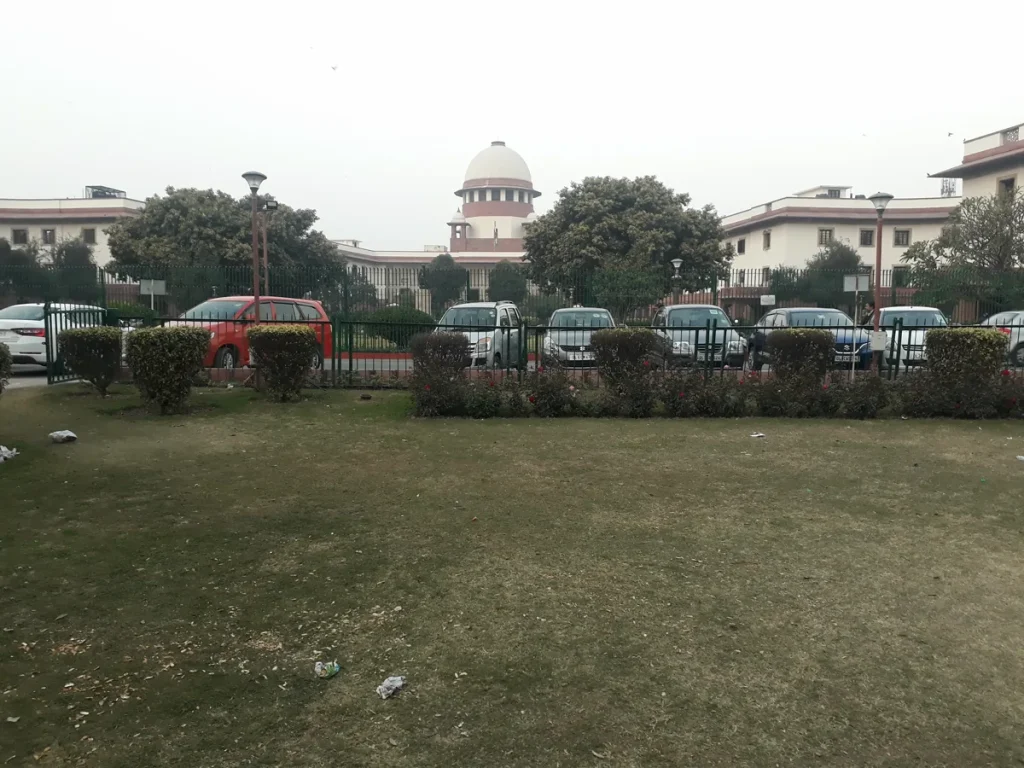
Some protesters shared personal accounts of relatives allegedly wrongly excluded. Reuters reported one woman saying four members of her family had been wrongly excluded. The controversy deepened in September when The Indian Express reported that Kumar had made key decisions about the revision despite objections from the two other election commissioners; the poll panel said differences of opinion were normal and did not affect its functioning. Human Rights Watch has raised concerns about safeguards for marginalised communities. The rally followed weeks of protests, including demonstrations by student groups and the youth-led Cockroach movement, and an earlier INDIA bloc march to the Supreme Court last month demanding Kumar’s resignation.
What happens next
The Election Commission maintains that eligible voters can seek restoration of their names, so the practical question for affected voters is whether re-enrolment works in time for the next elections in their state. Politically, the opposition has made the revision a central charge against the government, while the government and commission insist the exercise is a routine clean-up. No resignation has been announced, and no court ruling settling the dispute is reported in the sources for this rally. Further protests, court filings or a formal commission response would be the next developments to watch.
FAQ
What is the SIR? The Special Intensive Revision of India’s electoral rolls, an exercise to update voter lists.
How many names were removed? Opposition and media reports cite more than 130 million; figures vary (130m, 133m+, 135m claimed) and no single verified total is presented here.
What does the Election Commission say? That removals target duplicates, deceased and ineligible entries, that bias is denied, and that wrongly excluded voters can apply for re-enrolment.