Russian drone strikes on Ukraine’s energy infrastructure overnight on 1–2 November left 10 regions facing power outages and forced emergency cuts in Kyiv, according to Ukraine’s Energy Ministry and grid operator, as attacks over the past day killed two people and injured 32 others, local authorities said.
The overnight barrage is the latest in a sustained campaign against Ukraine’s power system ahead of winter, and it came a night after a much larger drone attack had already cut power to hundreds of thousands of households. Repair crews were working across affected regions on Monday, but officials warned that the grid situation remained difficult, particularly in Kyiv and Dnipropetrovsk.
What happened overnight on 1–2 November
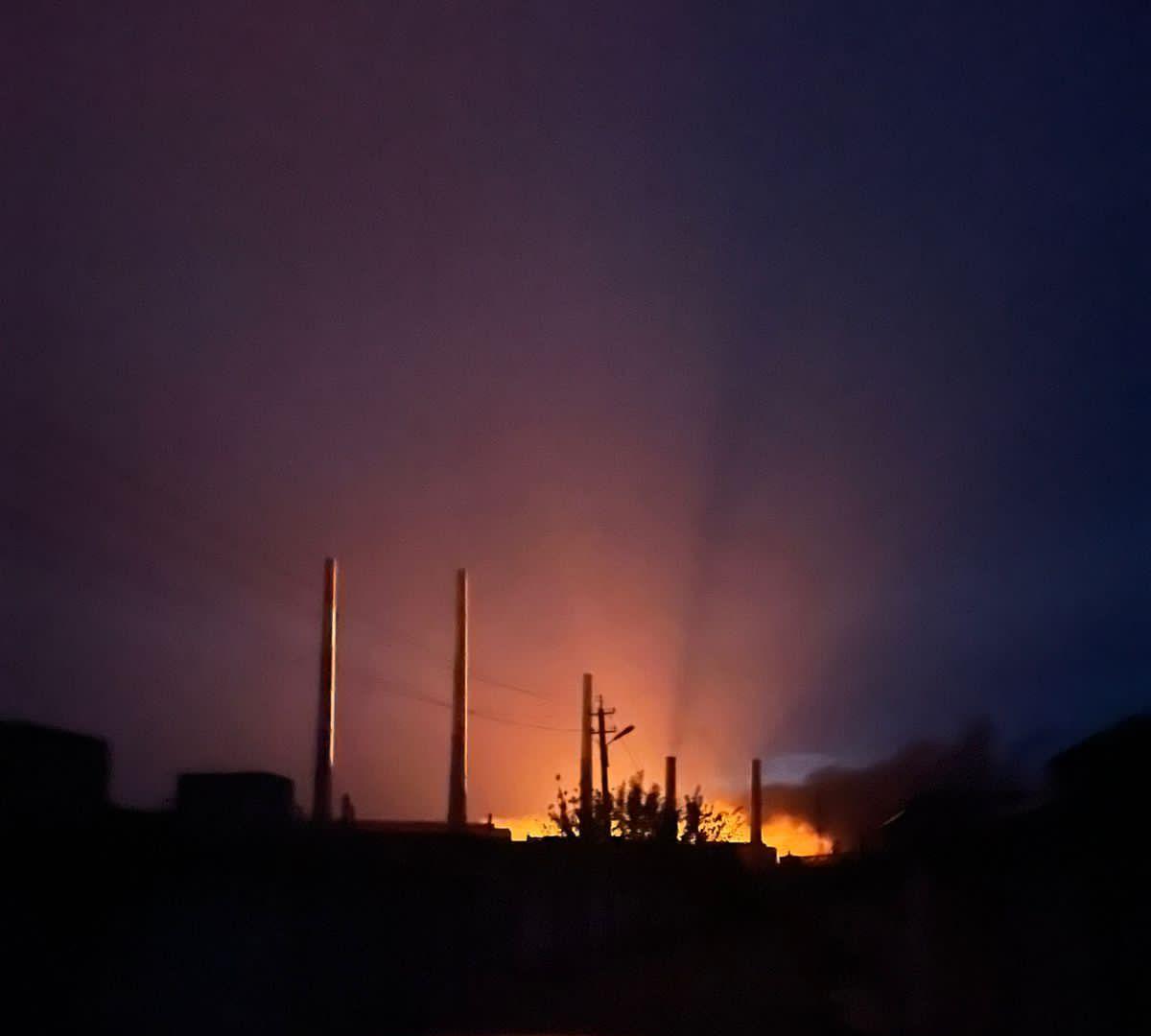
Ukraine’s Air Force said Russia launched 193 long-range attack drones at Ukraine overnight on 2 November, including 75 jet-powered drones. Air defences intercepted 154 of them, including 58 jet-powered drones, the Air Force said. Drone impacts were recorded at 26 locations and falling debris at nine others, according to preliminary data as of about 8 a.m. local time, when six drones were still reported in Ukrainian airspace.
Ukraine’s Energy Ministry said strikes on energy infrastructure had caused power outages in 10 regions as of the morning of 2 November: Vinnytsia, Donetsk, Zaporizhzhia, Rivne, Cherkasy, Odesa, Kharkiv, Kirovohrad, Dnipropetrovsk and Kyiv oblasts. National grid operator Ukrenergo separately reported blackouts across nine oblasts and said emergency power cuts had come into effect in Kyiv and Kyiv Oblast early on 2 November. The two lists differ slightly by reporting time and source, and this article reports both rather than merging them into a single exact count.
Emergency outages are different from scheduled rolling blackouts: in the hardest-hit areas, previously published schedules do not apply until the system stabilises, the Energy Ministry said. Ukrenergo advised consumers to limit high-power appliances during peak hours, from 16:00 to 22:00, to avoid overloading the grid.
Casualties and local damage
The Kyiv Independent, citing local authorities, reported that Russian attacks over the past day killed two people and injured 32 others across Ukraine. Regional reports attributed to governors and local military administrations give a partial picture of where that toll fell.
In Sumy Oblast, a Russian drone struck a car, killing a 70-year-old woman and injuring two other people. In Odesa Oblast, attacks injured five people and struck an energy facility operated by DTEK, Ukraine’s largest private energy company, Governor Oleh Kiper said; a bakery building was destroyed and warehouse, administrative and residential buildings were damaged. In Zhytomyr Oblast, drones attacked seven communities, injuring three people, including a child. In the Kharkiv region, the Kyiv Post reported that the number injured in Izium had risen to 15. Figures remain preliminary and come from local authorities, not from a single consolidated casualty list.
A second night of strikes — do not confuse the two nights
The 1–2 November attack followed a separate, larger drone attack the previous night. Ukraine’s Air Force said Russia launched 433 long-range drones overnight into 1 November, of which 371 were shot down or suppressed. President Volodymyr Zelenskyy said that night’s strikes had hit power infrastructure in four regions and cut electricity to hundreds of thousands of households, adding: ‘The intensity of the strikes is very high, and the Russians are seeking to maximally exploit the deficit of ballistic missile interceptors.’ That quote and the hundreds-of-thousands figure relate to the earlier night, not to the morning of 2 November.
Ukrainian forces also struck back. Zelenskyy said Ukrainian forces hit the Kamensky plant in Russia’s Rostov region, which he said was involved in manufacturing missiles. In Russia’s Nizhny Novgorod region, Governor Gleb Nikitin said a large-scale overnight Ukrainian drone attack caused ‘significant damage’ to an industrial facility, without identifying the site; the regional government took steps to ensure fuel stations were supplied. Kyiv did not immediately claim responsibility for the Nizhny Novgorod attack.
Why the energy campaign matters before winter
Officials and operators link the latest outages to cumulative damage, not to a single night alone. DTEK said Kyiv’s power-grid situation had deteriorated significantly after a repeat Russian strike against a major combined heat and power plant on 30 October, coupled with damage from preceding barrages. Ukrainska Pravda, citing the Energy Ministry, reported that during the week of 26 October to 1 November, Russia deliberately attacked Ukraine’s energy and oil-and-gas sectors 94 times.
Zelenskyy said on 2 November that Russia had launched 36 ballistic missiles and 1,940 drones against Ukraine over the past week. Those weekly totals are Zelenskyy’s figures, reported by Ukrainian outlets, and are not an independently verified count for a single night.
What is not confirmed
No Russian statement on the 1–2 November energy strikes was included in the reports checked for this article, and no single verified total for households without power on the morning of 2 November was published in those reports. This article does not claim a large missile barrage on the night of 1–2 November: the Air Force figures for that night describe drones, including jet-powered drones, while missile figures appear in the separate weekly totals above. The queue headline that described a ‘large missile and drone strike’ has therefore not been repeated as fact for that night.
What happens next
Repair work was under way across affected regions on 2 November, with officials urging residents to check their regional distribution operator for current outage information. Whether emergency cuts in Kyiv ease or widen will depend on further strikes and on how quickly damaged equipment can be restored. Ukraine says it supports a full ceasefire on energy targets; the reports checked for this article contain no agreement to one.
Frequently asked questions
Why is Russia targeting Ukraine’s energy grid? Zelenskyy has accused Moscow of exploiting Ukraine’s shortage of ballistic-missile interceptors to hit power infrastructure. Ukraine’s Energy Ministry describes the attacks as targeted and systematic. Russia’s stated rationale for the 1–2 November strikes was not set out in the reports checked for this article.
How many regions lost power? The Energy Ministry reported outages in 10 regions as of the morning of 2 November; Ukrenergo reported blackouts in nine oblasts plus emergency cuts in Kyiv and Kyiv Oblast. The difference reflects different reporting times and sources.
Are Kyiv’s cuts scheduled? No — emergency cuts were introduced in Kyiv and Kyiv Oblast, and previously published rolling-blackout schedules do not apply in the hardest-hit areas until the system stabilises.
Related reading: Ukraine and Russia Report Cyberattacks on Emergency Alert Apps
Sources
- Kyiv Independent — Russian attacks kill 2, injure over 30 across Ukraine over past day as 10 regions face power outages: https://kyivindependent.com/russian-attacks-kill-2-injure-over-30-across-ukraine-over-past-day-as-10-regions-face-power-outages/
- Kyiv Post — Russian Drone Attacks Kill 1, Injure Dozens, Cut Power and Water Supplies: https://www.kyivpost.com/post/88850
- The New Voice of Ukraine — Russian strikes cause blackouts in nine UA oblasts: https://english.nv.ua/nation/russian-strikes-cause-blackouts-in-nine-ua-oblasts-50655508.html
- Ukrainska Pravda — Ukraine’s power grid: Russian attacks cause new power outages in nine oblasts: https://www.pravda.com.ua/eng/news/2026/11/02/8060870/
- Ukrainska Pravda — Ukraine implements emergency power cuts following Russian infrastructure strikes: https://www.pravda.com.ua/eng/news/2026/11/02/8060828/
- The Nation — Russian strikes cut power to thousands in Ukraine as drones damage Russian facility: https://www.nation.com.pk/02-Nov-2026/russian-strikes-cut-power-thousands-ukraine-drones-damage-russian-facility