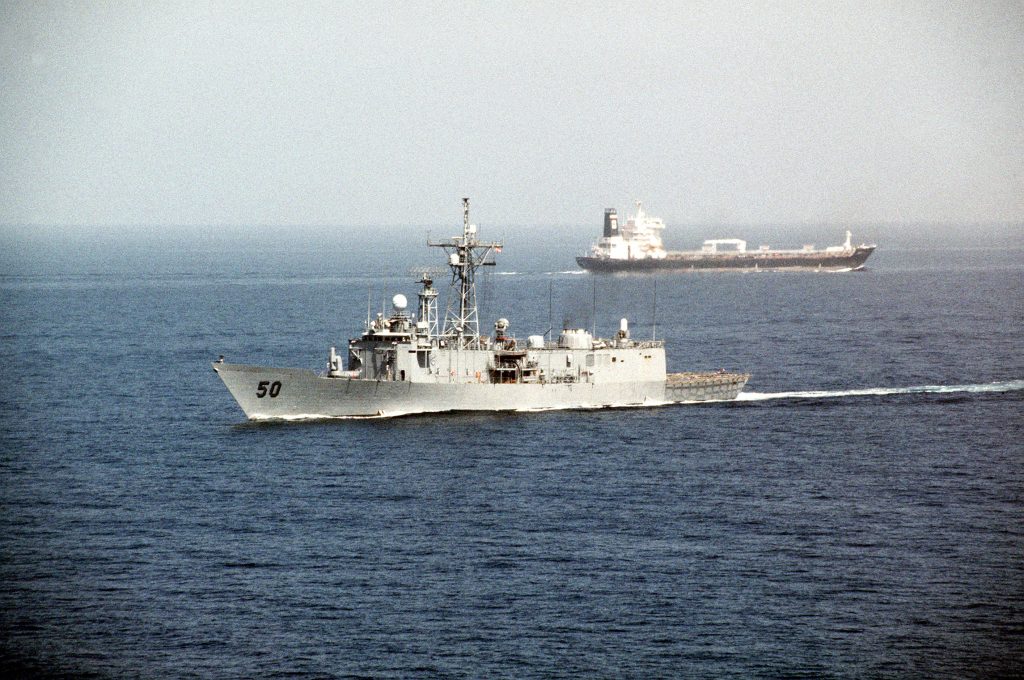
Iran’s Islamic Revolutionary Guard Corps (IRGC) said on Thursday that two oil tankers and a tugboat caught fire in separate incidents in the Strait of Hormuz overnight, after the vessels attempted to use unauthorised routes through the strategic waterway.
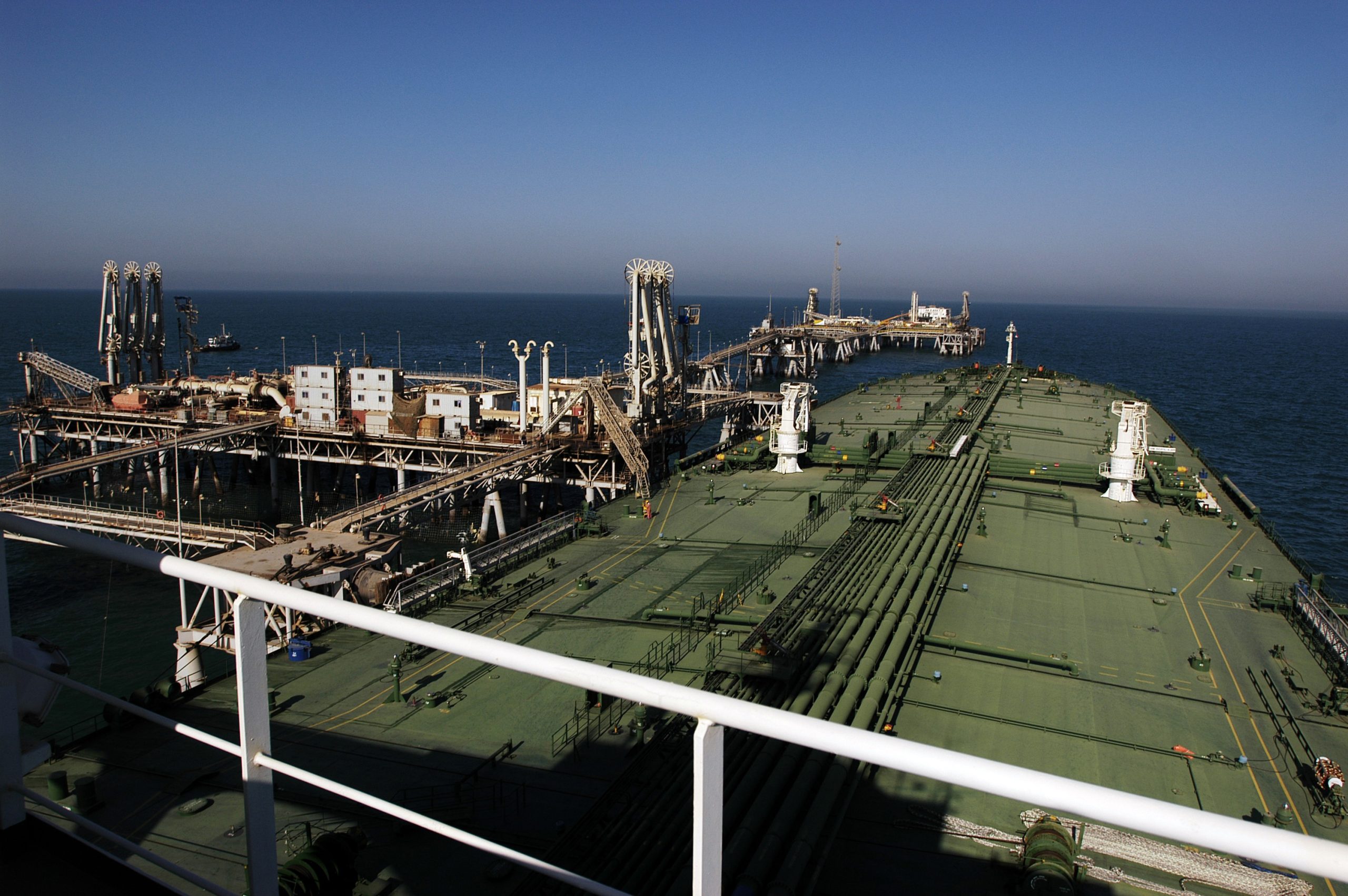
One large oil tanker struck a mine while attempting to cross a passage south of the strait, caught fire and was brought to a halt, the IRGC told Iran’s Fars news agency. A second supertanker caught fire while leaving the route in the eastern part of the waterway, and a tugboat that approached the vessel to help extinguish the flames also caught fire.
The IRGC did not name any of the vessels, give their nationalities, or provide details about possible casualties, the number of crew members on board, or the extent of the damage. There was no immediate independent confirmation of the alleged mine strike or the fires involving the three vessels.
What the IRGC also claimed
Fars also reported that the IRGC navy’s electronic warfare unit had taken control of two LUCAS drones, a US-developed model short for Low-cost Uncrewed Combat Attack System, guiding them to land safely. That claim, like the mine strike, has not been independently confirmed.
The IRGC has repeatedly warned that vessels ignoring Iranian navigation regulations and cooperating with the US military to use unauthorised shipping routes could face similar incidents.
Second incident in two days
The latest incidents follow a similar report on Wednesday, when the IRGC said four oil tankers had been destroyed after striking naval mines while attempting to use a prohibited route south of the Strait of Hormuz. That claim was also not independently confirmed at the time.
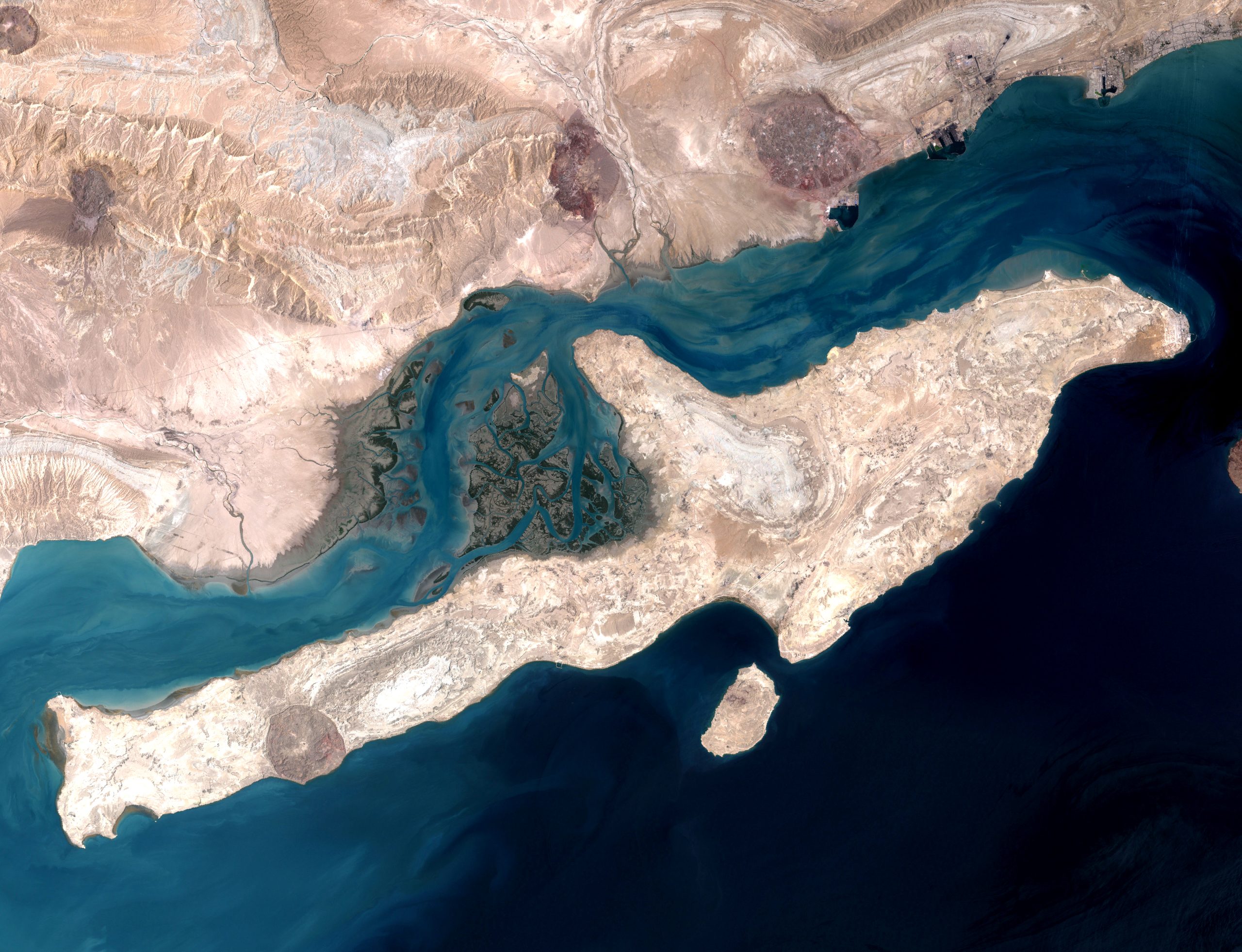
The back-to-back reports come as Tehran has severely restricted traffic through the strait since the outbreak of the war with the United States and Israel on February 28. The waterway, which connects the Persian Gulf with the Gulf of Oman, normally carries about one-fifth of global oil consumption. The United States has in response imposed a blockade on Iranian ports and helped tankers travel through the strait.
The incidents also come a day before the United States and Iran are due to hold nuclear talks in Oman on Friday, with both sides saying they will keep negotiating even as the fighting continues. Read more: US and Iran Confirm Nuclear Talks in Oman on Friday
What is still unknown
Several key facts remain unconfirmed. No vessel names or flags have been released, so it is not yet possible to say who owned or operated the tankers or the tugboat, or where their crews are from. The IRGC gave no casualty figures, and no independent shipping tracker, insurer or government has yet confirmed that a mine strike took place or that any vessel was damaged.
That uncertainty matters because the IRGC is a party to the conflict, and its statements about shipping incidents in the strait serve its own messaging about enforcing its navigation rules. The facts as reported here are therefore the IRGC’s account, carried by Reuters and AFP from Iranian state-linked media, not an independently verified record of what happened at sea.
For context on the earlier incident, see our report on the four tankers the IRGC said were hit by mines on October 30. Iran’s supreme leader has also warned of a far broader response to any renewed US attack, as reported here.
Why it matters
The Strait of Hormuz is one of the world’s most important oil chokepoints, and any disruption there feeds directly into global energy prices and shipping insurance costs. Repeated reports of mines and fires, confirmed or not, raise the risk premium for every tanker that still uses the route, and they underline how far the war at sea has moved from the first weeks of the conflict, when the focus was on airstrikes and missile exchanges.
The timing also matters for diplomacy. With talks due in Oman on Friday, fresh shipping incidents give both sides new material for the negotiating table — and new reasons for shipping companies and oil markets to stay cautious until there is independent evidence of what actually happened overnight.
What happens next
Watch for independent confirmation from shipping trackers, insurers or governments, for the names and flags of the vessels involved, and for any casualty reports. The Oman talks on Friday will also show whether the latest incidents harden either side’s position or are treated as background noise to the negotiation.
FAQ
What happened in the Strait of Hormuz?
Iran’s Revolutionary Guards say two oil tankers and a tugboat caught fire in separate overnight incidents, one after a tanker struck a mine on an unauthorised southern route. The claims have not been independently confirmed.
Were there any casualties?
The IRGC gave no casualty figures, and no vessel names, nationalities or crew numbers were released. Casualties, if any, are unknown.
Is this the first such incident?
No. The IRGC made a similar claim on Wednesday, saying four tankers were destroyed after hitting mines, and reported a comparable incident on October 30. None of those claims has been independently confirmed.
Why does the Strait of Hormuz matter?
The strait connects the Persian Gulf with the Gulf of Oman and normally carries about one-fifth of global oil consumption, making it one of the world’s most important energy shipping routes.
Sources
- Reuters, “Iran’s IRGC says two tankers and tugboat caught fire in Strait of Hormuz”, 5 November 2026 (via The Business Times): https://www.businesstimes.com.sg/international/irans-irgc-says-two-tankers-and-tugboat-caught-fire-strait-hormuz
- Agence France-Presse, “Two tankers, tugboat caught fire in Hormuz”, Gulf Today, 5 November 2026: https://www.gulftoday.ae/news/2026/11/05/two-tankers-tugboat-caught-fire-in-hormuz
- Mehr News Agency, “IRGC reports tanker explosions in Hormuz, US drone seizures”, 5 November 2026: https://en.mehrnews.com/news/249182/IRGC-reports-tanker-explosions-in-Hormuz-US-drone-seizures
- Arab News, “Iran’s IRGC says two tankers and tugboat caught fire in Strait of Hormuz”, 5 November 2026: https://www.arabnews.com/middle-east/irans-irgc-says-two-tankers-and-tugboat-caught-fire-in-strait-of-hormuz-3009888