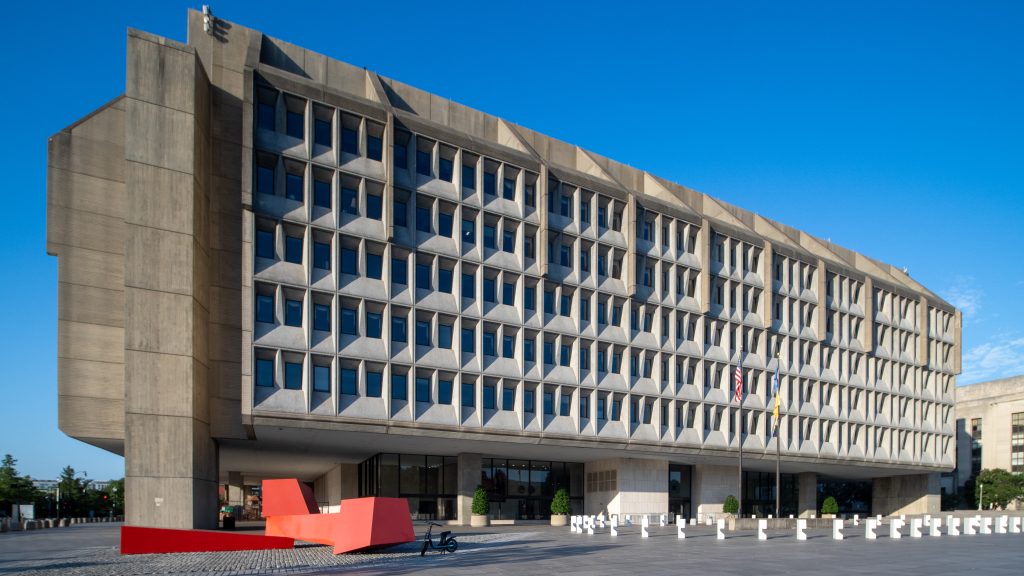
The United States Department of Health and Human Services (HHS) has formally published a draft interim policy under which it will not take enforcement action against pharmacies and physicians that compound six unapproved peptides, provided they meet a set of strict conditions. The notice was filed for public inspection on October 28 and published in the Federal Register on October 30, 2026.
The policy is an enforcement-discretion position, not an approval. HHS states plainly that none of the six peptides has been reviewed by the Food and Drug Administration (FDA) for safety or effectiveness, and that compounded drugs are not FDA-approved. Anyone describing the move as approval of the peptides would be misstating it.
The six peptides covered
Appendix A of the policy lists six peptide bulk drug substances: BPC-157, Epitalon, KPV, MOTS-c, Semax and TB-500. Each is covered only in specific forms and by specific routes, set out in Appendix B:
- BPC-157 acetate: subcutaneous, intramuscular, oral and topical forms.
- TB-500 acetate and MOTS-c acetate: subcutaneous or intramuscular injection only.
- Epitalon acetate: subcutaneous or intramuscular injection, in intermittent courses.
- Semax free base: intranasal use only.
- KPV acetate: topical and oral forms only.
A product outside those limits — for example, Semax prepared as an injection, or a blend combining two listed peptides in one vial — falls outside the policy.
Who is covered, and under what conditions
The discretion applies to state-licensed pharmacies, federal facilities and licensed physicians compounding under section 503A of the Federal Food, Drug, and Cosmetic Act, which governs traditional compounding for individual patients. It applies only when all ten of the policy’s conditions are met, including a patient-specific prescription, a single listed peptide per product, a manufacturer registered with the FDA and named on a certificate of analysis, reporting of serious adverse events to the FDA’s MedWatch programme and to relevant states, and a label stating: “This is a compounded drug product. Not for resale.”
The policy is described in its own Federal Register notice as a draft. It states that it establishes no rights for any person and is not binding on HHS or the public. HHS says it may revisit the policy, in whole or in part, if a safety signal or product-quality problem arises.

Why HHS acted now
The policy follows a July meeting of the FDA’s Pharmacy Compounding Advisory Committee, which voted to recommend including six of the seven peptide-related substances under consideration on the bulk drug substances list — all except Emideltide. That vote was advisory, not binding, and no final FDA decision on the list has been released. The interim policy bridges the gap while the FDA completes rulemaking on whether each substance belongs on the section 503A list.
The notice carries docket number HHS-OASH-2026-0496 and was signed by HHS Secretary Robert F. Kennedy Jr. It is open for public comment for two weeks from its October 30 publication. This follows Emadan’s October 28 report on the announcement: RFK Jr. Opens Door to Unapproved Peptide Injections — the October 30 Federal Register publication is the formal follow-on, not a repeat of that story.
What this does not change
It does not change the status of “research use only” products sold online, which are laboratory chemicals, not medicines for people, and do not meet the compounding standards in the policy. It does not mean the peptides are safe or effective for any condition they are marketed against, and it does not remove the need for a prescription. Patients considering any compounded peptide should discuss it with a clinician and a licensed pharmacist — this article is not medical advice.
What happens next
Watch for the close of the two-week comment period, any safety or quality signal that prompts HHS to revisit the policy, and the FDA’s eventual rulemaking decision on the bulk substances list, which will decide whether this interim position becomes permanent, is narrowed, or ends.
Frequently asked questions
Is BPC-157 now FDA-approved? No. The policy expressly says compounded drugs are not FDA-approved and the FDA has not reviewed these peptides for safety or effectiveness.
Can pharmacies mix two peptides together? No — under this policy each covered product contains only one listed peptide.
Does the policy apply outside the United States? No. It is a US federal enforcement position; it has no legal effect in the UK or other countries.
Sources
- US Department of Health and Human Services, “Enforcement Discretion Policy Regarding 503A Compounding Using Certain Peptide Bulk Drug Substances” — HHS policy (PDF)
- Federal Register, Notice of Availability, Docket HHS-OASH-2026-0496 — Federal Register notice
- AJMC, “HHS Draft Policy Eases Enforcement on 6 Compounded Peptides” (October 29, 2026) — AJMC
- Reason, “RFK Jr. institutes backdoor approval of 6 peptides” (October 29, 2026) — Reason
Related coverage: Trump has set up a women’s health task force at the NIH.