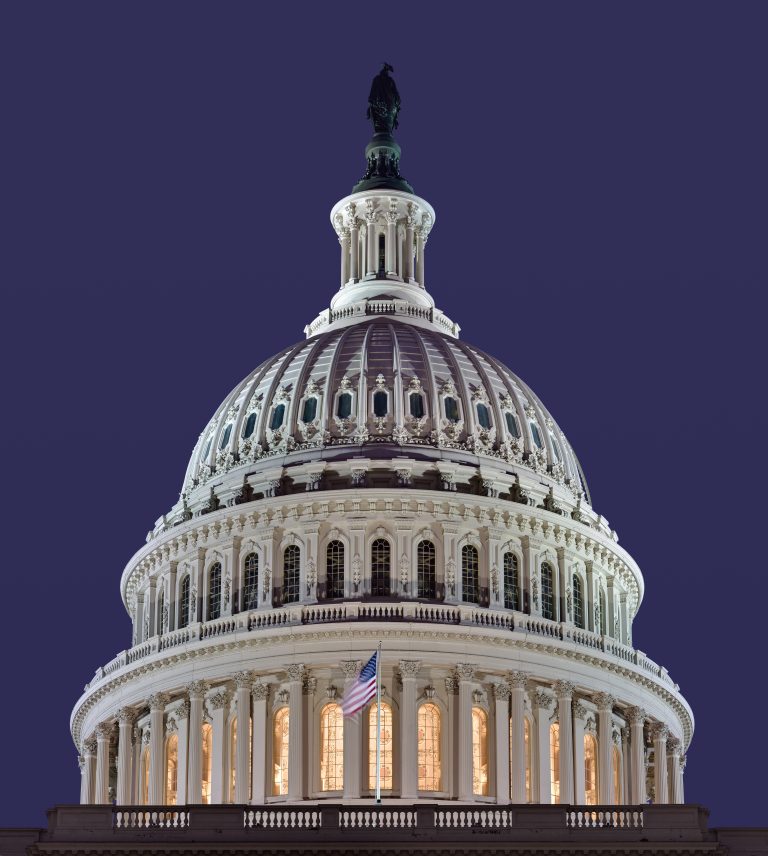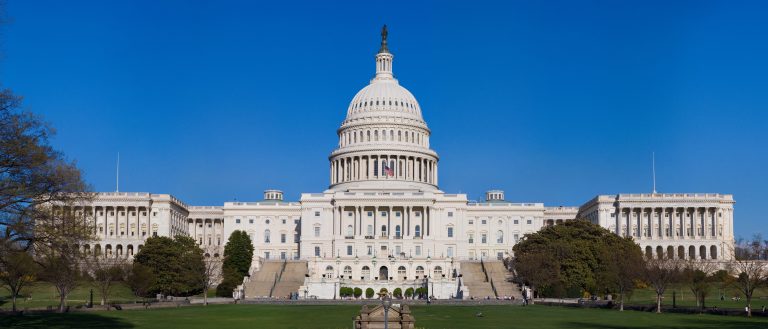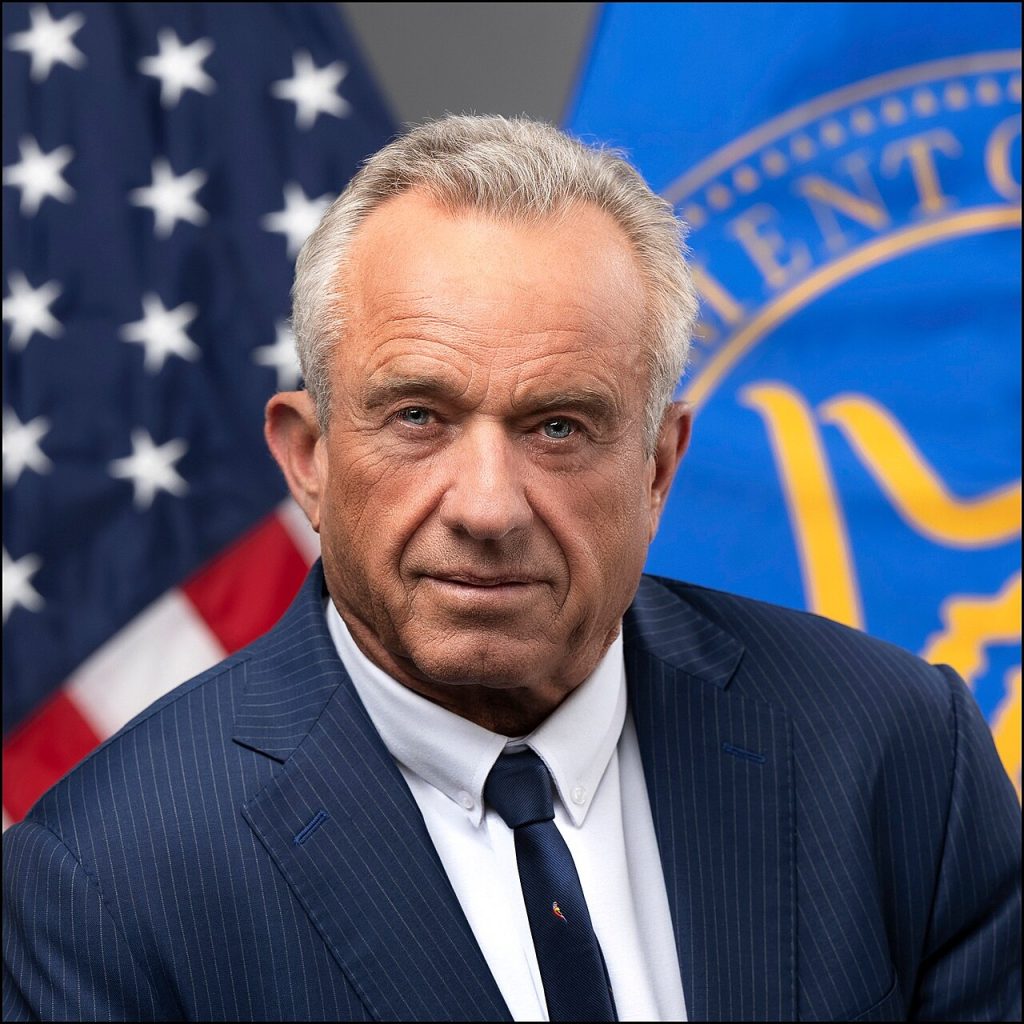
Health Secretary Robert F. Kennedy Jr. has opened the door to widespread access to six unapproved peptide injections promoted by online wellness influencers — despite opposition from most of the Food and Drug Administration’s own scientific staff, according to reporting by the Associated Press, the New York Times and CNN.
The Department of Health and Human Services (HHS) posted the policy on Wednesday, October 28. Rather than declaring the peptides safe, HHS is using “enforcement discretion”: it instructs the FDA not to take action against specialty compounding pharmacies that make and sell the substances while a permanent rule change is considered.

Which peptides are covered?
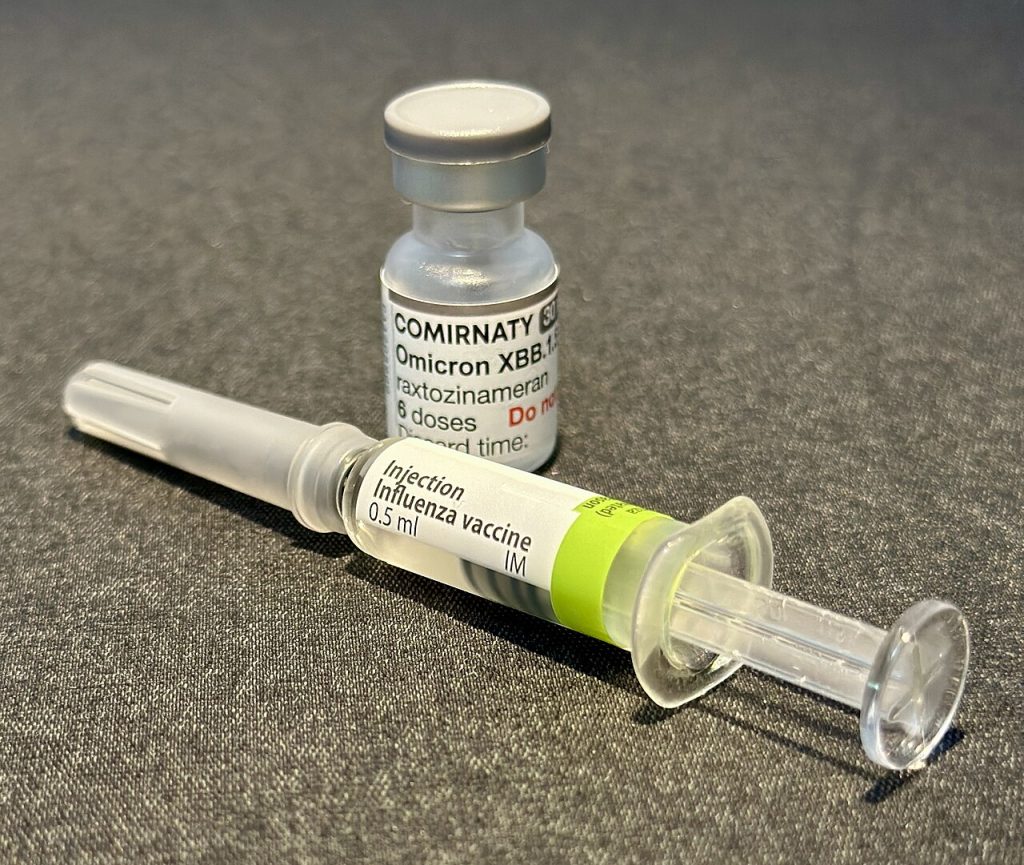
The policy covers six injectable peptides: BPC-157, epitalon, KPV, MOTS-c, semax and TB-500. They are promoted in wellness circles for building muscle, speeding recovery from injuries, boosting energy and even slowing ageing — but none has passed the FDA’s safety and effectiveness review, and none is FDA-approved.
HHS says the policy does not grant FDA approval and does not establish clinical safety and effectiveness. That distinction matters: “enforcement discretion” means the agency is choosing not to enforce certain rules for now, not that the products have been proven safe or effective.
What FDA scientists said — and what HHS did instead
According to six people familiar with how the plan was developed, who spoke to the Associated Press on condition of anonymity, FDA drug staff overwhelmingly objected to wider access and had only limited input into drafting the policy. They warned the approach could weaken the agency’s long-held role of keeping unproven health products off the American market.
CNN, reporting the Associated Press account, said FDA officials warned that agency scientists would not support a regulation deeming the peptides safe. HHS had first aimed higher: officials wanted the FDA to write a regulation adding BPC-157 and other peptides to the list of substances considered safe for compounding. When FDA leaders said their scientists would not back such a finding, HHS switched to the enforcement-discretion approach instead.
The document posted on the HHS website frames the decision as Kennedy’s alone, the New York Times reported, and FDA scientists were not present at at least one meeting on Tuesday finalising the policy. “The secretary has determined that the policy advances patient choice and freedom while appropriately protecting patient safety,” the document said, according to the Times.

What safeguards are included?
FDA staff did help draft some safeguards, according to the reporting. Pharmacies must use peptide ingredients made in FDA-registered factories, confirm the chemical identity and purity of what they produce, and gather reports of side effects for safety review. HHS spokeswoman Emily Hilliard said the policy requires “patient-specific prescriptions, traceable ingredients, quality testing and safety reporting to hold compounders accountable and give patients an alternative to unregulated sellers.”
Hilliard said the policy was aimed at “confronting the risks of black-market peptides.” Kennedy has argued that Americans are turning to “gray market” products imported from China and other countries, often sold labelled “for research use only” — a workaround sellers use to claim the products are not meant for humans — and that regulated compounding would offer a safer alternative.

Why this is controversial
The controversy is not only about these six substances. Decisions over compounding have almost always come from the FDA, which has an office dedicated to protecting consumers from unsafe or poor-quality compounded drugs. CNN noted it is extremely rare for HHS to take the lead in drafting policy over the compounding industry, although federal law technically gives HHS authority over essentially all drug regulations, which are then delegated to the FDA.
The safety record also matters. In 2023, the FDA added more than a dozen peptides, including BPC-157 and TB-500, to its list of substances that should not be compounded, citing risks including allergic reactions, kidney damage and tumour growth. At a meeting in July, FDA staff reiterated that more than half a dozen peptides brought forward for reconsideration remained unproven in safety and effectiveness.
Kennedy has called himself a “big fan” of peptides and has described using BPC-157 to treat a muscle injury. BPC-157 and TB-500 are also considered doping substances by international sports authorities, according to Fast Company.
What happens next
Compounding pharmacies can now offer the six peptides under the enforcement-discretion policy while HHS considers a permanent rule change. That permanent rule — if it proceeds — would be the point at which the substances could be formally added to the list of ingredients compounding pharmacies are allowed to make. Until then, the products remain unapproved, and the policy itself is a decision not to enforce, not an approval.
Drug safety experts quoted in the coverage have warned that bypassing standard safeguards — such as tests for whether compounds work better than a placebo and whether they might cause cancer or birth defects — sets a precedent that could extend well beyond peptides.
Frequently asked questions
Are these peptides now FDA-approved? No. HHS’s policy is enforcement discretion, not approval, and HHS itself says it does not establish clinical safety and effectiveness.
Which peptides are covered? BPC-157, epitalon, KPV, MOTS-c, semax and TB-500.
Why did FDA scientists object? According to people familiar with the deliberations, they warned the approach could undermine the FDA’s role in keeping unproven health products off the market, and they had concluded there was insufficient data to prove the peptides safe and effective.
Related coverage on Emadan: Lilly’s Retatrutide Beats Ozempic on Blood Sugar and Weight Loss in Head-to-Head Phase 3 Trial — related health coverage.
Sources
- CNN, “FDA scientists opposed the Trump administration’s move to ease peptides access”, October 28, 2026 — https://www.cnn.com/2026/10/28/health/fda-peptide-access?cid=external-feeds_iluminar_meta
- New York Times via DNYUZ, “Kennedy to Allow Broad Use of Unapproved Peptide Injections”, October 28, 2026 — https://dnyuz.com/2026/10/28/kennedy-to-allow-broad-use-of-unapproved-peptide-injections/
- QNC News, “HHS Lets Pharmacies Compound Six Unapproved Wellness Peptides”, October 28, 2026 — https://qncnews.com/2026/10/28/hhs-lets-pharmacies-compound-six-unapproved-wellness-peptides/
Note: this article reports a policy decision and attributed claims about safety. It is not medical advice. Peptides covered here are not FDA-approved.