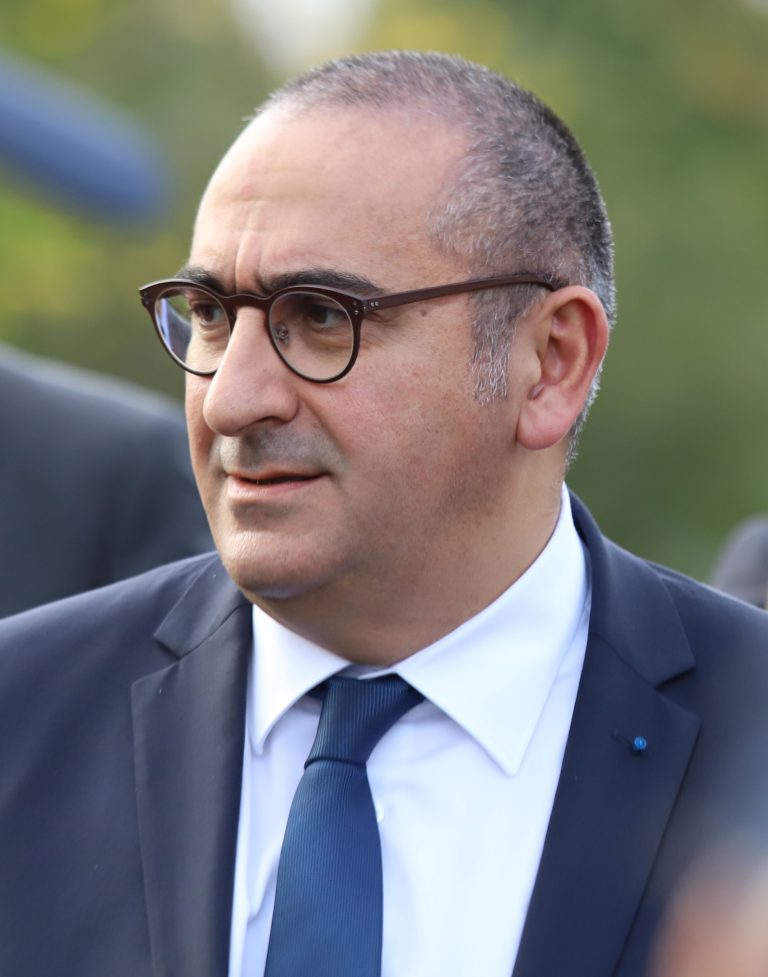
France’s government entered full crisis mode on Monday after one of the worst weekends of street violence in years. President Emmanuel Macron admitted “failures in anticipation and intelligence” over Saturday’s cost-of-living protests — but refused the resignation of Interior Minister Laurent Nuñez, ordering him to overhaul policing, the Élysée Palace said, per AFP.
- Who: President Macron, PM Sébastien Lecornu, Interior Minister Laurent Nuñez.
- What: Nuñez offered to resign after Saturday’s riots; Macron refused and ordered new security methods.
- When: Resignation submitted Sunday, refused Monday, as Lecornu chaired a crisis meeting.
- Why it matters: Some of France’s worst urban violence in years — with damage bills in the hundreds of millions of euros.
What happened in France this weekend: latest update
More than half a million people joined demonstrations across France on Saturday against the rising cost of living and worsening public services, according to the BBC. Most marched peacefully — but masked groups hijacked the evening, turning protests in Paris, Lyon, Marseille, and other cities into looting, arson, and clashes with police.
The toll was heavy: nearly 2,400 people were arrested and almost 1,000 police and gendarmes were injured, according to the interior ministry and AFP. About 1,500 businesses were looted or destroyed, with losses estimated in the hundreds of millions of euros. The 19th-century town hall in Limoges was deliberately burned, a tourist office was torched in Lyon, and the Statue of the Republic in Paris was defaced.
Why Macron kept his interior minister: explained
Calls for Nuñez’s resignation came from the Greens, the far left, and the far-right National Rally, according to Anadolu Agency. Lecornu blamed “ultra-left” groups, a line echoed by Marine Le Pen, while far-left leader Jean-Luc Mélenchon accused the authorities of inflaming tensions.
Macron’s answer, via the Élysée Palace, was to keep Nuñez in place. “The interior minister submitted his resignation to the president on Sunday,” the statement said, per AFP. “Given the necessity for continued leadership of law enforcement at this time, the president refused.” Macron ordered “new operational methods for security forces” — a day after his Sunday address vowing that “those who sought to bring down the Republic will be held accountable,” per CNN.
France government crisis: what comes next
Lecornu chaired a crisis meeting of ministers on Monday on the economic fallout, insurance for damaged shops, and prosecutions, his office said. National Assembly president Yaël Braun-Pivet proposed a parliamentary commission of inquiry into the violence, and Paris Mayor Emmanuel Grégoire set up an emergency task force for damaged businesses.
France riots: your questions answered
What is happening in France today?
France faces a political crisis after weekend protests turned violent. On Monday, President Macron refused his interior minister’s resignation and the prime minister chaired a crisis meeting on the damage from Saturday’s riots.
Why are people protesting in France?
Over half a million people demonstrated Saturday against the rising cost of living and worsening public services, according to the BBC. Peaceful marches were later hijacked by masked groups who turned them into riots.
Earlier coverage: Paris Riots: 1,200 Arrested in Violent Night and Macron Vows France Rioters Will Pay.
Sources: AFP (via The Korea Times), BBC News, Anadolu Agency, CNN; figures from France’s Interior Ministry and the Élysée Palace.