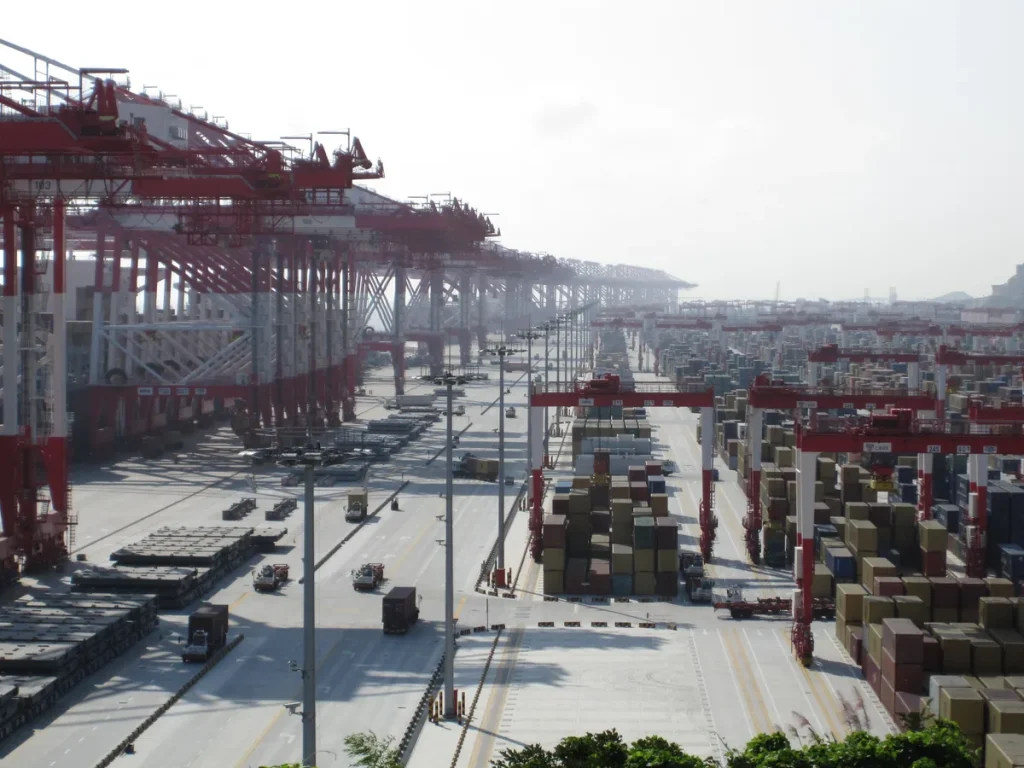
Dockworkers went on strike across Europe and beyond on Friday, disrupting shipping and ferries as they protested against the use of their ports for arms shipments and the number of seafarers killed in wars from the Gulf to the Black Sea, Reuters reported.
More than 25 unions backed the one-day action, which organisers said covered 113 ports in 22 countries. The International Transport Workers’ Federation, which supported the action, put the figure at more than 100 ports in 17 countries — a lower count than the organisers’ claim, and a reminder that the full scale of a decentralised, one-day stoppage is difficult to pin down while it is still under way.
“We will not work for their wars, and we will not become food for their cannons,” Apostolos Kypraios, head of the Greek union of merchant marine engineers, told Reuters during a rally at the Greek port of Piraeus.
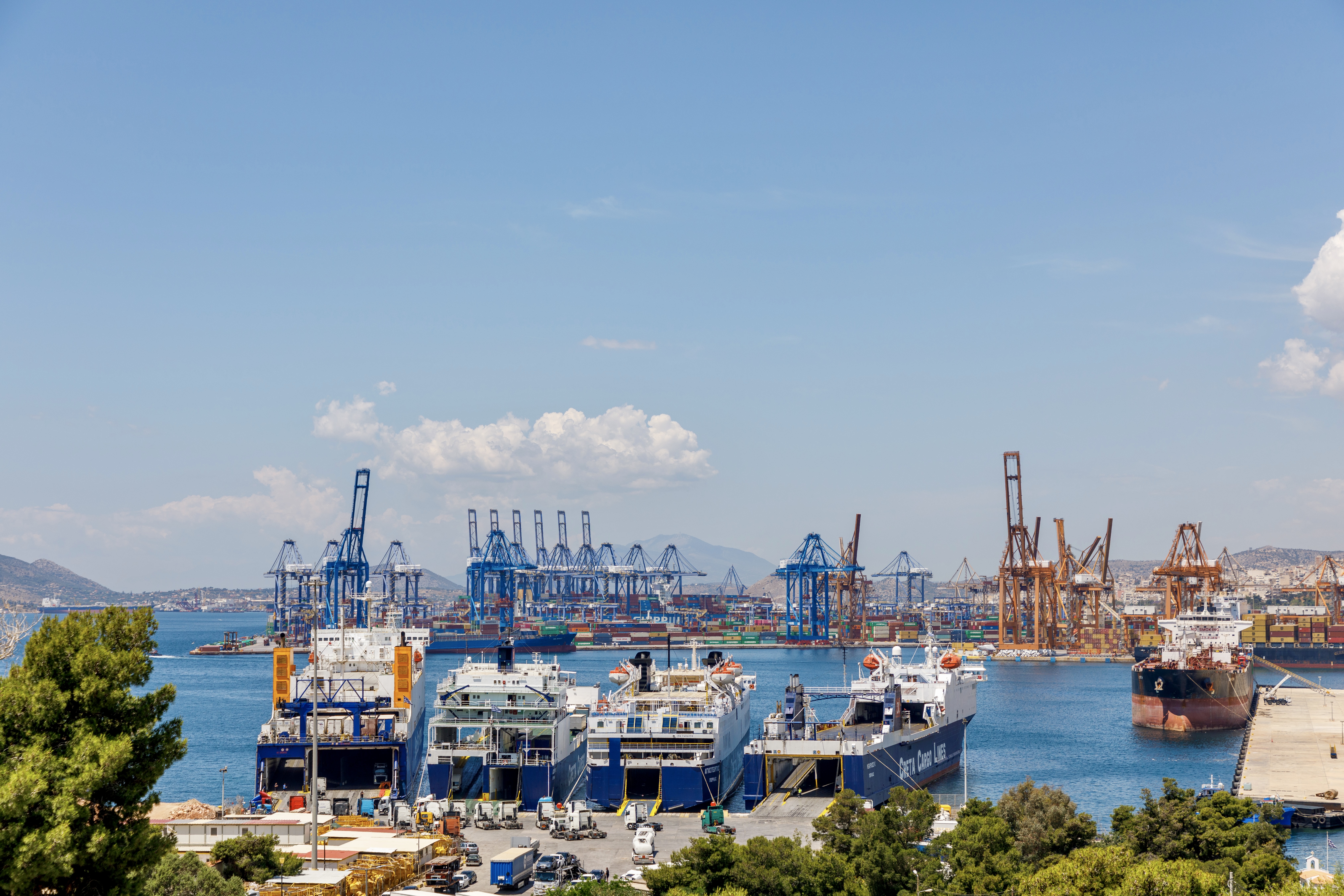
Where work stopped
The stoppages covered major shipping hubs including Piraeus, Valencia, Le Havre, Algeciras and Genoa, as well as Morocco’s Tangier Med and India’s Nhava Sheva, according to Reuters. Italy’s transport ministry registered a full 24-hour national port-sector strike, with port demonstrations in Genoa, Livorno and Trieste, while Italy also held a general strike on the same day.
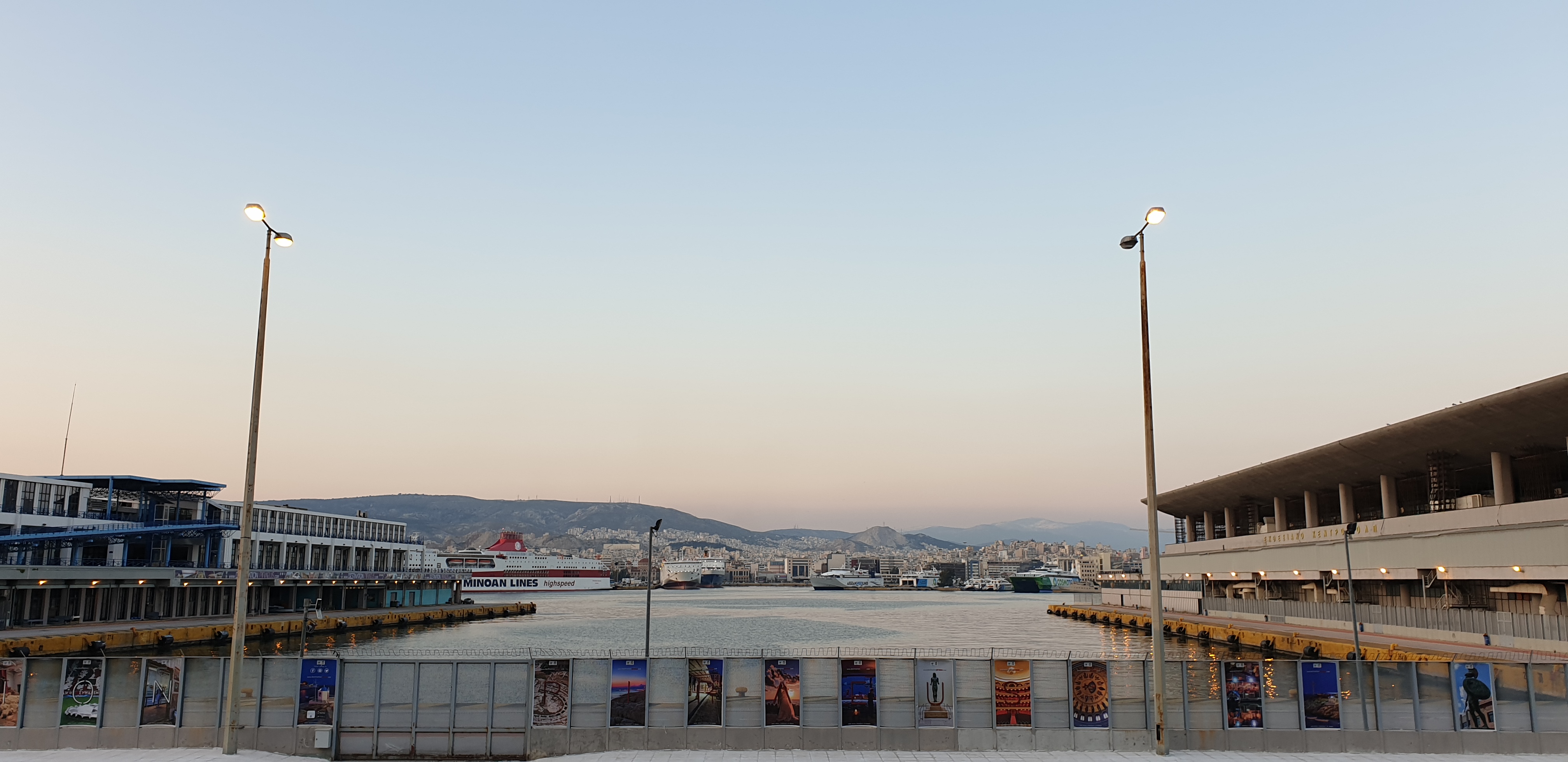
In Greece, ferries remained docked at Piraeus as maritime workers staged a three-hour stoppage, while other unions called a 24-hour strike. In France, the CGT dockers’ union called a 24-hour strike, and its leader Tony Hautbois told AFP he expected 95 percent of activity at French ports to stop; there were no trucks at the two entrances to Le Havre on Friday morning. Germany’s ver.di joined through its Hamburg port section, Ireland’s SIPTU and Denmark’s 3F signed up, and in the United States, ILWU Local 10 brought in San Francisco and Oakland. Spain’s Coordinadora filed notice of a two-hour stoppage at all state ports.
What the unions are demanding
The central demand is that port facilities not be used to transport weapons destined for war zones. The strikers also called for pay rises, better working conditions and the right to have doctors on board vessels crossing war zones. A group called “No Harbour for Genocide,” campaigning to stop military cargo reaching Israeli ports, said the protest would halt some 52,000 containers and snarl cargo worth $2.8 billion.
Organisers separately estimated that the action could affect more than 40 percent of Mediterranean cargo and put more than $2 billion worth of freight at risk. Reuters said it was not able to independently verify the impact, and those figures should be read as organisers’ claims, not confirmed disruption totals. The extent of the disruption remained uncertain even as ferries halted and French ports largely stopped.
The background: a campaign built since May
The action grew out of the Istanbul Declaration, published in May 2026 by dockworkers’ unions from more than 35 European countries, demanding that port facilities not be used to transport weapons destined for war zones. The October 30 action is the latest in a series of international mobilisations this year, and organisers presented it as a test of whether organised labour can intervene in arms logistics chains where, they argue, no legal instrument below the level of the state currently lets port workers refuse licensed weapons cargo.
Reuters also reported the grim context the unions cited: 28 attacks on vessels in the Gulf in the first 21 days of October, described as a record since the start of the Iran war, and 570 confirmed attacks in the Black Sea so far this year, leaving 40 seafarers dead and hundreds wounded. Those figures come from the unions’ account as reported by Reuters, not from an independent count.
Related coverage: Iran’s Revolutionary Guards Say Two Tankers Stopped South of Strait of Hormuz as Limpet-Mine Attack Disables Another
What happens next
As a one-day action, the strike’s immediate test is what Monday’s shipping schedules show: whether containers were delayed or simply absorbed. The unions’ longer campaign — the Istanbul Declaration’s demand that civilian ports stop handling arms cargo — will be measured not by one day’s stoppages but by whether port authorities, shipping lines or governments respond to it.
FAQ
How many ports took part in the October 30 dockworkers’ strike?
Organisers said 113 ports in 22 countries, backed by more than 25 unions. The International Transport Workers’ Federation put it at more than 100 ports in 17 countries.
What were the dockworkers protesting?
Primarily the use of civilian ports for arms shipments to conflict zones, alongside demands for higher pay, better working conditions and doctors aboard vessels in war zones.
How much disruption did the strike cause?
That is not yet independently verified. Organisers claimed more than $2 billion in freight at risk; Reuters said it could not independently verify the impact.
Sources
- Reuters via KTWB: https://ktwb.com/2026/10/30/dockworkers-strike-in-europe-and-beyond-against-arms-shipments-war-deaths/
- Port Technology: https://www.porttechnology.org/news/ports-and-terminals/dockworker-strikes-ports-military-cargo/
- Shipping Telegraph: https://shippingtelegraph.com/port-news/dockworkers-claim-friday-strike-across-113-ports-over-arms-trade-and-war/