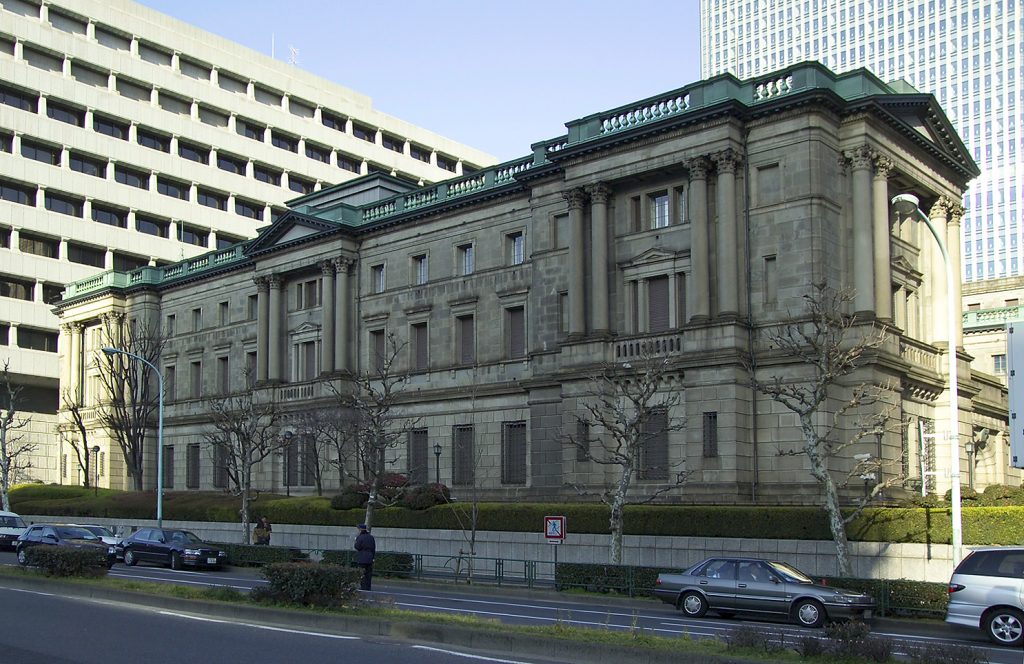
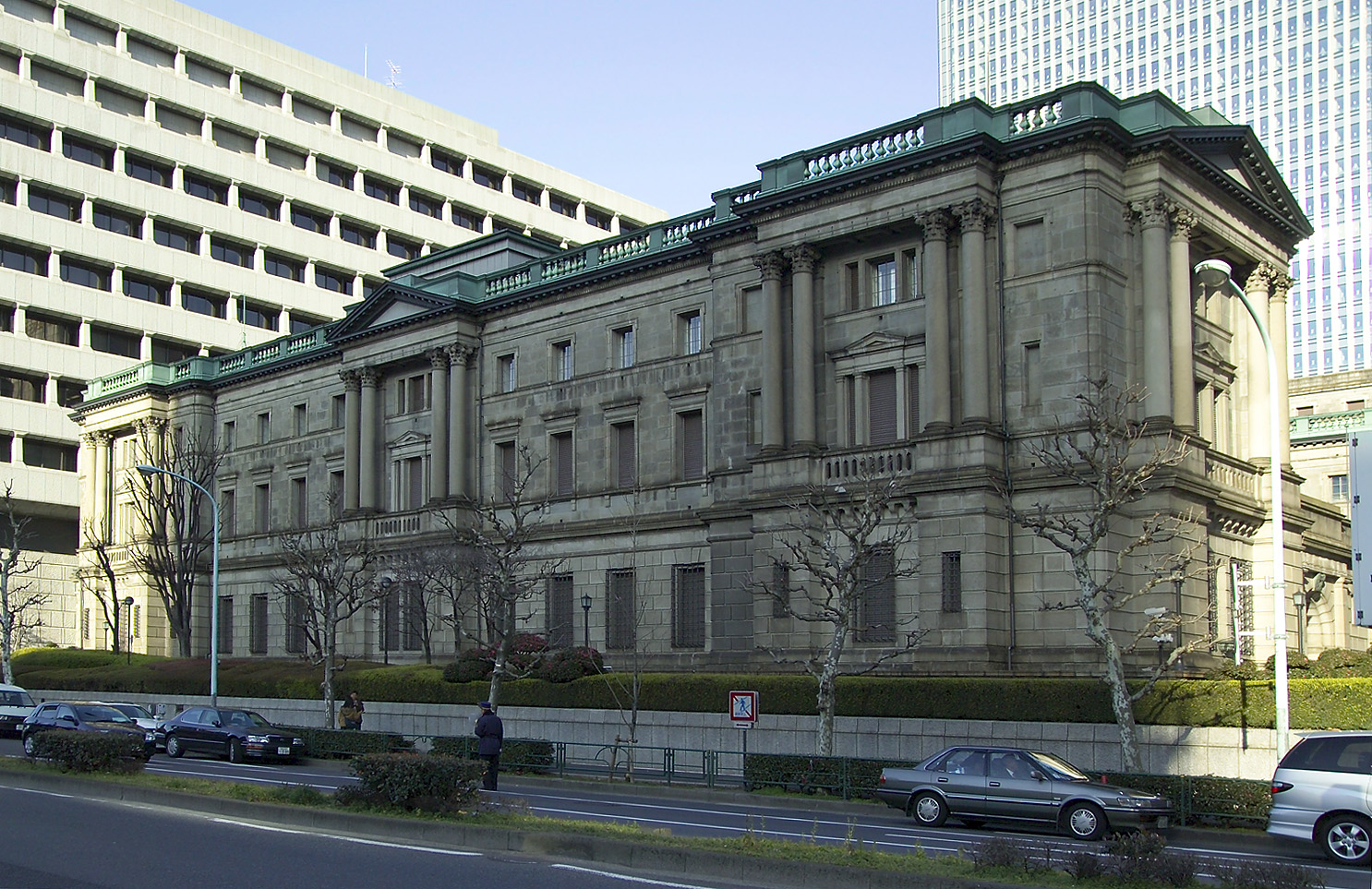
The Bank of Japan kept its benchmark interest rate unchanged at 1.25% on Friday, October 30, 2026, while approving a sharp acceleration in the sale of the exchange-traded funds (ETFs) it accumulated during years of monetary stimulus.
The decision pairs a pause on rates with a faster unwinding of the central bank’s vast stock-market holdings. From January 2027, the Bank will sell ETFs at a pace of about ¥860 billion a year on a book-value basis, more than double the current pace of about ¥330 billion a year.
An 8–1 vote on rates, a unanimous vote on ETF sales
The Policy Board voted 8–1 to hold the uncollateralised overnight call rate at around 1.25%. Board member Hajime Takata dissented, proposing an increase to 1.5%. He argued that underlying consumer-price inflation had reached the Bank’s price-stability target and that policy should move faster toward a neutral level. The majority rejected that proposal.
The faster ETF sales pace, by contrast, was approved unanimously. The Bank said sales carried out since January 2026 had proceeded smoothly without a major market impact, and that expanding stock-market trading volumes gave it room to move faster.
The decision follows the Bank’s September increase of 25 basis points, from 1% to 1.25% — its highest policy rate since 1995.
What the faster ETF sales mean
The distinction between book value and market value matters here. The new ¥860 billion annual pace is measured at book value. Using the valuation ratio of funds sold between January and September 2026, the Bank estimates it corresponds to about ¥2.46 trillion a year at market value.
At the new pace, ETF sales would amount to about 0.1% of stock-market trading value, up from about 0.05% previously. On the Bank’s calculation, the time needed to dispose of its remaining holdings falls from roughly 112 years to roughly 43 years. Those are estimates based on holdings at the end of September, not fixed completion dates.
The scale of the remaining holdings explains why the timeline stays so long even after the acceleration. As of the end of March, the Bank’s ETFs had a total market value of around ¥94 trillion (about $597 billion).
The Bank also kept flexibility in the programme: it said it could temporarily adjust or suspend sales depending on financial-market conditions, while staying within the annual pace. Its separate annual sales of Japan real estate investment trusts (J-REITs) were left unchanged, according to reports of the decision.
Inflation outlook raised, December hike stays in play
Alongside the decision, the Bank released its quarterly Outlook Report, lifting its inflation forecast for the fiscal year starting in April 2027 to 2.6%, from 2.4%. It assessed underlying consumer-price inflation as broadly consistent with its 2% target.
That combination — a hold now, but underlying inflation judged to be at target — keeps a further rate increase in play. Reuters reported that markets had priced a high chance of a December increase, and that the next move could come as soon as December. Governor Kazuo Ueda said the Bank would adjust policy so inflation stays anchored around 2% and must watch for the risk of prices overshooting.
Why it matters
For investors, the two halves of the decision pull in different directions. The rate hold avoids an immediate tightening shock, but the dissent and the inflation assessment signal the tightening cycle is not over. The faster ETF sales, meanwhile, are a slow, mechanical tightening of a different kind: a steady, predictable supply of shares returning to the market over decades, rather than a sudden sell-off.
For Japan’s households and businesses, the more immediate question is the path of borrowing costs. If the Bank does move again in December, as some analysts now expect, it would be the second increase in four months — a pace that would mark a clear break from the era of ultra-low rates.
What to watch next
Japanese inflation and wage data ahead of the December meeting, the yen’s path against the dollar, and how markets absorb the larger ETF sales once they begin in January 2027. The Bank’s own condition for the programme — that sales continue smoothly without a major market impact — will be tested in the first weeks of the new pace.
Frequently asked questions
Did the Bank of Japan raise interest rates on October 30, 2026?
No. It held its short-term policy rate at 1.25%. One board member, Hajime Takata, voted for an increase to 1.5%, but the proposal was rejected 8–1.
How fast will the Bank sell its ETFs from January 2027?
About ¥860 billion a year at book value, up from about ¥330 billion — roughly 0.1% of stock-market trading value, compared with about 0.05% before.
Will the Bank sell all its ETFs in 43 years?
Not necessarily. The 43-year figure is the Bank’s estimate at the new pace, based on holdings at the end of September. The Bank can adjust or suspend sales if market conditions require it.
Sources: Nikkei Asia, October 30, 2026; Asianet News (ANI), October 30, 2026; Bank of Japan monetary policy statement, October 30, 2026, as reported by Nikkei Asia, ANI and Action Forex.