Iran’s Revolutionary Guards Navy said on Friday that two oil tankers were stopped in waters south of the Strait of Hormuz after ignoring radio warnings and attempting to use what Tehran describes as an unauthorised route through the strategic waterway. In a separate incident reported by Reuters, a small boat attached two limpet mines to the hull of a tanker in the strait, causing an engine-room fire and temporarily disabling the vessel.
The two developments, reported on October 30, underline the growing risk to commercial shipping in one of the world’s most important oil transit routes, where Iran has tightened control over passage since the war with the United States and Israel began in February.
What the Revolutionary Guards said
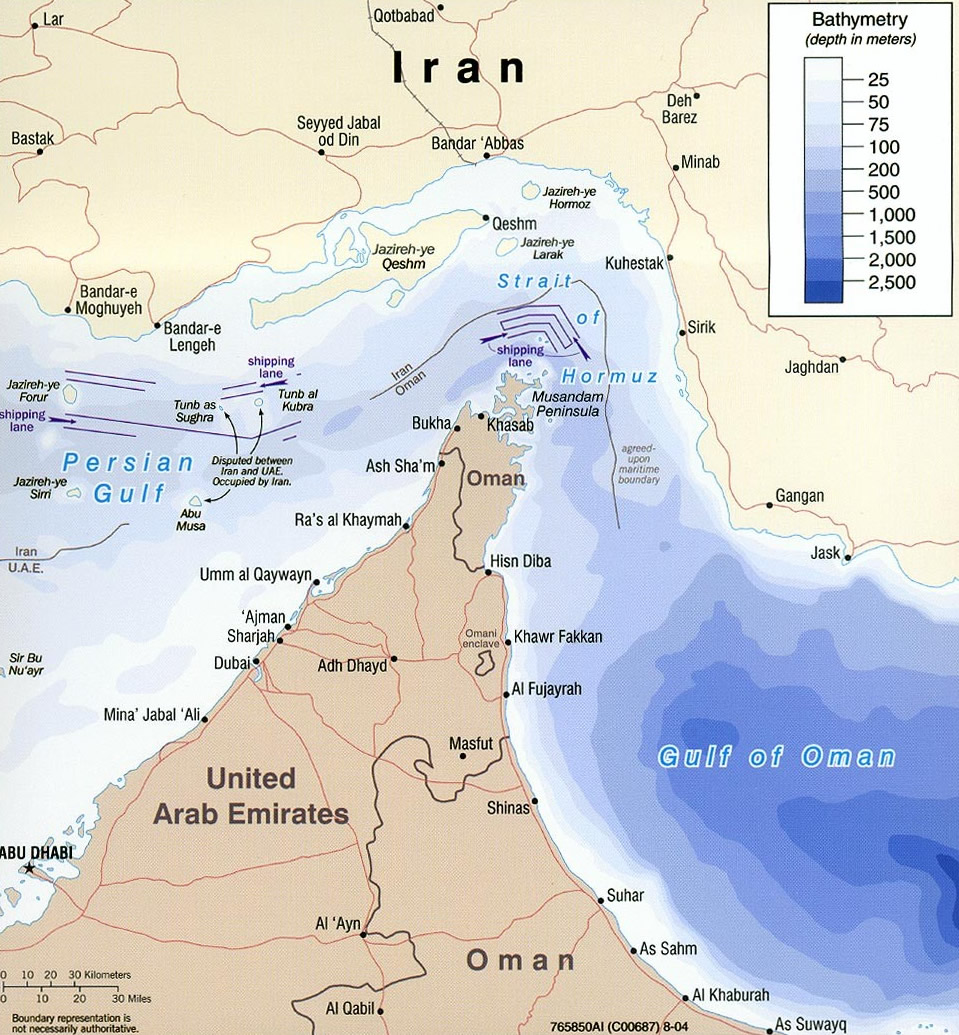
According to the Revolutionary Guards statement, carried by Reuters and Arab News, the two oil tankers had switched off their navigation and positioning systems and were attempting to leave the strait through an unauthorised route despite receiving several radio warnings. The statement said the vessels, one in the eastern part of the strait and one in the western part, encountered unspecified incidents and were brought to a halt in waters south of the strait.
The Guards also claimed the tankers were moving with the support of the United States military. That claim has not been independently verified. The statement did not name either vessel and did not explain what it meant by the incidents that caused them to stop, so their identities, cargoes and current condition remain unconfirmed in public reporting.
Iran has said vessels must use a designated route through the strait and coordinate their passage with its armed forces, labelling a southern corridor closer to Oman’s shores as unauthorised. Tehran has restricted maritime traffic through the waterway since the war began on February 28 with US-Israeli strikes on Iran.
The separate limpet-mine incident
Separately, Reuters reported, citing maritime security sources, that a small boat approached the Panama-flagged tanker Louise 1 on Thursday and attached two limpet mines — explosive devices designed to adhere to a ship’s hull. The mines detonated, igniting a fire in the engine room and temporarily putting the vessel out of operation.
British navy agency United Kingdom Maritime Trade Operations (UKMTO) said in an advisory note that the crew was safe, there was no environmental impact, and the fire had been extinguished. UKMTO did not name the vessel in its advisory, but said it was continuing to its next port of call. The incident occurred on Thursday, 25 nautical miles (46 kilometres) northeast of Oman’s Khasab, UKMTO said.
Reuters said it was not immediately clear who was responsible for the attack on the Louise 1, and it was not immediately clear whether that tanker was one of the two vessels mentioned in the Revolutionary Guards statement. The two accounts must therefore not be merged into a single incident. According to maritime sources cited by Reuters, the Louise 1 attack was the first successful use of limpet mines in the strait since the war began in February, following a separate attempt in September in which the devices did not detonate.
Claims that remain unverified
Other claims circulating on Friday have not been independently confirmed and are reported here only as claims. The Revolutionary Guards also said it had destroyed a US unmanned vessel in the eastern Strait of Hormuz; there was no immediate confirmation from the US military. A separate Revolutionary Guards claim that three tankers exploded and caught fire after striking naval mines has likewise not been independently verified, and it is numerically inconsistent with the two-tanker statement. Reporting also notes an armed-forces claim from the previous day that at least four tankers had stopped in the area after hitting mines.
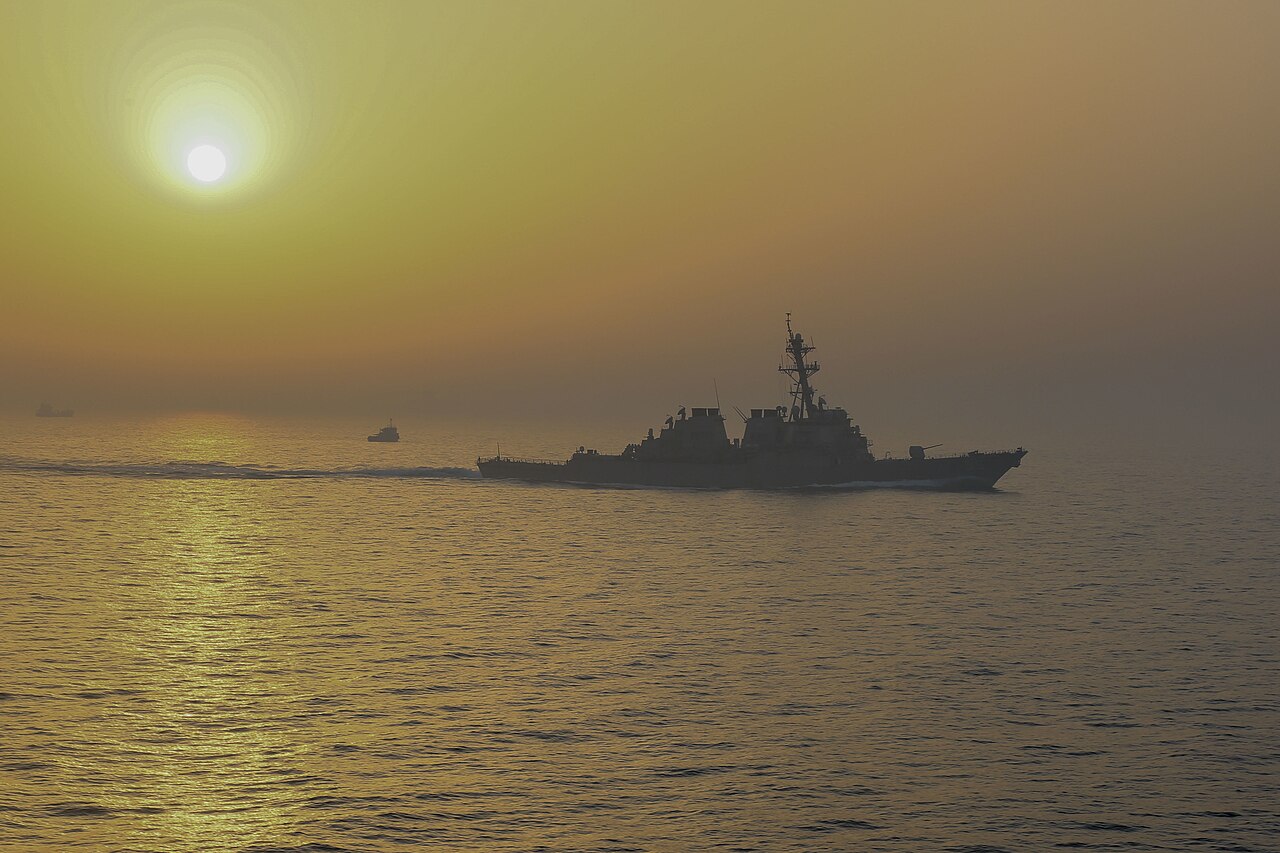
US Central Command chief Admiral Brad Cooper has said US forces cleared the strait’s primary international shipping routes of Iranian sea mines and continued patrols to protect commercial traffic, according to Gulf News live coverage. That statement does not by itself resolve the conflicting tanker claims.
Why the strait matters
The Strait of Hormuz, between Iran and Oman, is the narrow passage through which a large share of the world’s seaborne oil passes. Any sustained disruption, or even the threat of it, can affect oil prices, shipping insurance and delivery schedules far beyond the Gulf, which is why incidents there draw attention in the United States, the United Kingdom, Canada and Australia as well as in the region.
Readers should also note that this article is distinct from an earlier Emadan report of a vessel seen on fire near Oman on October 29: that report concerned a vessel sighted about 9 nautical miles north of Khasab whose cause was unconfirmed, a different reported incident from the Louise 1 limpet-mine account described here.
What is still unknown
Several key questions remain open: the names of the two tankers in the Revolutionary Guards statement, the nature of the incidents that stopped them, who attached the limpet mines to the Louise 1, and whether the Louise 1 is connected to the Guards’ statement at all. Until those details are confirmed by UKMTO, the vessels’ owners or another independent source, they should be treated as unknown.
Related coverage: Vessel Reported on Fire in Strait of Hormuz Near Oman, Supertanker Mine Blast in Hormuz Sparks Oil Fears, Strait of Hormuz News: Iran Declares Closure as Tankers Hit
Sources
Reuters via The Jerusalem Post, “Iran says two oil tankers stopped south of Hormuz after incident”, October 30, 2026: https://www.jpost.com/middle-east/iran-news/article-913342 — Reuters via Arab News, “Iran Guards say two tankers halted after ‘incidents’ in Hormuz”, October 30, 2026: https://www.arabnews.com/middle-east/iran-guards-say-two-tankers-halted-after-incidents-in-hormuz-3008990 — Reuters via Ynet, “Tanker hit by explosives in Strait of Hormuz as Iran claims two vessels disabled”, October 30, 2026: https://www.ynetnews.com/article/rkfmkgg6gg
Frequently asked questions
Did the Revolutionary Guards name the two tankers? No. The statement did not identify either vessel or explain the incidents that stopped them.
Is the Louise 1 one of those two tankers? That has not been established. Reuters reported the Louise 1 limpet-mine incident separately and said it was not clear whether it was one of the two tankers in the Guards’ statement.
What is a limpet mine? A limpet mine is an explosive device designed to be attached magnetically to a ship’s hull below or near the waterline.
Was anyone hurt? UKMTO said the crew of the vessel in its advisory was safe and there was no environmental impact. No casualties have been reported in connection with the two tankers in the Guards’ statement.