Asian stock markets closed sharply lower on Friday, 30 October, as worries about the returns on massive artificial intelligence spending deepened after disappointing results from some of America’s biggest technology companies.
South Korea’s benchmark Kospi led the regional declines, closing 3.48% lower at 5,730.74, according to Yonhap News Agency and the Korea Exchange. Japan’s Nikkei 225 ended 2.12% lower at about 63,290. Taiwan shares also fell sharply. The falls capped a turbulent week for technology shares and a difficult month for Asian equities.
Seoul leads the sell-off
The Kospi opened 2.99% lower at 5,760.35 and extended its losses during the session, falling as low as 5,599.42 before recovering some ground into the close. It finished down 206.92 points on the day.
The slide triggered a rare market safeguard in Seoul. Shortly after 10 a.m. local time, the Korea Exchange activated a sell-side sidecar — a five-minute suspension of programme sell orders — after Kospi 200 futures fell 5.12%. It was the first such intervention in 11 trading sessions, since the Kospi’s sharp fall on 15 October.
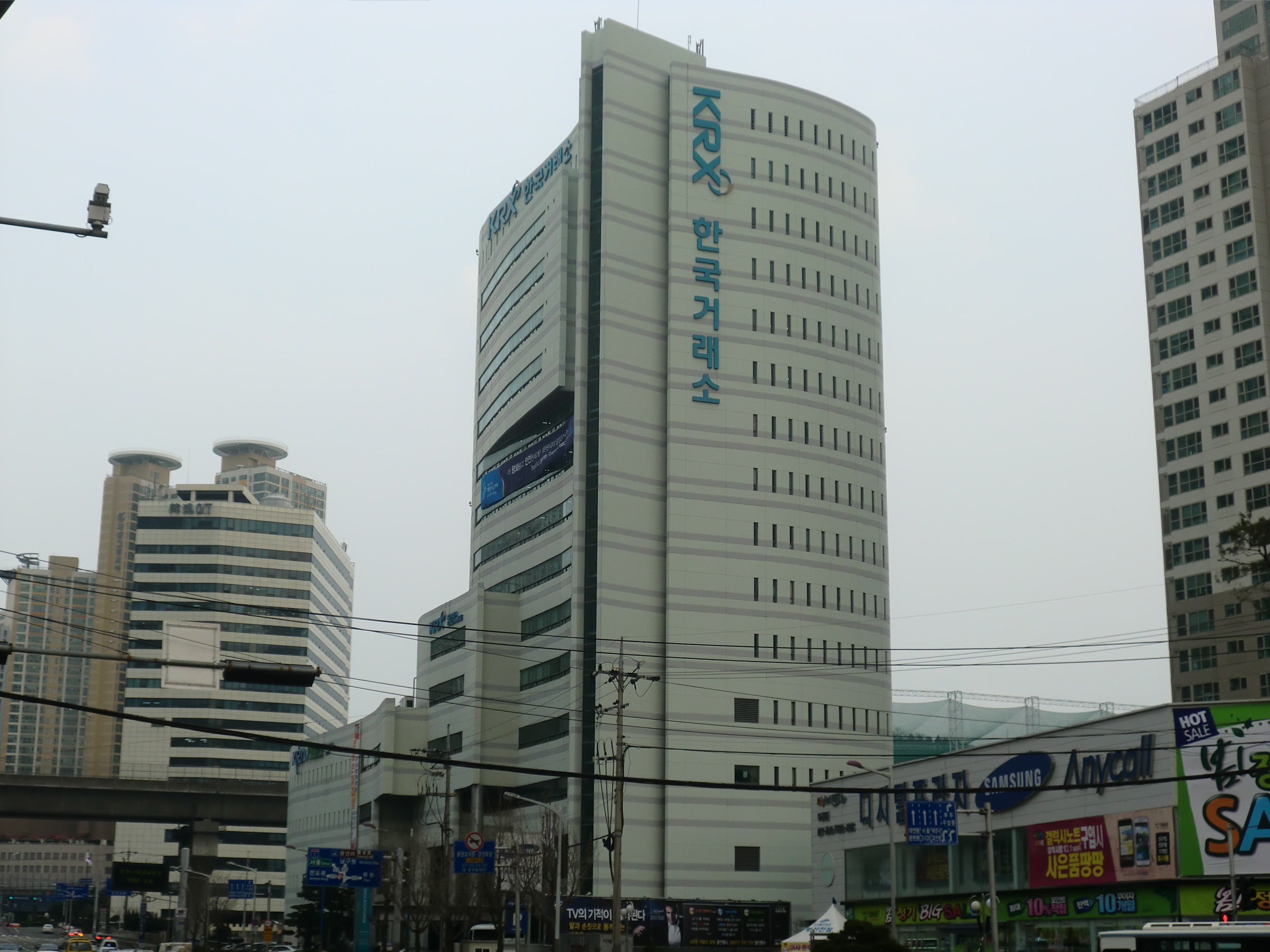
Chipmakers bore the brunt of the selling. Samsung Electronics fell 3.02% to 225,000 won, while SK Hynix plunged 7.08% to 1,418,000 won. The tech-heavy Kosdaq index dropped 3.83% to 724.38. Foreign investors were net sellers of more than 1.6 trillion won on the main board, while decliners far outnumbered advancers, 655 to 232.
Reuters reported that the Kospi’s fall took its total decline in October to nearly 16%, while the Nikkei was on course for a fall of about 5% for the month.
What triggered the rout
The immediate trigger came from Wall Street. Shares in Google parent Alphabet fell 12.6% on Thursday, wiping about $500 billion from its market value, after its third-quarter results showed heavy AI spending pushing its free cash flow into negative territory.
After the US close, Amazon fell about 7% in extended trading and Intel plunged about 23% after issuing a much weaker outlook for the final quarter of the year. The Nasdaq Composite had already fallen 1.38% in Thursday’s regular session, while the S&P 500 slipped 0.30%.
Investors are asking a blunt question: whether the enormous sums being poured into AI infrastructure, chips and data centres will turn into profits quickly enough to justify current valuations. On Friday, that doubt hit the Asian companies that supply the chips and memory for the AI build-out hardest — which is why Seoul and Tokyo fell further than broader regional benchmarks.
Bank of Japan holds rates, plans faster ETF sales
The Bank of Japan concluded its two-day policy meeting on Friday by leaving its key short-term interest rate unchanged at 1.25%, a decision markets had widely expected. Board member Hajime Takata dissented from the hold.
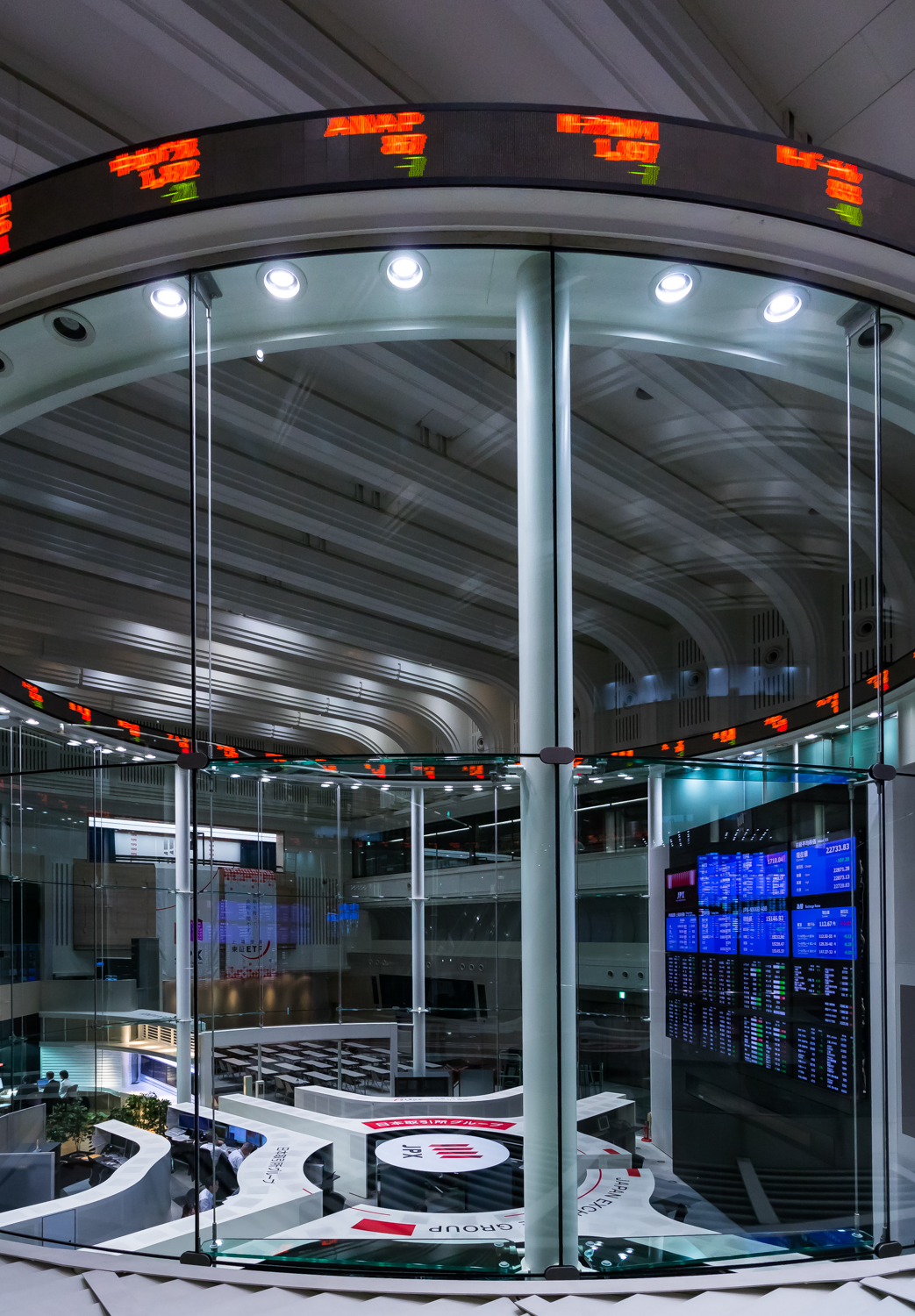
The decision itself did not trigger major currency or bond moves. But Reuters reported that Nikkei futures slipped after the central bank unveiled plans to sharply accelerate sales of its exchange-traded fund holdings next year — a further step in unwinding the extraordinary support it built up over years of ultra-loose policy.
The Korean won firmed to 1,334.3 per US dollar in daytime trading, even as equities fell, while US Treasury yields dropped in Tokyo trade as investors moved toward safer assets.
Why this session matters
Friday’s close is distinct from the morning’s trading, when Asian markets had already opened sharply lower on the same US earnings news. By the close, the picture was one of a broad, chip-led sell-off rather than a brief opening dip: Seoul’s trading curb, the scale of foreign selling and the month-to-date losses all point to a market reassessing — not just reacting to — the AI trade.
That reassessment now passes to Europe and then to Wall Street, where Nasdaq futures had already pointed lower. Whether the sell-off deepens or stabilises will depend less on Friday’s Asian closes themselves than on whether the next set of US technology results can convince investors that AI spending is already paying off.
What is still uncertain
Not every market moved in the same direction, and Friday’s figures do not by themselves show a lasting change in trend. Asian markets have bounced back from sharp AI-related sell-offs before, and the Bank of Japan’s ETF-sales plan is a gradual programme, not an immediate withdrawal of support.
What is clear is that the market’s patience with AI spending is being tested. Alphabet’s cash-flow swing, Amazon’s spending surge and Intel’s weak outlook all arrived in the same week — and on Friday, Asian investors voted with their sell orders.
Frequently asked questions
Why did Asian markets fall on 30 October?
Technology shares fell after Alphabet dropped 12.6% on Wall Street and Amazon and Intel fell sharply after hours, raising doubts about whether huge AI investments will deliver returns quickly enough. Chip-heavy markets in South Korea and Japan fell the most.
What is a sell-side sidecar?
It is a temporary curb used by the Korea Exchange. When Kospi 200 futures fall by 5% or more for at least a minute, programme sell orders are suspended for five minutes to slow a disorderly slide. Friday’s was the first in 11 trading sessions.
What did the Bank of Japan decide?
It left its key rate unchanged at 1.25% on 30 October, as expected, with one board member dissenting. It also signalled plans to sharply accelerate sales of its ETF holdings next year.
What should investors watch next?
The European close, the US open and the next major US technology results — for any sign that AI spending is converting into profits, or that the reassessment has further to run.
SOURCES:
- Yonhap News Agency, “(2nd LD) Seoul shares dip over 3 pct on tech sell-off amid AI concerns”, 30 October 2026: https://en.yna.co.kr/view/AEN20261030008652320?section=economy-finance/economy
- Reuters, “Stocks slump, bonds leap as AI giants’ spending spooks investors”, 30 October 2026 (via KELO-FM): https://kelofm.com/2026/10/29/stocks-slump-bonds-leap-as-ai-giants-spending-spooks-investors/
- The Korea Times, “KOSPI falls 3.48% as US tech earnings fuel AI investment concerns”, 30 October 2026: https://www.koreatimes.co.kr/economy/others/20261030/kospi-falls-348-as-us-tech-earnings-fuel-ai-investment-concerns
- TradingView / Benzinga, “SK Hynix, Samsung Tumble in South Korea as Wall Street’s AI Sell-Off Rattles Asian Markets”, 30 October 2026: https://www.tradingview.com/news/benzinga:380a17b9b094b:0-sk-hynix-samsung-tumble-in-south-korea-as-wall-street-s-ai-sell-off-rattles-asian-markets-kospi-triggers-rare-sell-side-trading-halt/