American consumers have paid more than anyone else in the world for the fuel price surge triggered by the war on Iran, according to a new study — an average of $471 extra per person since the conflict began on February 28, 2026.
The global average over the same period was about $60, the study by the Finland-based Centre for Research on Energy and Clean Air (CREA) found. The gap, the researchers say, reflects how Americans travel: less fuel-efficient private vehicles, longer driving distances, and a slower shift to electric cars than in many other countries.
A $468 billion global bill
Across the 169 countries covered, consumers paid an additional $468 billion for fuel between the beginning of March and mid-October, the study estimated. The United States alone accounted for $160 billion of that total, followed by China at $54 billion and Canada at $17 billion.
To reach the figures, CREA compared fuel prices in January and February 2026 with prices during the rest of the year, and combined them with fuel consumption data. The study attributes the price jump to supply disruptions from the war, including the virtual shutting and then blockade of the Strait of Hormuz, the narrow waterway through which a large share of the world’s traded oil passes.
Consumers in Canada, Australia, New Zealand and Belgium also paid “a lot more” than the global average, according to the study, though the United States stands out by a wide margin.
Why Americans paid the most
The study’s explanation is structural rather than political. US households drive more, in larger and less efficient vehicles, and over longer distances than consumers in most of the countries studied. The slower uptake of electric vehicles means fewer Americans could avoid petrol and diesel price rises altogether.
That context matters for the headline figure: $471 is an average across US consumers, estimated from national prices and consumption, not a bill any individual household received. Actual costs vary sharply by state, vehicle and driving habits.
Prices at the pump
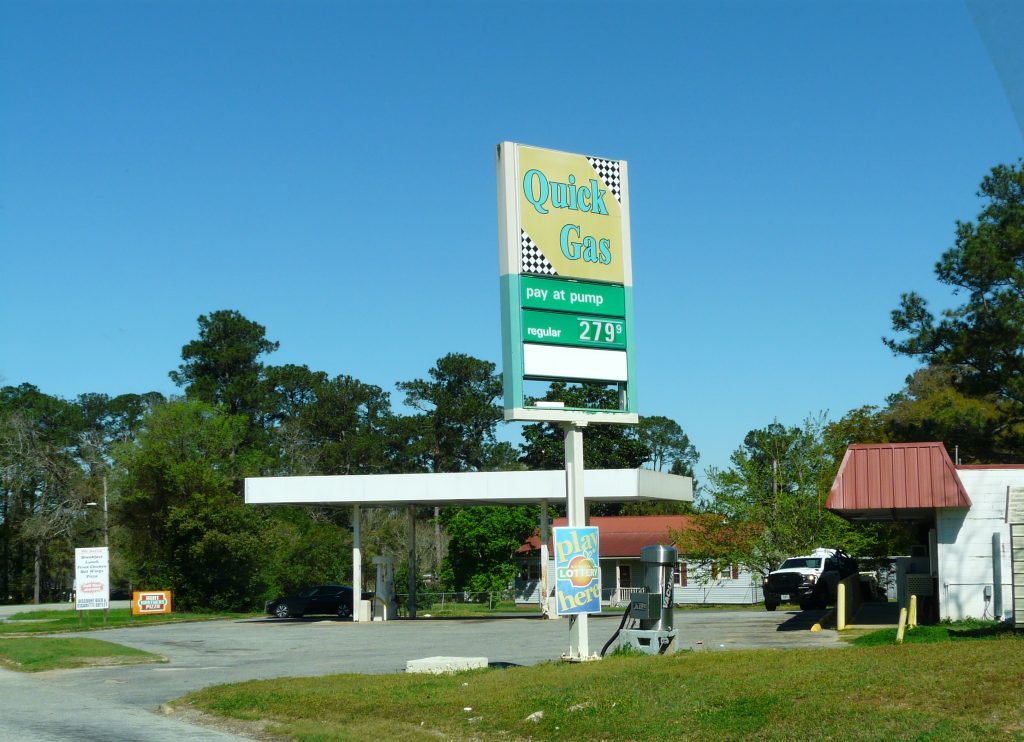
Separate pump-price data underlines the scale of the rise. US gasoline averaged about $4.29 a gallon on Monday, October 26, compared with $3.05 a year earlier, according to AAA data cited by OilPrice — a rise of roughly 43% since the conflict began. Diesel averaged about $6.35 a gallon after reaching an all-time high of $6.53 in September.
The administration’s response
The Trump administration has said higher fuel prices are a small cost for consumers to pay to stop Iran from obtaining nuclear weapons, and that oil and fuel prices will fall when the war ends, Reuters reported. The war has, however, lasted longer than the administration predicted.
What to watch next
The study’s window ends in mid-October, so it does not capture any price moves since then. Whether the US premium narrows will depend on how long the Strait of Hormuz disruption lasts, how fuel markets respond to any diplomatic easing, and whether pump prices retreat from their current levels.
One caveat readers should keep in mind: CREA is a nonprofit that, as Reuters notes, supports efforts to move away from fossil fuels. Its estimate is a modelled calculation from prices and consumption, and other analysts using different baselines could reach different totals. The direction of its finding, though — that Americans bore the largest share of the war’s fuel costs — is consistent with the pump-price data.
FAQ
How much more have US consumers paid for fuel since the Iran war began? An average of $471 per person, according to the CREA study — compared with about $60 globally.
How was the figure calculated? CREA compared fuel prices in January and February 2026 with prices for the rest of the year, across 169 countries from March to mid-October.
Which other countries paid a lot more? Canada, Australia, New Zealand and Belgium, according to the study.
Sources
- Reuters, “US consumers paying the most for fuel price spikes from Iran war, study says”, 26 Oct 2026: https://www.reuters.com/business/energy/us-consumers-paying-most-fuel-price-spikes-iran-war-study-says-2026-10-26/
- OilPrice, “Iran War Pushes Trump’s Average Gasoline Prices Above Biden’s” (AAA pump-price data): https://oilprice.com/Energy/Crude-Oil/Iran-War-Pushes-Trumps-Average-Gasoline-Prices-Above-Bidens.html