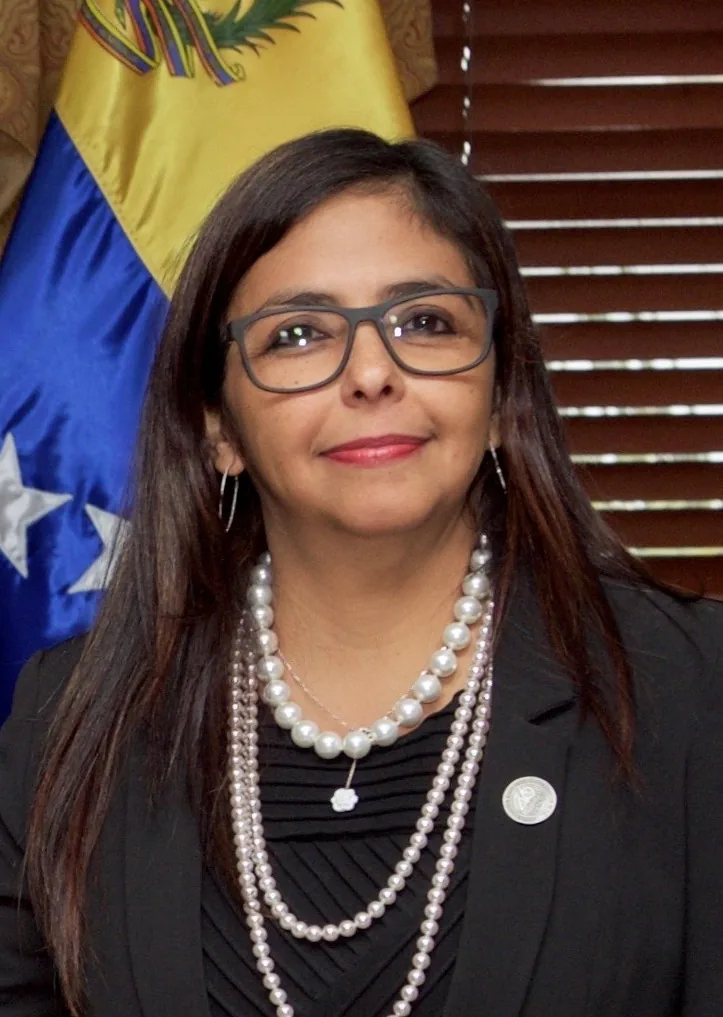
Quick Answer: Venezuela expects nearly $76 billion in oil investment over the next five years, acting President Delcy Rodriguez announced on October 17. Speaking on national television, she said 61 recently signed agreements — including a bilateral deal with the United States covering 17 oil fields and 250 drilling rigs — will help revive the country’s struggling energy sector.
Rodriguez described the investment package as a turning point for Venezuela’s oil industry, which holds the world’s largest proven crude reserves but has seen production collapse after years of underinvestment, operational troubles at state oil company PDVSA, and United States sanctions. The Trump Venezuela oil partnership sits at the center of the plan, with Washington backing Caracas’s effort to reopen the sector to foreign capital.
Key Takeaways
- $76 billion in projected oil investment over five years, announced October 17, 2026.
- A bilateral accord with the United States covers 17 oil fields and plans to drill 250 rigs, within a package of 61 agreements.
- Rodriguez called it a “win-win partnership” bringing direct benefits to Venezuela and its partners.
- Output in Zulia state reportedly rose from 70,000 to 370,000 barrels per day, with 400,000 targeted by year-end.
- Investor names and funding breakdowns have not been disclosed; the $76 billion figure is a government projection.
What Rodriguez announced
In a televised address on Saturday, Rodriguez — who served as vice president of Venezuela before becoming acting president after the January ouster of President Nicolas Maduro — said the agreements were struck as part of Venezuela’s effort to reopen its energy sector to foreign capital, a transition carried out with the backing of the Trump administration.
“Major investments are coming,” she said. “We are talking about investment of almost $76 billion over five years. Those investments will translate into direct benefits for our country in a win-win partnership, because our partner will also benefit.”
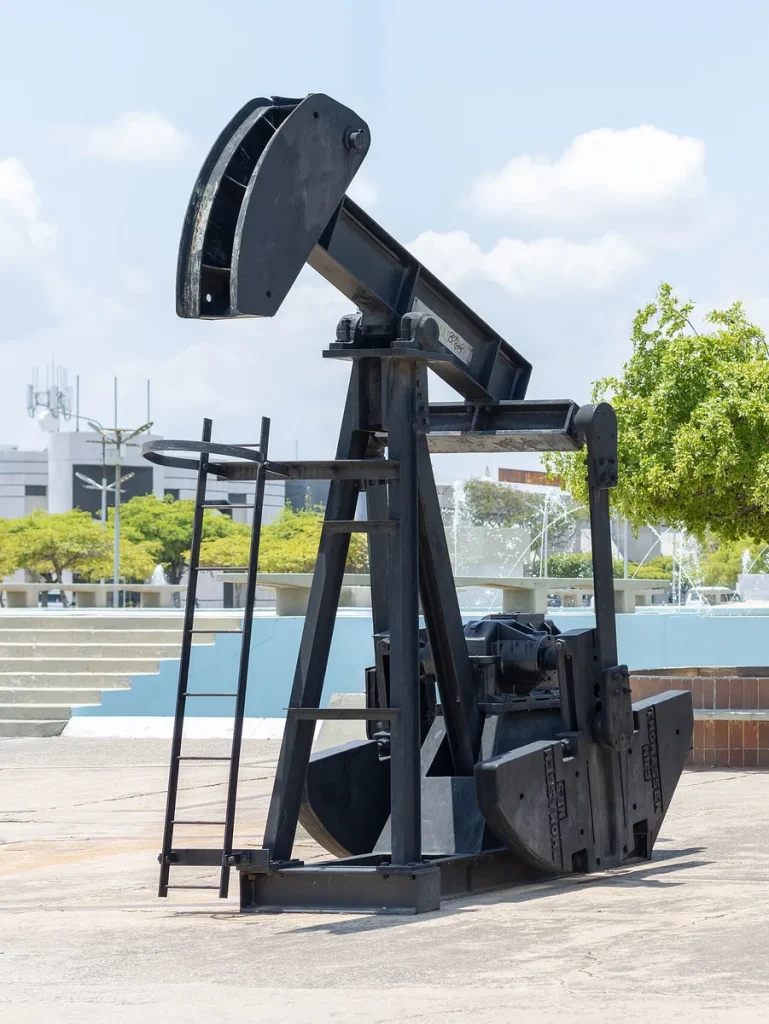
The centerpiece is the bilateral Trump Venezuela oil agreement, which covers 17 oil fields and is designed to deploy 250 drilling rigs. Rodriguez said the 61 agreements span production, infrastructure, and services, and reported that 44 more agreements are under negotiation, according to reports from the conference where she spoke in Maracaibo.
Why Venezuela’s oil industry needs the cash
So does Venezuela have oil reserves to justify that bet? Yes — the country sits on the world’s largest proven crude reserves, but output has fallen far below the levels of a decade ago. Reuters notes the decline stems from years of underinvestment, operational problems at PDVSA, and US sanctions on the energy sector.
As evidence of a turnaround, Rodriguez pointed to western Zulia state, where she said production climbed from 70,000 barrels per day to 370,000 barrels per day and could reach 400,000 by the end of the year. She did not specify the period over which that increase occurred.
She also said the projects are expected to create 324,000 direct, indirect and related jobs over ten years, and highlighted a new Hydrocarbons Law providing for mixed companies, production participation contracts, flexible taxes and royalties, and an arbitration mechanism for investment disputes.
What this means for oil markets
A revival of Venezuela crude output would add meaningful supply to global markets at a moment of heightened energy tensions — including disruption fears around the Strait of Hormuz, through which roughly a fifth of the world’s oil consumption flowed before the region’s conflict. Any sustained production increase could ease pressure on prices, though analysts note that announced investment totals in Venezuela have historically taken years to materialize.
The announcement follows an earlier framework unveiled in late August: a reported 25-year US-Venezuela oil agreement targeting output above 1.5 million barrels per day, with Venezuelan officials projecting about $209 billion in state revenue over the deal’s life at a $65-per-barrel benchmark. The October package appears to build on that framework with concrete investment pledges, though Caracas has not clarified how the two figures relate.
What remains uncertain
- Who is investing? Rodriguez did not name the companies or countries behind the $76 billion figure, and no breakdown of public versus private funding was provided.
- Committed or projected? The $76 billion is a government estimate of expected investment, not a confirmed disbursement total.
- Timeline risks: Reviving Venezuelan production requires rebuilding infrastructure damaged by years of neglect; similar pledges in the past have been slow to convert into barrels.
For now, the announcement marks the most ambitious investment pledge since Venezuela began reopening its energy sector this year — and a test of whether foreign capital will return at the scale Caracas claims.
Related: oil supply disruptions around the Strait of Hormuz have kept energy markets on edge in recent weeks.
Frequently asked questions
How much is Venezuela planning to invest in its oil industry?
Acting President Delcy Rodriguez said on October 17 that Venezuela expects nearly $76 billion in oil investment over the next five years under recently signed agreements with foreign partners, including the United States.
What does the US-Venezuela oil deal include?
The bilateral accord between Venezuela and the United States covers 17 oil fields and plans to deploy 250 drilling rigs. It forms part of a broader package of 61 agreements signed between the two countries.
Who is Delcy Rodriguez?
Delcy Rodriguez is Venezuela’s acting president. She took on the role after the ouster of President Nicolas Maduro in January 2026 and has led the government’s push to reopen the country’s energy sector to foreign investment.
How much oil does Venezuela have, and why is production so low?
Venezuela holds the world’s largest proven crude oil reserves, but production has fallen far below decade-ago levels due to years of underinvestment, operational problems at the state oil company PDVSA, and United States sanctions on the energy sector, according to Reuters.
Could Venezuelan oil affect global prices?
Potentially. A meaningful production revival would add supply to tight global markets, which could ease price pressure. However, analysts caution that Venezuela’s investment pledges have historically taken years to turn into actual barrels, and the current figure is a government projection rather than confirmed spending.
Sources: Reuters (October 17, 2026); The Straits Times; reports from the Maracaibo energy conference. Claims about investment totals, job creation and production figures are attributed to Venezuelan government statements; investor identities and funding breakdowns have not been independently confirmed.